
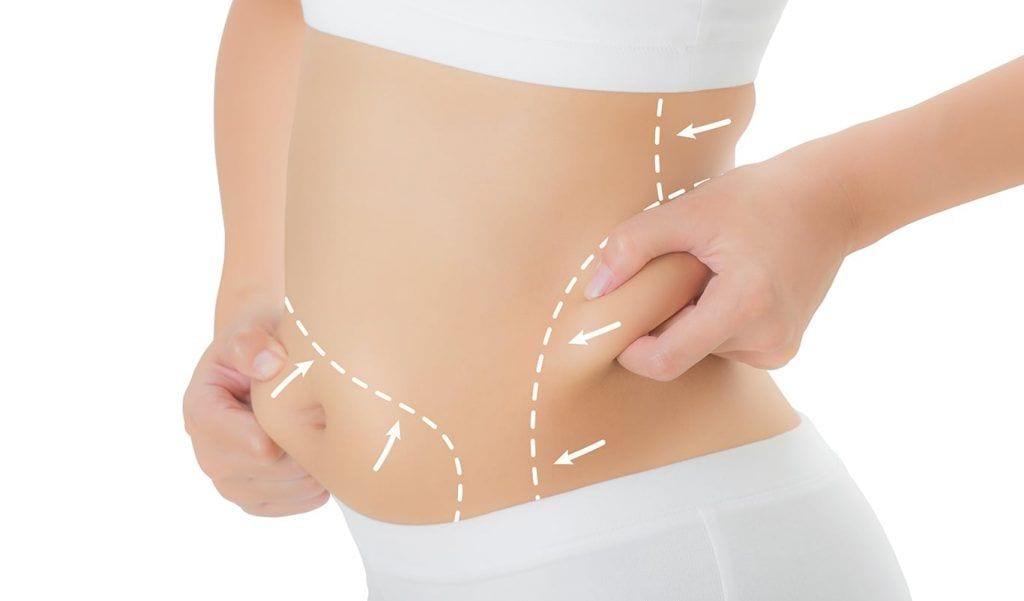
Many people exploring body-shaping options often compare non-invasive treatments to surgical procedures like liposuction. 360 Liposuction in Riyadh stands out for its ability to sculpt the entire midsection, but non-surgical body contouring methods have also gained popularity for offering fat reduction with little to no downtime. Understanding how these two approaches differ helps patients choose the best solution for their goals, lifestyle, and expectations.
1: Understanding 360 Liposuction:
360 Lipo is a surgical procedure that removes fat from the abdomen, waist, flanks, and lower back in a single session. This circumferential approach allows for dramatic reshaping and contouring. Because fat cells are physically removed, the results are permanent as long as weight remains stable. The procedure requires anesthesia and downtime, but it offers highly customizable sculpting. This makes it suitable for patients seeking significant improvement and precise definition unavailable through non-surgical methods.
2: What Non-Surgical Body Contouring Offers:
Non-surgical body contouring techniques include treatments such as cryolipolysis, radiofrequency, ultrasound fat reduction, and laser-based technologies. These methods target fat cells without incisions or anesthesia, making them appealing for people who prefer a gentler approach. Non-surgical treatments gradually reduce fat over multiple sessions and are ideal for those with small, localized fat pockets. They offer convenience but do not provide the same level of sculpting precision as surgical liposuction.
3: Differences in Fat Removal Mechanisms:
The primary difference lies in how fat is eliminated from the body. 360 Lipo physically removes fat cells through suction, creating immediate volume reduction. Non-surgical treatments rely on controlled energy to damage fat cells, which the body gradually flushes out over weeks or months. This slower process can be effective, but the degree of reduction is generally more modest. Understanding these mechanisms helps patients set realistic expectations about the speed and magnitude of results.
4: Expected Results and Definition:
360 Lipo offers more dramatic and visible contouring, especially for patients seeking enhanced waist definition, reduced love handles, and reshaped lower back areas. Non-surgical contouring produces subtle changes and does not significantly sculpt or restructure body proportions. While both methods reduce fat, only surgical liposuction provides the artistic shaping needed for noticeable body transformation. Patients seeking extensive definition often choose surgery for this reason.
5: Treatment Areas and Versatility:
360 Lipo treats multiple areas simultaneously, allowing surgeons to sculpt the entire torso as one unit. This ensures balanced proportions and smooth transitions between treated regions. Non-surgical treatments usually target smaller, isolated zones and may not provide comprehensive midsection reshaping. Additionally, certain body shapes or larger fat volumes respond better to surgical options. The versatility of 360 Lipo makes it a more effective choice for full-body contouring.
6: Recovery Time and Downtime:
Recovery is another key difference between the two approaches. 360 Lipo requires downtime for healing, typically involving swelling, bruising, and compression garment use for several weeks. Non-surgical procedures involve minimal downtime, allowing patients to resume normal activities immediately. For individuals with busy schedules, this convenience may be appealing. However, the trade-off is that non-surgical results appear slowly and may require multiple sessions to achieve visible improvement.
7: Safety Considerations:
Both surgical and non-surgical options have safety protocols, but the nature of risks differs. Surgical liposuction involves anesthesia, incisions, and a longer healing period, which carries inherent surgical risks. However, when performed by a qualified surgeon, it is considered safe and predictable. Non-surgical treatments avoid anesthesia and incisions, but they may cause temporary redness, swelling, numbness, or uneven fat reduction. The key is choosing reputable providers with proper qualifications for either method.
8: Suitability for Different Patient Types:
360 Lipo is best for individuals who want significant fat reduction, precise contouring, and long-lasting results. It is ideal for those who have stubborn fat resistant to diet and exercise and are comfortable with surgical recovery. Non-surgical contouring suits people with minor fat deposits or those who prefer gradual change with no downtime. It is also a good option for patients who may not be candidates for surgery due to health concerns. Selecting the right approach depends on personal goals and physical condition.
9: Longevity and Maintenance of Results:
Results from 360 Lipo can last for many years with a stable lifestyle since fat cells removed surgically do not return. Long-term success depends on maintaining healthy habits and avoiding significant weight gain. Non-surgical contouring results also last, but because the fat reduction is less extensive, changes may not be as noticeable over time. Some treatments require maintenance sessions to preserve the results. Understanding the commitment to upkeep may influence a patient’s decision.
10: Cost Differences and Overall Value:
While 360 Lipo typically involves higher upfront costs due to the surgical setting, anesthesia, and expertise required, it delivers dramatic and lasting results in one session. Non-surgical options may seem more affordable initially, but achieving noticeable results often requires multiple treatments. Over time, the cumulative cost can be significant. Patients should consider long-term value, desired outcomes, and personal priorities when comparing costs.
Final Thoughts:
360 Liposuction in Riyadh provides powerful, transformative sculpting that non-surgical methods cannot match, making it ideal for patients seeking significant reshaping of the abdomen, waist, and back. Non-surgical body contouring, however, offers a convenient, minimally invasive alternative for those with milder concerns or a preference for gradual change. Understanding the strengths and limitations of each approach allows individuals to choose the most suitable option for their goals, whether they seek dramatic surgical contouring or subtle, non-invasive fat reduction. Both paths can support a more confident, refined appearance when aligned with proper expectations and lifestyle habits.
 English
Join our community to interact with posts!