
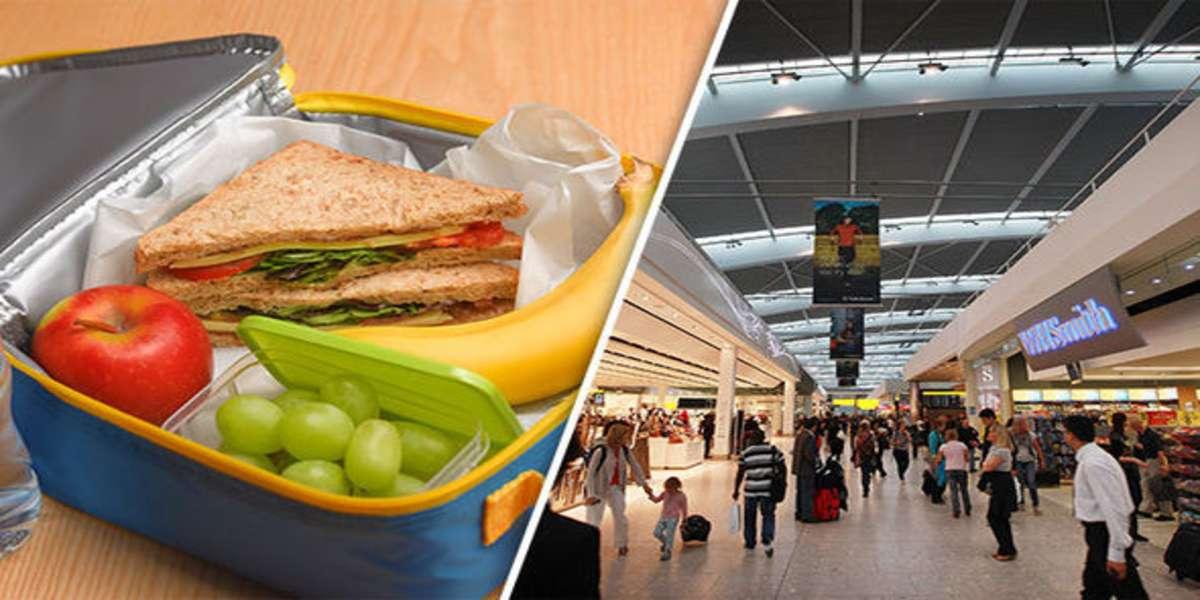
Travelers often pack snacks or homemade meals to make their journey more comfortable. However, many people become confused or worried at airport security—especially when TSA officers start checking bags full of food containers, fruits, and sandwiches. The question appears again and again: can passengers bring food through TSA checkpoints without trouble?
This detailed guide explains TSA rules in a simple way so you understand exactly what you can take, what you cannot, and how to pack everything properly. Whether you prefer homemade meals, fast food, or healthy snacks, this blog will help you pass security with confidence.
Why Do Travelers Carry Food?
Bringing your own food is becoming more common because:
-
Airport meals are expensive
-
Certain people have dietary restrictions
-
Parents may need snacks for children
-
Many travelers prefer fresh, homemade items
-
Long flights demand healthier options
Since airlines often reduce meal services, passengers naturally want to know what’s allowed when packing their food.
TSA’s General Rule for Food
The Transportation Security Administration (TSA) makes one thing very clear: solid food is allowed through airport security. You may carry food in your handbag, cabin bag, or personal item.
Examples of solid foods that are allowed include:
-
Sandwiches
-
Dry pastries
-
Fresh fruits
-
Dry snacks
-
Hard cheese
-
Homemade rotis, tortillas, bread
-
Chips, nuts, and crackers
These items do not fall under the liquids rule and are easily scanned.
The Confusion: Solid Food vs. Liquid Food
Most problems at checkpoints happen because travelers bring foods that fall into the “liquid/gel” category without realizing it. TSA uses the 3-1-1 rule for liquids, gels, aerosols, creams, and pastes. These must be:
-
In containers of 3.4 ounces (100 ml)
-
All placed inside one clear quart-size bag
-
One bag per traveler
Foods considered liquids or semi-liquids include:
-
Peanut butter
-
Yogurt
-
Creamy dips
-
Soups
-
Sauces
-
Salad dressing
-
Jams and jellies
-
Wet curries with gravy
If any of these exceed the allowed limit, TSA will ask you to discard them or check them into luggage.
Can You Take Homemade Food Through TSA?
Travelers commonly ask: can you take homemade food through airport security?
Yes. TSA fully allows homemade foods as long as they are not liquid-heavy. Items like parathas, sandwiches, rice dishes without gravy, idlis, muffins, pasta without sauce, or homemade wraps pass through security without any issues.
To avoid unnecessary checks, use transparent, sealed containers and separate anything that qualifies as a liquid.
For complete guidelines, you can refer to this anchor link:
can you take homemade food through airport security
Bringing Food on International Flights
Domestic TSA rules are easier to understand. The challenge begins when you land in another country. Every nation has unique agricultural and safety laws. Many countries have restrictions on:
-
Fresh fruits
-
Vegetables
-
Dairy
-
Meat
-
Seeds
-
Homemade dishes
Countries like Australia, New Zealand, Singapore, the U.S., and the U.K. have very strict rules about bringing organic items.
Travelers often ask: can you take homemade food through airport security international?
You may take it through the airport security of your departure country, but that does not guarantee that you can enter another country with the same food.
Fresh food items usually must be declared at customs. If not declared, penalties or fines may apply.
For safety, it’s best to eat your fresh or homemade items on the flight and not carry them through international arrival checkpoints.
Are You Allowed to Carry Fruit Through TSA?
Fresh fruit is allowed on domestic U.S. flights. However, travelers often ask: can you take fruit through airport security?
Yes, you can bring solid fruit like apples, oranges, bananas, grapes, or berries. These are fully permitted in carry-on baggage.
Exceptions exist for:
-
Hawaii
-
Puerto Rico
-
U.S. Virgin Islands
-
International arrivals
These locations have strict rules to protect local agriculture. Once again, declaration is required for many items.
How to Pack Food Safely for Airport Security
Packing your food correctly makes the screening process much faster. Follow these tips to avoid delays:
1. Use Clear Containers
Transparent boxes or zip-lock bags help TSA officers inspect quickly without opening everything.
2. Separate Liquids and Solids
Keep sauces, dips, and spreads in small containers within the quart-size liquids bag.
3. Avoid Messy Foods
Leak-proof packaging prevents spills inside your bag.
4. Keep Strong-Smelling Foods to a Minimum
This ensures a pleasant environment for nearby passengers.
5. Label Custom Items
If something looks unusual, labeling helps TSA understand what it contains.
6. Eat Perishables Quickly
Some foods spoil fast, especially on long flights.
What Happens If TSA Suspects Your Food?
If an item looks unclear during the X-ray scan, an officer may:
-
Physically inspect the container
-
Swab for explosive residue
-
Ask questions about ingredients
-
Request removal of prohibited liquids
This is routine and doesn’t mean your food is unsafe. With proper packing, checks usually last only a few seconds.
Can You Bring Fast Food Through Security?
Yes. Burgers, fries, pizza, wraps, and rolls are typically allowed. Just make sure the food doesn’t contain too much sauce, as it may fall under the liquids rule.
Fast food is scanned the same way as any other solid food.
Can You Carry Food Items in Checked Baggage?
Most food items are allowed in checked bags too. Liquids such as soups, gravies, curries, or sauces are easier to transport in checked luggage because the 3-1-1 limit does not apply there.
Pack carefully to avoid spills.
Final Takeaway
You can absolutely bring most solid foods through airport security when flying in the U.S. Problems occur mainly with liquid or semi-liquid foods due to the 3-1-1 rule. Homemade meals are permitted, fast food is allowed, and fresh fruit is accepted on domestic flights.
For additional clarity on TSA rules and to ensure smooth travel, visit:
can you take homemade food through airport security
 English
Join our community to interact with posts!