
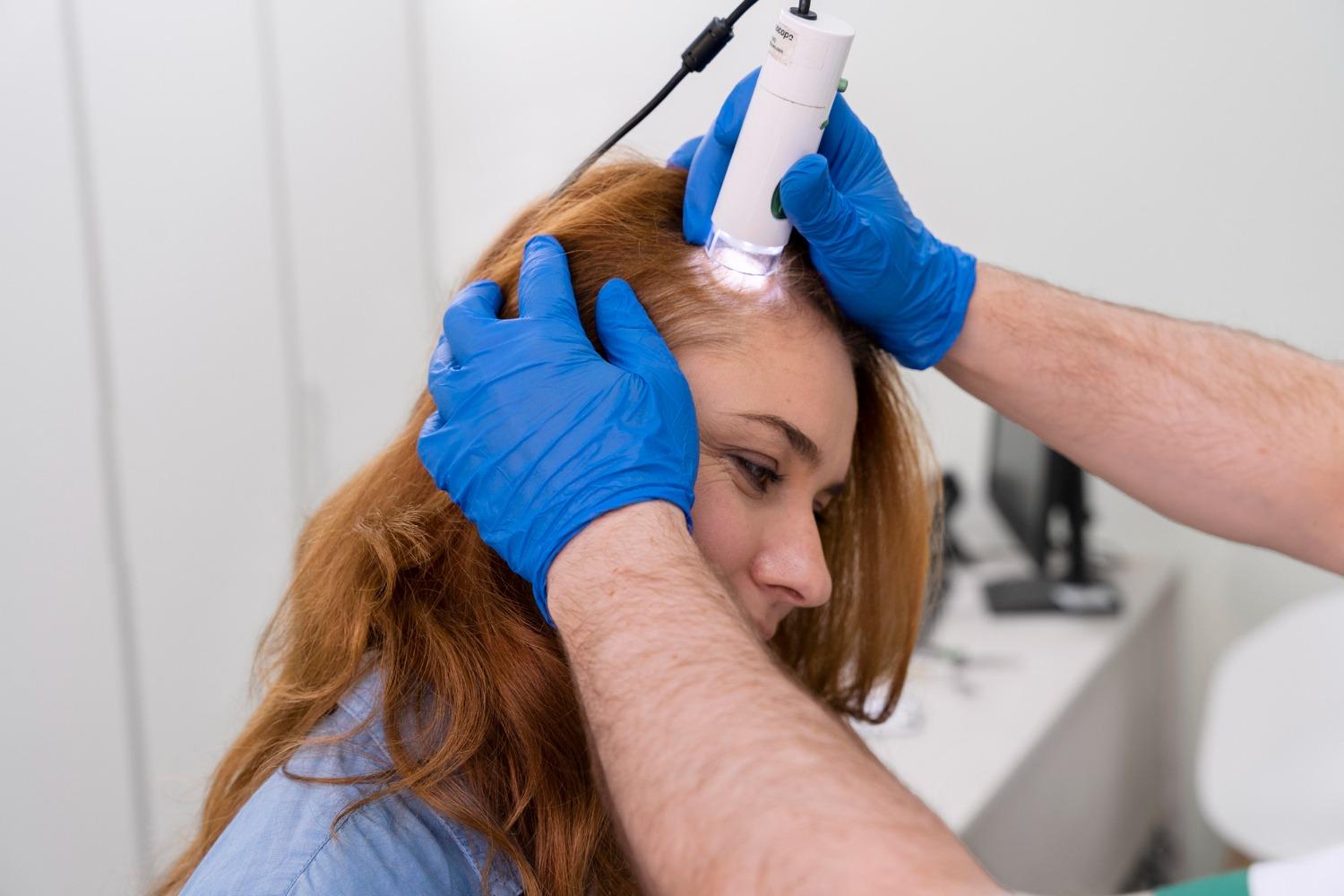
Hair thinning is a concern that affects millions of individuals globally, impacting confidence and overall well-being. Traditional treatments often focus on slowing hair loss rather than restoring lost hair. In recent years, regenerative medicine has introduced a breakthrough approach that targets the root cause of thinning hair. Among these innovations, exosomes hair treatment has gained attention for its ability to support follicle regeneration, improve scalp health, and potentially reverse hair thinning naturally.
What Are Exosomes:
Exosomes are microscopic extracellular vesicles released by cells that act as messengers, carrying proteins, growth factors, and genetic material to other cells. In hair restoration, they play a pivotal role in signaling damaged follicles to repair and reactivate their natural growth cycle.
-
Facilitate intercellular communication
-
Carry regenerative molecules directly to follicles
-
Cell-free, reducing the risk of immune rejection
-
Promote natural hair growth rather than temporary stimulation
How Hair Thinning Occurs:
Understanding hair thinning requires recognizing the role of follicular health and cellular signaling. Factors such as genetics, hormonal imbalance, stress, and aging can disrupt these signals, causing follicles to shrink and enter a resting phase.
-
Follicles become weaker and produce thinner hair
-
Growth cycles shorten, leading to excessive shedding
-
Inflammation and poor scalp circulation exacerbate thinning
-
Dormant follicles may stop producing hair entirely
How Exosome Therapy Works:
Exosome therapy targets the underlying causes of hair thinning by delivering regenerative signals directly to the follicles. These signals encourage cellular repair, activate dormant follicles, and enhance the scalp environment for optimal hair growth.
-
Stimulates follicle stem cells
-
Enhances blood flow and nutrient delivery
-
Reduces inflammation around hair follicles
-
Supports longer, thicker, and stronger hair strands
Procedure and Treatment Overview:
The treatment is minimally invasive and typically performed in a clinical setting. It is designed to ensure precise delivery of exosomes to affected areas, maximizing their regenerative potential.
-
Initial scalp evaluation and consultation
-
Preparation of purified exosome solution
-
Targeted application via injections or microneedling
-
No major downtime or recovery period
Benefits Over Traditional Hair Loss Treatments:
Unlike medications or topical solutions that mainly slow hair loss, exosome therapy focuses on regenerating follicles and improving scalp health for long-term results.
-
Non-hormonal and drug-free
-
Minimal discomfort and low risk
-
Suitable for both men and women
-
Can complement PRP or hair transplant procedures
Ideal Candidates:
Exosome therapy is most effective for individuals with early to moderate hair thinning, although it can also benefit those seeking to enhance results after other treatments.
-
Androgenetic alopecia (male or female pattern hair loss)
-
Stress-induced or lifestyle-related hair thinning
-
Weak, slow-growing hair
-
Patients undergoing post-transplant recovery
Safety and Clinical Evidence:
Clinical studies and regenerative medicine research suggest that exosome therapy is safe and well-tolerated, with a low risk of complications when performed by qualified professionals.
-
Biocompatible and non-immunogenic
-
No genetic modifications involved
-
Minimal side effects such as temporary redness
-
Supported by ongoing scientific research
Expected Results and Timeline:
Hair regrowth is a gradual process, with early improvements in scalp health followed by increased density and thickness over several months.
-
Reduced shedding in the first few weeks
-
Improved scalp texture and hydration
-
Gradual thickening and strengthening of hair strands
-
Noticeable results often seen within 3–6 months
Factors Affecting Treatment Success:
Individual outcomes may vary based on hair loss stage, overall health, and adherence to post-treatment care recommendations.
-
Age and general health
-
Extent of hair thinning
-
Treatment protocol and session frequency
-
Lifestyle factors such as diet and stress management
Final Thoughts
Exosome hair treatment represents a significant advancement in addressing hair thinning by focusing on regeneration at the cellular level. By repairing damaged follicles, improving scalp health, and reactivating dormant hair, this therapy offers a promising solution for individuals seeking long-lasting and natural hair restoration. As research continues, exosome therapy is poised to become a key player in the future of hair loss treatments, offering hope for thicker, healthier hair.
 English
Join our community to interact with posts!