
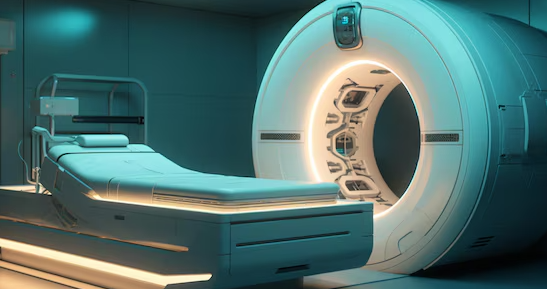
Preparing for your upcoming medical imaging appointment shouldn't cause unnecessary stress or confusion. Many people feel anxious about diagnostic scans without understanding proper preparation steps. This comprehensive guide will walk you through everything you need.
Understanding the Basics of Medical Imaging Scans
CT and MRI scans help doctors identify medical conditions with remarkable precision. Both technologies use different methods to capture detailed images of your body. Understanding these differences helps you prepare appropriately for your specific appointment.
A CT scan uses X-rays to create cross-sectional images quickly. MRI scans use powerful magnetic fields and radio waves instead. Neither procedure is painful, though some patients feel anxious during the process.
Key Differences Between CT and MRI Scanning Technology
CT scans take just minutes to complete your imaging process. MRI scans typically require twenty to sixty minutes for completion. Your radiologist will explain which scan suits your specific medical condition best.
CT scanners produce ionizing radiation in small amounts during imaging. MRI machines create strong magnetic fields that require different safety considerations. Understanding these differences affects how you should prepare accordingly.
Metal implants pose serious risks during MRI scan procedures specifically. CT scans tolerate most metal implants without causing any complications. Always inform your technician about any metal you may have.
Pre-Appointment Preparation: What You Should Know
Contact your imaging facility at least one day before your appointment. Ask specific questions about fasting requirements for your particular scan type. Different facilities may have slightly varying preparation instructions for patients.
Most CT scans don't require fasting beforehand unless using contrast dye. Some abdominal CT scans might require avoiding food for specific hours. Your appointment confirmation letter should clearly state any fasting requirements needed.
MRI scans rarely require fasting for standard brain or spine imaging. However, abdominal MRI scans sometimes need fasting periods before your appointment. Call ahead if you're uncertain about preparation requirements for your scan.
Important Information About Contrast Dye Usage
Contrast dye helps radiologists see certain body structures more clearly. Some scans use intravenous contrast injected through your arm during imaging. Inform your doctor about any allergies before your appointment date.
Ask your facility whether your scan requires contrast dye injection beforehand. Contrast allergies are uncommon but require alternative imaging methods if present. Your medical history should be disclosed before arriving at the facility.
Kidney function tests may be required before contrast administration procedures. People with kidney disease need special precautions when using contrast materials. Discuss your kidney health with your doctor before the appointment.
What to Wear to Your Imaging Appointment
Wear comfortable, loose-fitting clothing that's easy to remove if necessary. Metal zippers, snaps, and buttons can interfere with image quality sometimes. Cotton clothing works best since it contains minimal metal components.
Remove all jewelry, watches, and metal accessories before the scan. This precaution protects you and ensures clear images for accurate diagnosis. Leave valuables at home rather than removing them repeatedly.
Some facilities provide gowns for certain types of scans performed. Ask whether you'll need to change into hospital gowns before imaging. Comfortable undergarments without metal are perfectly acceptable for most scans.
Metal Safety: Critical Information for MRI Procedures
Metal objects cause serious safety hazards during MRI scan procedures specifically. Metallic items can heat up and cause burns during magnetic exposure. Tattoos with metallic ink might cause discomfort in rare cases.
Pacemakers and certain heart devices are absolutely contraindicated for MRI. Metal plates, screws, and surgical hardware may restrict your MRI access. Inform your technician about any surgeries or implants you've ever received.
Dental fillings and braces don't usually prevent MRI scanning safely. Modern dental materials are typically non-magnetic and pose minimal risks. However, inform staff about any dental work before your appointment.
Some industrial workers have metal fragments embedded in their eyes. This is the single most important safety consideration for MRI machines. Workers should discuss occupational metal exposure before MRI procedures begin.
Medications: What You Can Take Before Your Scan
Take your regular medications as scheduled unless instructed otherwise beforehand. Most medications are safe to take before CT scans without restrictions. Ask your doctor about specific medications that might affect imaging results.
Some medications might need temporary adjustment before MRI scanning procedures. Blood pressure medications and heart medications are generally safe to take. Diabetes medications rarely affect scan outcomes unless causing severe side effects.
Anxiety medications might help you stay calm during your procedure. Discuss anti-anxiety options with your doctor before arriving at facility. Some patients find meditation or breathing exercises helpful for managing appointment anxiety.
Arrival Time and What to Expect on Appointment Day
Arrive fifteen to twenty minutes early for registration and paperwork. Bring your insurance card and photo identification to your appointment. Expect staff to verify your medical history and contact information during arrival.
You'll be asked to fill out a safety questionnaire comprehensively. This form identifies any potential risks or contraindications for your imaging procedure. Answer all questions honestly to ensure your safety throughout the scan.
The technician will explain the procedure before your actual imaging begins. You can ask questions anytime during your pre-scan orientation process. Most facilities allow family members to wait in designated waiting areas nearby.
During Your Scan: What Happens Inside the Machine
CT scans feel very quick with minimal sensation during the procedure. You'll hear buzzing and clicking sounds throughout your imaging process. The table moves slowly through the scanner opening throughout the entire scan.
MRI scans involve repetitive loud banging and humming sounds continuously. Earplugs or headphones help reduce noise discomfort during your lengthy procedure. The machine won't touch you despite being confined in a narrow space.
Both scans require you to remain still throughout the imaging process. Movement causes blurry images that might require repeat scans. Breathing normally is fine unless specifically instructed otherwise by technicians.
A technician observes you from a separate control room during scanning. You can communicate with staff using provided call buttons if needed. Never hesitate to signal if you experience discomfort or anxiety symptoms.
Managing Anxiety During Your Medical Imaging Appointment
Claustrophobia is common among patients undergoing MRI scan procedures specifically. The machine creates an enclosed feeling that triggers anxiety in sensitive patients. Discuss anxiety management options with your doctor before your appointment arrives.
Some facilities offer open MRI machines for claustrophobic patients needing imaging. These open designs provide more space and reduce anxiety significantly. Ask about open MRI availability when scheduling your appointment with technicians.
Bring headphones to listen to music during your actual imaging procedure. Distraction techniques help time pass more quickly during lengthy scans. Focusing on breathing keeps your mind occupied during the procedure.
Post-Scan Instructions and Follow-Up Care
Most patients resume normal activities immediately after their imaging scan. You might feel slightly flushed if contrast dye was administered during scanning. Drink plenty of water throughout the day to flush contrast from your system.
Avoid heavy lifting or strenuous exercise for the remainder of the day. Most people experience no side effects from routine imaging procedures performed. Contact your facility if you experience allergic reactions after your scan.
Your radiologist will review images and prepare a detailed report afterward. Your doctor typically receives results within one to three business days. Schedule a follow-up appointment to discuss your scan results with your physician.
Choosing Your Imaging Facility for Best Results
Research imaging centers in your area before scheduling your appointment. Check online reviews and ask your doctor for facility recommendations available. Accredited facilities maintain higher standards for safety and image quality consistently.
Look for facilities offering diagnostic imaging Calgary services if you're located there. Experienced technicians produce higher quality images for accurate diagnoses by physicians. Comfortable environments help reduce patient anxiety during imaging procedures performed.
Ask about your imaging center's experience with your specific scan type. Board-certified radiologists should interpret all imaging studies at reputable facilities. Don't hesitate to ask about technician qualifications and experience levels beforehand.
Final Thoughts on Preparing for Your Imaging Appointment
Proper preparation ensures the smoothest possible imaging experience for you. Following these guidelines reduces anxiety and improves diagnostic image quality significantly. Your radiologist and technicians want to provide you excellent care throughout.
Remember that millions of people undergo CT and MRI scans. These procedures are safe, non-invasive, and provide crucial diagnostic information to physicians. Take comfort knowing you're taking an important step toward better health today.
 English
Join our community to interact with posts!