
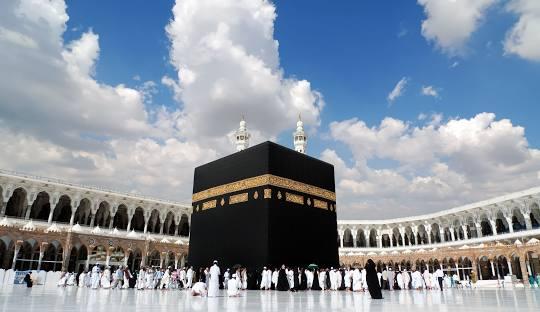
Ramadan and Umrah hold profound significance in the lives of Muslims worldwide. Ramadan, the holy month of fasting, reflection, and spiritual renewal, combined with the pilgrimage of Umrah, forms a deeply transformative experience. Both are more than religious obligations—they are a manifestation of Islamic cultural identity, linking personal devotion to communal traditions. Understanding how these two elements intersect provides crucial insights into designing an Umrah package that truly enhances spiritual, cultural, and practical experiences.
The Spiritual Essence of Ramadan
Ramadan is the ninth month of the Islamic lunar calendar, observed by millions through fasting from dawn to sunset. Beyond abstaining from food and drink, it is a time of heightened spiritual consciousness, self-discipline, and empathy toward the less fortunate. Fasting during Ramadan strengthens the soul, encourages reflection, and aligns Muslims with centuries-old traditions and rituals, such as nightly Tarawih prayers, Qur’an recitation, and Zakat (charitable giving).
Spiritual engagement during Ramadan reaches its peak when Muslims are immersed in sacred sites, particularly in Makkah and Madinah. Performing Umrah during Ramadan multiplies the rewards and offers a profound connection to the faith. The combination of fasting, prayers in the holy mosques, and performing Tawaf and Sa’i (ritual walks between Safa and Marwah) enriches the religious experience, solidifying one’s Islamic cultural identity.
Umrah: Pilgrimage Beyond Rituals
While Hajj is obligatory, Umrah is a voluntary pilgrimage that can be performed at any time of the year. During Ramadan, however, Umrah carries heightened spiritual significance. Pilgrims engage in a journey that transcends physical travel; it involves rituals, reflection, and deep personal devotion. Tawaf, the circumambulation of the Kaaba, is not just a ritual but a symbolic act of unity, equality, and submission to Allah. Similarly, Sa’i reflects the historical endurance and faith of Hajar, reinforcing narratives embedded in Islamic identity.
The immersive experience of Umrah during Ramadan also exposes pilgrims to a dynamic cultural environment. The influx of international visitors, the blend of traditional and contemporary Islamic practices, and communal prayers reinforce a shared sense of global Muslim identity. Experiencing these cultural interactions is vital in understanding the broader spectrum of Islamic heritage and community.
Islamic Cultural Identity in Pilgrimage
Islamic cultural identity is a complex mosaic shaped by rituals, language, social norms, and religious practices. Ramadan and Umrah, particularly when experienced together, play a pivotal role in reinforcing this identity. The pilgrimage acts as a living classroom where faith, ethics, and cultural expression converge.
Language and etiquette during Umrah and Ramadan are essential aspects of cultural identity. Arabic phrases, Qur’anic recitations, and respectful conduct within holy sites are not merely procedural—they are expressions of a shared religious and cultural heritage. Furthermore, observing Ramadan in the holy cities introduces pilgrims to unique cultural expressions, such as community Iftars (breaking fast gatherings), spiritual lectures, and traditional Saudi hospitality. These experiences deepen the sense of belonging and connection to Islamic heritage.
The Practical Considerations: What Your Umrah Package Should Include
Planning an Umrah trip during Ramadan requires meticulous attention to both spiritual and logistical needs. Pilgrims often face challenges ranging from accommodation scarcity to scheduling prayers during fasting hours. A well-designed Umrah package should solve these problems while amplifying spiritual and cultural engagement.
1. Accommodation Near the Haram
Proximity to the Masjid al-Haram in Makkah and Masjid an-Nabawi in Madinah is crucial. Walking distance accommodations minimise travel fatigue, allowing pilgrims to participate in prayers, Tawaf, and Sa’i multiple times a day. During Ramadan, staying close enables participation in nightly Tarawih prayers, one of the highlights of spiritual life in the holy cities.
2. Transportation and Transfers
Efficient transport between Makkah and Madinah, as well as airport transfers, is a key factor. A package should include comfortable, timely transportation to prevent delays during prayer times and fasting hours. Pilgrims need reassurance that logistical aspects do not overshadow spiritual activities.
3. Guided Spiritual Programs
A package optimised for cultural and spiritual engagement offers guided programs, including Qur’an study circles, lectures on Islamic history, and explanations of rituals. Knowledgeable guides bridge cultural gaps for international pilgrims, enhancing their understanding of Islamic traditions and the significance of each ritual. This is particularly beneficial for young Muslims and first-time pilgrims, fostering deeper cultural comprehension.
4. Meal Arrangements During Ramadan
While fasting during the day is central, Suhoor (pre-dawn meal) and Iftar (meal to break the fast) require careful planning. Packages should provide nutritious, halal meals suitable for these times, ensuring energy and comfort for prolonged prayers and rituals. Group Iftars also create communal experiences, reinforcing social bonds and cultural immersion.
5. Accommodation for Spiritual Reflection
Pilgrims often seek quiet spaces for individual prayer, meditation, and Qur’anic recitation. A package that incorporates access to tranquil areas or optional retreats within the holy cities facilitates uninterrupted spiritual growth. Balancing ritual participation with personal reflection is crucial for a holistic experience.
6. Cultural Awareness and Etiquette Guidance
Understanding local customs, dress codes, and etiquette in sacred spaces is critical. Packages should include orientation sessions that guide pilgrims on Islamic norms and Saudi cultural practices. This promotes respectful interaction and prevents unintentional breaches of etiquette, enhancing overall spiritual engagement.
7. Health and Safety Considerations
Fasting, prolonged prayers, and physical exertion can strain the body. A comprehensive Umrah package provides health support, including hydration options during non-fasting hours, medical assistance, and guidance on balancing spiritual and physical well-being. Ensuring the safety and health of pilgrims safeguards the spiritual benefits of the journey.
Maximizing the Intersection: Spiritual and Cultural Synergy
The convergence of Ramadan and Umrah amplifies the spiritual intensity of the pilgrimage while providing a unique opportunity to immerse in Islamic cultural identity. A carefully curated package ensures that pilgrims can focus on worship, reflection, and learning without being hindered by logistical or practical challenges.
In addition, participation in community events, exposure to diverse Islamic traditions, and opportunities for personal reflection reinforce both personal and collective identity. Pilgrims return home not only spiritually rejuvenated but also with a heightened appreciation for the global Muslim community and Islamic heritage.
Conclusion
Ramadan and Umrah are not isolated religious practices—they are interwoven experiences that reinforce Islamic cultural identity. A thoughtfully designed Umrah package should cater to both spiritual needs and practical challenges, enabling pilgrims to maximize their engagement in rituals, communal activities, and cultural immersion. From proximity to holy sites, guided spiritual programs, and appropriate meal planning, to cultural orientation and health considerations, every aspect of the package contributes to a transformative journey.
The intersection of Ramadan, Umrah, and Islamic cultural identity offers more than spiritual fulfillment—it provides a lens through which Muslims understand their faith, culture, and global community. A well-structured package ensures that this journey transcends ritual obligation, becoming a holistic, enriching, and unforgettable experience.
 English
Join our community to interact with posts!