
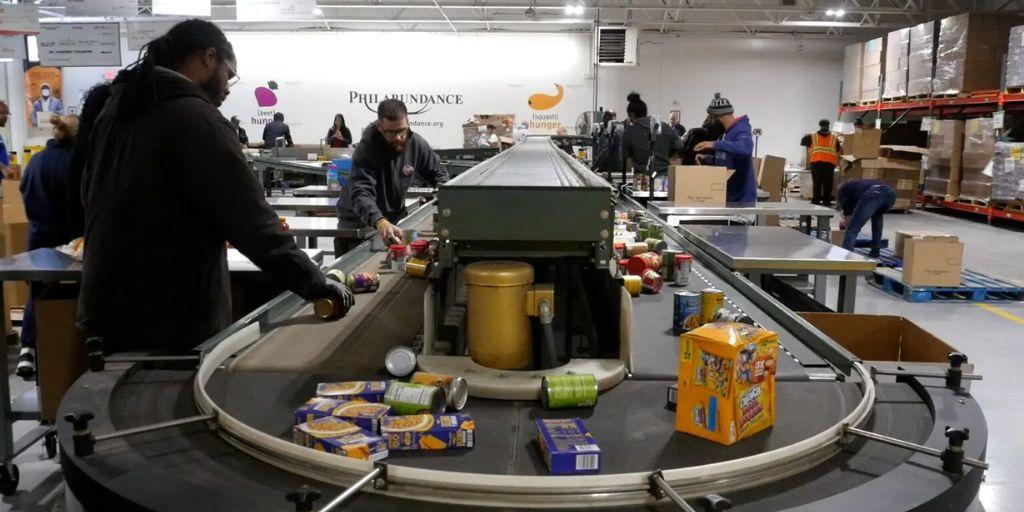
The holidays are synonymous with warm kitchens, bright lights, and most importantly, sharing a bountiful meal. Yet, for thousands of families, perhaps even a neighbor just down the street, the challenge isn't what to cook, but whether there will be food on the table at all.
In cities like Philadelphia and across the nation, this time of year throws a stark spotlight on the enduring issue of food insecurity. When you search for a free food pantry near me, you're connecting with a massive, coordinated effort that goes far beyond simple charity—it's a critical lifeline for immediate survival and a powerful engine for long-term stability.
The Immediate Impact of Holiday Giving
Organizations like Philabundance and the Share Food Program are the backbone of holiday food security. They don't just hand out canned goods; they distribute millions of pounds of food, often assembled into "Holiday Meal Boxes" complete with turkey, stuffing, and all the sides.
This immediate aid serves a crucial, non-negotiable purpose: survival. In Philadelphia, roughly one in four families faces food insecurity. For a child, consistent hunger is not just uncomfortable; it can lead to permanent developmental delays, a form of "toxic stress" that hinders their ability to succeed in school and later in life. These charities provide essential nutrition, allowing children to learn, grow, and thrive.
Furthermore, this aid is vital for those who are working hard but living paycheck to paycheck. A holiday food box frees up their limited financial resources, allowing them to allocate money toward other critical needs, such as rent, heating, or medical bills. It's an essential stabilizing force during a period of peak financial pressure.
Fueling the "Working Poor"
Some social critics argue that charitable food is merely a "band-aid," masking the systemic issues of low wages and high housing costs. While the debate is valid, leading charities are actively working to prove they are much more than just temporary relief. They are adopting a "Hand Up" model focused on empowerment.
The myth that people relying on food banks are "lazy" or looking for a handout is consistently debunked by data. The majority of food bank users are short-term, seeking help during a temporary crisis such as a job loss or a sudden medical expense, and quickly becoming self-sufficient once they are back on their feet.
Organizations are linking emergency aid with vocational training, such as the Philabundance Community Kitchen (PCK)'s 16-week culinary program, which trains low-income individuals for stable food-industry careers. They believe food is "fuel for work"; proper nutrition boosts physical and mental capacity for job searching, training, and workplace performance, ultimately breaking the poverty cycle.
The Dignity of Receiving and the Power of Giving
The act of seeking out a free food pantry near me often carries a heavy psychological burden of shame or stigma. This difficulty serves as a powerful motivator for individuals to regain independence.
During the holidays, the community's response offers a counterbalance to that stigma. The collective effort—from the individual who donates a single coat to the volunteer who sorts thousands of pounds of donated goods—transforms the experience from a humiliating necessity into a recognized, compassionate exchange. It restores dignity and proves that the community is invested in their well-being.
Whether you are seeking help or looking to provide it, the presence of a strong food security network is a testament to the power of collective action.
Make a difference this holiday season. When organizations like Philabundance can rely on a consistent flow of donations, they can plan for both emergency aid and long-term empowerment programs like PCK.
Commit to stability. Donate monthly to Philabundance today.
For more information about Charities For Hunger Please visit : Philabundance
 English
Join our community to interact with posts!