
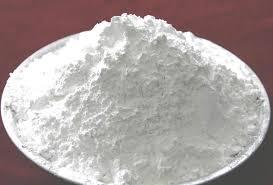
Calcined kaolin powder is widely used across industries due to its enhanced physical and chemical properties compared to raw kaolin. Although both originate from the same natural clay mineral, their performance, structure, and applications differ significantly.
Understanding these differences is essential for manufacturers, engineers, and buyers looking to choose the right material for paints, coatings, plastics, rubber, ceramics, and construction products. In this article, we explore how calcined kaolin powder is produced, how it differs from raw kaolin, and why it is preferred in high-performance industrial applications.
Understanding Raw Kaolin
Raw kaolin is a naturally occurring clay mineral composed mainly of kaolinite. It is mined from the earth and typically processed through washing, grinding, and classification. In its natural form, raw kaolin has a soft texture, relatively low brightness, and contains moisture and organic impurities.
Raw kaolin is commonly used in applications where thermal stability and strength enhancement are not critical. Industries such as paper, ceramics, and some basic construction materials often rely on raw kaolin due to its plasticity and cost-effectiveness. However, its limitations become apparent in advanced industrial uses that demand consistent quality, higher brightness, and improved mechanical properties.
What Is Calcined Kaolin Powder?
Calcined kaolin powder is produced by heating raw kaolin at high temperatures, usually between 600°C and 1000°C. This thermal treatment removes chemically bound water and alters the crystal structure of kaolinite. As a result, the material becomes harder, less reactive, and significantly brighter.
The calcination process transforms raw kaolin into a high-performance mineral filler with improved opacity, low oil absorption, and enhanced strength. These changes make calcined kaolin powder suitable for demanding applications where raw kaolin would not perform effectively.
Key Differences Between Calcined Kaolin Powder and Raw Kaolin
The most significant difference lies in their structure and performance. Calcined kaolin powder undergoes irreversible changes during heating, which improve its physical characteristics. Raw kaolin retains its original layered structure, while calcined kaolin becomes more amorphous.
Brightness is another major distinction. Calcined kaolin powder offers much higher whiteness, making it ideal for paints, coatings, and plastics where color consistency is critical. Raw kaolin, by comparison, has a duller appearance.
Moisture content also differs greatly. Calcination removes chemically bound water, resulting in a dry, stable material. This makes calcined kaolin powder more suitable for high-temperature processes and environments where moisture sensitivity is an issue.
Performance Benefits of Calcined Kaolin Powder
One of the main reasons industries prefer calcined kaolin powder is its superior performance. It enhances mechanical strength, improves surface finish, and increases durability in finished products. In paints and coatings, it improves opacity, scrub resistance, and brightness while reducing the overall formulation cost.
In plastics and rubber, calcined kaolin powder improves stiffness, dimensional stability, and heat resistance. It also helps manufacturers achieve better dispersion and processing efficiency. These advantages make it a preferred alternative to other mineral fillers.
For construction materials, calcined kaolin powder contributes to improved compressive strength, reduced shrinkage, and better long-term durability. Its consistent particle size distribution ensures uniform performance across batches.
Industrial Applications of Calcined Kaolin Powder
Calcined kaolin powder is used extensively in paints and coatings as a functional extender pigment. It enhances film strength and improves coverage while maintaining brightness. In the plastics industry, it acts as a reinforcing filler that improves product lifespan and performance.
Rubber manufacturers use calcined kaolin powder to enhance abrasion resistance and tensile strength. In ceramics, it provides better firing properties and dimensional control. The paper industry also uses calcined kaolin powder for coating applications where high brightness and opacity are required.
When manufacturers require consistent quality and superior performance, they often choose high-purity calcined kaolin powder to meet strict industrial standards.
Raw Kaolin vs Calcined Kaolin: Cost and Value
While raw kaolin is generally less expensive, its lower performance can increase overall production costs in high-end applications. Calcined kaolin powder, although more refined, provides better value through improved efficiency, reduced material usage, and enhanced product quality.
Manufacturers often find that using calcined kaolin powder allows them to optimize formulations, reduce defects, and improve customer satisfaction. Over time, the performance benefits outweigh the initial cost difference.
Environmental and Quality Considerations
Modern calcination processes are designed to meet environmental regulations and maintain consistent quality. High-quality calcined kaolin powder is produced with strict control over particle size, brightness, and purity. This consistency is crucial for industries that require predictable performance and compliance with international standards.
Raw kaolin, while natural, may vary more in composition and quality depending on the source. Calcination helps standardize the material, making it more reliable for large-scale industrial use.
Conclusion
Calcined kaolin powder stands apart from raw kaolin due to its enhanced structure, superior brightness, and improved mechanical properties. Through the calcination process, raw kaolin is transformed into a high-performance material suitable for demanding industrial applications. From paints and coatings to plastics, rubber, and construction materials, calcined kaolin powder delivers consistent quality and long-term value.
As industries continue to demand better performance and efficiency, calcined kaolin powder remains a preferred choice. Its ability to improve strength, durability, and appearance makes it indispensable in modern manufacturing. For businesses seeking reliable and consistent results, choosing calcined kaolin powder over raw kaolin is a strategic decision that supports both product quality and operational efficiency.
 English
Join our community to interact with posts!