
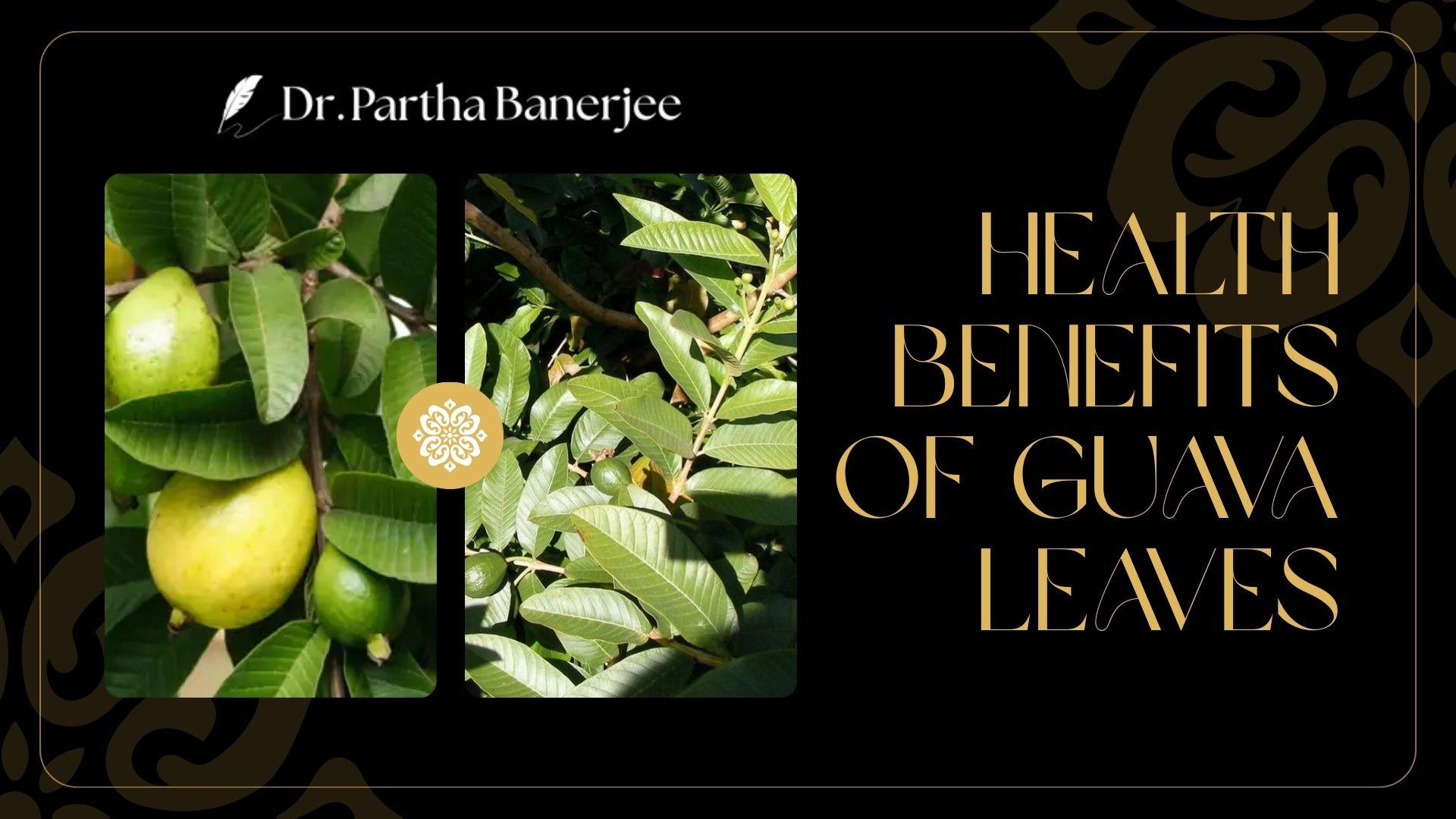
In recent years, there has been a growing shift toward holistic and preventive healthcare approaches that focus on strengthening the body rather than only treating illness. Natural plant-based remedies are gaining renewed attention, and among them, guava leaves stand out for their wide range of wellness-supporting properties. Traditionally used in various cultures, guava leaves are now being explored for their role in long-term health maintenance and disease prevention.
The health benefits of guava leaves extend beyond temporary relief and align well with holistic care principles that aim to support the body’s natural balance, resilience, and self-healing capacity.
Nutritional Foundation of Guava Leaves
Guava leaves are rich in bioactive compounds such as flavonoids, antioxidants, tannins, and essential vitamins. These nutrients help protect the body against oxidative stress, which is a major contributor to chronic inflammation and lifestyle-related conditions. Antioxidants play a preventive role by neutralizing free radicals, thereby supporting cellular health and slowing down premature aging.
This strong nutritional profile makes guava leaves a valuable addition to natural wellness routines focused on prevention rather than cure.
Supporting Digestive Health Naturally
Digestive balance is central to holistic health, as it influences immunity, metabolism, and overall vitality. Guava leaves have traditionally been used to support gut health due to their antimicrobial and anti-inflammatory properties. They help maintain a healthy intestinal environment by limiting the growth of harmful bacteria and soothing the digestive lining.
Regular use of guava leaf tea is often associated with improved digestion, reduced bloating, and better nutrient absorption, all of which are essential for preventive healthcare.
Role in Blood Sugar and Metabolic Balance
One of the most discussed health benefits of guava leaves is their potential role in maintaining stable blood sugar levels. Compounds found in guava leaves may slow carbohydrate absorption and help regulate glucose metabolism. This makes them particularly relevant in holistic strategies aimed at preventing metabolic imbalances.
By supporting steady energy levels and reducing sudden sugar spikes, guava leaves contribute to long-term metabolic wellness when combined with mindful eating and active lifestyles.
Immune System Support and Disease Prevention
A strong immune system is the cornerstone of preventive care. Guava leaves contain antimicrobial and antioxidant compounds that help strengthen immune defenses. These properties may support the body in fighting common infections and reducing the frequency of minor illnesses.
In holistic health practices, immune support is not about constant stimulation but about balance. Guava leaves help create that balance by supporting natural immune responses without overwhelming the system.
Cardiovascular and Inflammatory Health
Chronic inflammation is linked to many long-term health conditions, including heart disease. Guava leaves are known for their anti-inflammatory effects, which can support cardiovascular health over time. They may help promote healthy circulation and assist in maintaining balanced cholesterol levels as part of a preventive wellness approach.
These properties highlight how the health benefits of guava leaves align with long-term heart health goals rather than short-term symptom management.
Stress Management and Overall Vitality
Holistic care recognizes the close connection between mental well-being and physical health. Certain compounds in guava leaves may help reduce oxidative stress and support the body’s stress-response mechanisms. When the body experiences less internal stress, energy levels, sleep quality, and overall vitality often improve.
Incorporating guava leaves into daily routines can complement mindfulness practices, balanced nutrition, and restorative rest.
How Guava Leaves Fit Into Preventive Care Practices
Preventive care is most effective when it is consistent and gentle. Guava leaves are commonly used in the form of teas, infusions, or extracts. These methods allow gradual and sustained benefits rather than abrupt changes. When used responsibly, guava leaves can become part of a broader wellness lifestyle that includes proper nutrition, regular physical activity, and stress management.
It is important to remember that natural remedies work best as supportive tools, not replacements for medical care.
Conclusion
The health benefits of guava leaves make them a valuable component of holistic and preventive care strategies. From supporting digestion and metabolic balance to strengthening immunity and reducing inflammation, guava leaves contribute to overall wellness in a natural and sustainable way. When used thoughtfully and consistently, they align perfectly with preventive health philosophies that focus on nurturing the body before illness arises.
FAQs
Q1. Are guava leaves suitable for long-term preventive use?
Yes, guava leaves are generally considered safe for long-term use when consumed in moderation. They are best used as part of a balanced lifestyle rather than as a standalone remedy.
Q2. How do guava leaves support holistic health?
Guava leaves support holistic health by addressing multiple systems at once, including digestion, immunity, metabolism, and inflammation. This whole-body approach is central to preventive care.
Q3. Can guava leaves help prevent lifestyle-related conditions?
While they are not a cure, guava leaves may help reduce risk factors associated with metabolic and inflammatory conditions when combined with healthy habits.
Q4. What is the best way to consume guava leaves for wellness?
Guava leaf tea is one of the most common and gentle ways to consume them. Extracts are also available, but dosage should be monitored carefully.
Q5. Are there any side effects of guava leaves?
Most people tolerate guava leaves well. Overconsumption may cause mild digestive discomfort, so it is recommended to start with small amounts.
Q6. Can guava leaves replace medical treatment?
 English
Join our community to interact with posts!