
In the competitive landscape of modern business, standing out is more challenging—and more crucial—than ever before. Enter the led sign board: a dynamic, high-impact tool that is transforming how businesses communicate with their audience. From small retail shops to sprawling corporate campuses, these digital displays are rapidly replacing traditional static signage. Their rising popularity isn't just a trend; it's a shift towards more engaging, flexible, and visible marketing. Whether you want to grab attention from the street or improve internal communication, understanding the potential of LED technology is the first step toward lighting up your brand's presence.
What are LED Sign Boards?
At its core, an LED (Light Emitting Diode) sign board is a flat panel display that uses an array of light-emitting diodes as pixels for a video display. Unlike traditional incandescent bulbs that use filaments, LEDs create light through the movement of electrons in a semiconductor material. This process, known as electroluminescence, is what allows these signs to be so incredibly bright and energy-efficient.
The technology behind an LED sign board is a fascinating mix of physics and engineering. A standard board consists of several key components:
- LED Modules: These are the individual tiles that make up the screen face. Each module contains a matrix of LED lamps (pixels).
- Cabinet: The structural frame that holds the modules, power supplies, and control cards. It protects the electronic components from environmental factors like rain and dust.
- Control System: This is the 'brain' of the operation. It receives data from a computer or media player and translates it into the signals that tell the LEDs when to light up and what colour to display.
- Power Supply: Converts the mains AC voltage into the DC voltage required by the LED components.
Benefits of Using LED Sign Boards
Why are businesses across the globe making the switch to digital? The advantages extend far beyond simple aesthetics.
Energy Efficiency
One of the most significant benefits is power consumption. LEDs are remarkably efficient, converting a much higher percentage of electricity into light rather than heat. Compared to traditional neon or fluorescent signage, an LED sign board consumes significantly less power, leading to lower utility bills and a smaller carbon footprint.
Durability
LEDs are solid-state lighting devices, meaning they have no fragile filaments or glass tubes to break. They are built to withstand harsh weather conditions, vibrations, and impact. This ruggedness translates to a longer lifespan—often lasting up to 100,000 hours—and significantly reduced maintenance requirements compared to conventional lighting.
Visibility
When it comes to grabbing attention, brightness matters. LED signs offer superior luminance that remains visible even in direct sunlight, a feat that traditional signage struggles to achieve. At night, they are vibrant and clear, ensuring your message is readable from a distance, 24/7.
Versatility
Digital signage offers unparalleled flexibility. Unlike a painted billboard that requires a physical crew to change, an LED sign can be updated instantly via software. You can display video, scrolling text, static images, or live feeds, allowing you to tailor your content to the time of day, season, or specific promotions.
Cost-Effectiveness
While the initial investment for a digital display is higher than a static banner, the long-term ROI is compelling. When you factor in the energy savings, the elimination of printing costs for new campaigns, and the durability of the hardware, the total cost of ownership over the sign's life is often lower.
Types of LED Sign Boards
There is no one-size-fits-all solution in the world of digital signage. The right choice depends heavily on where and how the sign will be used.
Outdoor LED Signs
These are the heavyweights of the industry. Designed to battle the elements, outdoor LED signs feature high brightness levels (often exceeding 5,000 nits) to compete with the sun. They are rigorously sealed against water and dust (typically IP65 rated). Common examples include roadside billboards, storefront fascia signs, and stadium scoreboards.
Indoor LED Signs
Indoor environments allow for higher resolution displays because viewers are typically much closer to the screen. These signs don't need to be as weather-resistant or blindingly bright as their outdoor counterparts. You'll see them used as digital menu boards in restaurants, advertising displays in shopping centres, and informational screens in lobbies.
Specialty LED Signs
Beyond the standard rectangles, LED technology allows for creative applications. Message boards (scrolling tickers) are perfect for stock markets or transport updates. Video walls create massive, seamless displays by tiling multiple screens together. There are even flexible LED modules that can be wrapped around columns or curved surfaces for a truly unique visual experience.
Applications of LED Sign Boards
The versatility of LED technology means it has found a home in almost every sector.
- Retail: Shops use window displays to showcase flash sales and new arrivals, drawing foot traffic inside. Inside the store, digital signage can promote loyalty programmes or guide customers to specific departments.
- Hospitality: Hotels use displays to welcome guests, show event schedules, or advertise on-site amenities like the spa or restaurant. Bars and restaurants utilise digital menus to easily update prices and promote daily specials.
- Transportation: In airports and train stations, clarity is key. LED signs provide real-time arrival and departure information, wayfinding assistance, and emergency alerts.
- Education: Schools and universities utilise electronic message centres to communicate with students and parents, displaying everything from school closure notices to achievements and upcoming sports events.
- Corporate: In the corporate world, LED signs in lobbies impress visitors with brand messaging, while internal screens in break rooms or hallways keep employees updated on company news and KPIs.
How to Choose the Right LED Sign Board
Selecting the perfect sign involves balancing technical specifications with your specific needs.
Size and Resolution
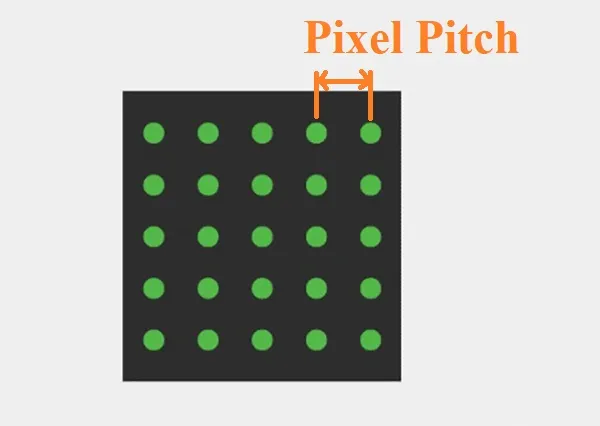
The size of your sign should be determined by the viewing distance. A sign meant to be seen from a motorway needs to be physically larger than one intended for a pedestrian plaza. Resolution is defined by "pixel pitch" (the distance between individual pixels). A smaller pixel pitch (e.g., P2 or 2mm) creates a sharper image suitable for close viewing, while a larger pitch (e.g., P10) is sufficient for signs viewed from far away.
Brightness and Viewing Angle
For outdoor use, you need high brightness to ensure readability on sunny days. However, for indoor use, too much brightness can be uncomfortable for viewers. You also need to consider the viewing angle; a wide viewing angle ensures that the image remains clear even if someone is looking at the sign from the side, which is crucial for busy streets or wide indoor spaces.
Environmental Factors
If your sign is going outside, it must be rated for the environment. Look for Ingress Protection (IP) ratings that certify resistance to water and solid objects. You also need to consider temperature control; high-quality screens have built-in cooling systems to prevent overheating.
Control and Software
How will you update your content? Some systems require a direct USB connection, while others offer cloud-based control that allows you to update your sign from anywhere in the world. Choose user-friendly software that matches your technical comfort level.
Installation and Maintenance
Proper installation is critical for safety and performance. For larger outdoor signs, professional installation is non-negotiable to ensure the structure is sound and complies with local planning regulations. Electrical connections must be handled by certified professionals.
Maintenance is generally straightforward but necessary. Regular cleaning of the screen face (using appropriate non-abrasive methods) ensures brightness isn't diminished by grime. Software should be kept up to date to ensure security and functionality. If issues arise, such as a dead pixel module, the modular nature of LED signs often allows for a simple swap of the affected tile rather than replacing the whole screen.
Cost Considerations
Budgeting for an LED sign involves looking at the bigger picture.
- Initial Investment: This includes the cost of the hardware (screens, cabinets, controllers), shipping, and installation. Higher resolution and weather-proofing will increase this upfront cost.
- Operating Costs: While efficient, electricity costs are still a factor, though significantly less than older technologies. Routine maintenance checks should also be factored in.
- ROI: The return comes from increased visibility and agility. A restaurant might see a 5% increase in sales just by using a digital board to promote high-margin items. A retail store might save thousands a year by not printing new vinyl banners every month.
Future Trends in LED Sign Boards
The technology is not standing still. We are seeing the rise of flexible and transparent displays, allowing for creative installations on glass facades without blocking natural light. 3D LED technology, often seen in viral videos from Asia, creates stunning optical illusions that leap out of the screen. Furthermore, integration with the Internet of Things (IoT) allows signs to react to the environment—changing content based on the weather, traffic conditions, or even the demographics of the people standing in front of it. Sustainability is also a focus, with manufacturers developing even more energy-efficient diodes and using recyclable materials.
Conclusion
From their superior brightness and energy efficiency to their incredible versatility, LED sign boards offer a powerful way to communicate in the modern world. They are more than just glowing screens; they are dynamic canvases that allow businesses to adapt, engage, and grow. Whether you are looking to install a massive outdoor billboard or a sleek indoor display, choosing the right specifications is vital for success. If you are ready to elevate your brand visibility, now is the time to explore the digital possibilities.
For more information on finding the perfect display solution for your needs, visit our website or contact our team of experts today.
 English
Join our community to interact with posts!