
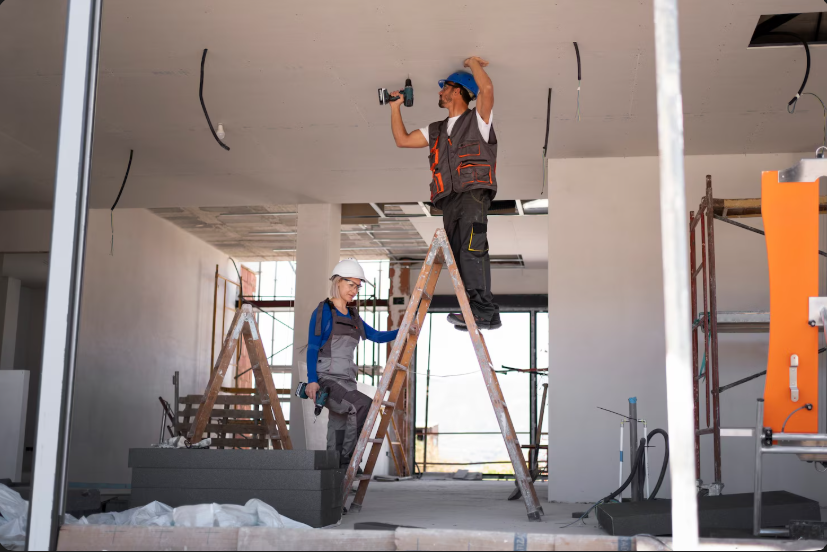
Home improvement isn’t just about prettier rooms anymore — it’s about comfort, durability, and long-term value. Whether you’re thinking a small bathroom refresh or a full kitchen overhaul, the right choices today can pay off in lower bills, happier living, and stronger resale appeal. Below I’ll walk you through the biggest trends for 2026, where homeowners are getting the best return, a practical step-by-step plan, a compact ROI table, and a short case study featuring J & V Westside Construction so you know what good workmanship looks like.
Why now? The market in plain terms
-
Total homeowner remodeling spending is at record levels heading into 2026; experts estimate roughly $520–$524 billion in remodeling activity as homeowners adapt to economic conditions and aging housing stock.
-
Homeowners are choosing to invest in existing homes (kitchens, baths, comfort upgrades) rather than trade up—so demand for reliable contractors and durable materials is strong.
Top home improvement trends for 2026 (what buyers and homeowners want)
Energy-efficiency and “future-proof” systems
Upgrades that cut energy use — insulation, efficient windows, heat-pump water heaters, LED-ready lighting, and better HVAC controls — are top of mind. These projects reduce bills and are increasingly favored by buyers.
Smart homes that simplify life (and age in place)
Interoperable, AI-friendly devices (thermostats, security, lighting scenes) plus designs that support multigenerational living (curbless showers, better grab-bar integration) are common asks.
Kitchen and bathroom focus remains strong
Kitchens and baths still dominate renovation spending. Expect more texture, wood tones replacing all-white kitchens, and practical storage innovations.
Natural, wellness-forward design
Biophilic and spa-like bathrooms (heated floors, natural stone, indoor/outdoor connections) are trending — people want spaces that feel restorative.
Where to spend for the best return (compact ROI table)
Below is a short, practical snapshot of typical mid-market projects and approximate payback/ROI ranges homeowners are seeing in 2025–2026. (Numbers are industry averages — specific results vary by scope and market.)
| Project type | Typical cost range (U.S.) | Typical ROI / Cost Recovery* |
|---|---|---|
| Attic insulation / energy upgrades | $2,000–$5,000 | 100–120% (fast payback) |
| Garage door replacement | $4,000–$5,500 | ~100% (high cost recovery) |
| Minor kitchen remodel | $10k–$25k | 70–83% depending on finishes |
| Bathroom refresh (mid-range) | $9k–$20k | 65–80% (higher if layout unchanged) |
*Source data are industry averages and recent market summaries. Use them as a planning guide, not a guarantee.
A practical step-by-step plan for a stress-free remodel
-
Decide your primary goal — comfort, value, energy savings, accessibility, or style. This drives budget and scope.
-
Do a quick local market check — which upgrades buyers in your area value most? (Kitchens and baths usually top the list.)
-
Set a realistic budget + contingency — expect mid-size projects to run higher than quick estimates because labor/materials have been trending up.
-
Pick materials for durability — low-maintenance surfaces and proven brands reduce lifetime costs.
-
Hire a local contractor with portfolio evidence — check before/after photos, references, and warranty terms. (See the example case study below.)
-
Schedule in stages — demo → rough trades → finishes → punch list. Smaller deliveries keep work organized and mitigate delays.
-
Document everything — written scope, change-order process, and payment schedule prevent disputes.
Real-world example: a small tile-and-bath refresh (short case study)
Project: Mid-range bathroom refresh — replace tile, update vanity, add curbless shower entry and heated floor.
Why it mattered: Homeowner needed accessibility for aging-in-place and wanted a modern, low-maintenance finish that also increased resale appeal.
Outcome highlights:
-
Replaced old ceramic with large-format porcelain tile for easier upkeep.
-
Installed heated floors under a tile field, improving daily comfort (an often-cited “luxury” that buyers notice).
-
Curbless shower improved accessibility and added a clean, modern look.
Who did it: J & V Westside Construction — a Glendale-based team that specializes in tile and stone for residential projects, with a gallery of completed installs and a strong local reputation. Their portfolio shows similar bathroom and commercial tile work, illustrating the craftsmanship that helps projects finish on time and on spec.
If you’d like a contractor who focuses on tile/stone quality and precise installs, J & V Westside Construction is a relevant local option.
Quick checklist before you sign a contract
-
Written scope with materials, brands, and allowances.
-
Start/end dates and a payment schedule tied to milestones.
-
Proof of insurance and local licensing.
-
Warranty details for workmanship and materials.
-
References and recent photo gallery of finished jobs.
Conclusion — Keep value in mind, but live better now
Home improvement in 2026 balances comfort, sustainability, and resale sense. Prioritize projects that solve real problems (energy bills, accessibility, aging finishes) and select contractors who document work clearly and show a gallery of similar projects. Practical upgrades like insulation, efficient windows, and thoughtful kitchen/bath remodels continue to give some of the highest paybacks — and they make your day-to-day life better right away.
 English
Join our community to interact with posts!