
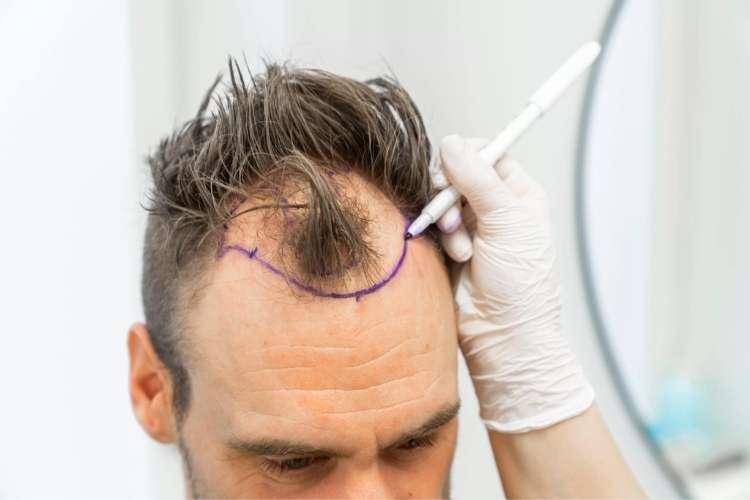
Hair loss can significantly affect confidence and self-image, prompting many individuals to explore permanent restoration solutions. If you are considering a Hair Transplant in Islamabad, understanding whether you are an eligible candidate is the first and most important step. Hair transplant surgery is not a one-size-fits-all procedure; eligibility depends on several medical, genetic, and lifestyle factors. Knowing these criteria helps patients set realistic expectations and achieve long-lasting, natural-looking results.
Understanding Hair Transplant Eligibility
Hair transplant eligibility refers to whether a person’s scalp condition, hair loss pattern, and overall health allow for successful transplantation. The procedure involves extracting healthy hair follicles from a donor area—usually the back or sides of the scalp—and implanting them into thinning or bald areas. For optimal outcomes, the donor follicles must be strong, stable, and resistant to hair loss. A professional evaluation by a qualified hair restoration specialist is essential to determine suitability.
Ideal Age for Hair Transplant Candidates
Age plays a significant role in determining eligibility for hair transplantation. While there is no strict age limit, most surgeons recommend waiting until hair loss patterns stabilize, usually after the mid-20s. Younger patients may continue to experience hair loss after the procedure, which can affect long-term results. Older patients, on the other hand, often have a more predictable hair loss pattern, making it easier to design a natural-looking hairline and achieve consistent density.
Types of Hair Loss Suitable for Transplant
Not all types of hair loss can be treated with hair transplantation. Androgenetic alopecia, commonly known as male or female pattern baldness, is the most suitable condition. Hair loss caused by traction alopecia, scarring from injuries, or burns may also be treatable in certain cases. However, conditions such as alopecia areata or diffuse unpatterned alopecia often require non-surgical treatments like PRP therapy or medications before considering transplantation. Proper diagnosis is key to determining eligibility.
Importance of a Healthy Donor Area
The quality and density of the donor area are critical factors in hair transplant eligibility. The donor region must have sufficient healthy hair follicles to be relocated without causing visible thinning. Individuals with weak or sparse donor hair may not be ideal candidates, as the results may not meet expectations. During consultation, surgeons carefully assess donor hair strength, texture, and growth pattern to ensure successful graft survival.
Overall Health and Medical Conditions
A candidate’s general health significantly influences hair transplant eligibility. Individuals with well-managed conditions such as diabetes or hypertension can still undergo the procedure, provided their health is stable. However, uncontrolled medical conditions, autoimmune disorders, or active scalp infections may delay or disqualify candidacy. Blood tests and medical history reviews are typically conducted to ensure the patient can safely undergo the procedure and heal properly afterward.
Scalp Condition and Hair Quality
A healthy scalp is essential for successful hair transplantation. Conditions such as severe dandruff, psoriasis, or infections must be treated before surgery. Hair texture and thickness also play a role; thicker hair provides better coverage and density compared to fine hair. Surgeons consider these factors when determining how many grafts are needed and how they should be placed for natural results.
Lifestyle Factors Affecting Eligibility
Lifestyle habits can influence both eligibility and outcomes of a hair transplant. Smoking, excessive alcohol consumption, poor diet, and high stress levels can negatively affect blood circulation and healing. While these factors do not automatically disqualify a patient, surgeons often recommend lifestyle adjustments before and after the procedure to improve graft survival and overall results. Commitment to post-procedure care is also an important consideration.
Psychological Readiness and Expectations
Hair transplant eligibility is not only physical but also psychological. Candidates should have realistic expectations about the results and understand that hair growth is gradual. Full results typically appear within 12 to 18 months. Individuals expecting instant or unrealistic density may feel dissatisfied even after a technically successful procedure. A thorough consultation helps align expectations with achievable outcomes.
Eligibility for Women Considering Hair Transplant
Women experiencing hair thinning or receding hairlines can also be eligible for hair transplantation. Female pattern hair loss, traction alopecia, or hair loss due to scarring can be effectively treated in selected cases. Eligibility depends on donor hair availability and the pattern of thinning. A personalized assessment ensures that the procedure enhances density without compromising existing hair.
FAQs About Hair Transplant Eligibility in Islamabad
Q1: Can young adults undergo a hair transplant?
Yes, but surgeons usually recommend waiting until hair loss stabilizes to ensure long-term results.
Q2: Is hair transplant suitable for complete baldness?
It depends on donor hair availability. Some cases may require staged procedures or alternative treatments.
Q3: Can people with medical conditions get a hair transplant?
Yes, if the condition is well-controlled and approved by the surgeon after medical evaluation.
Q4: Does hair texture affect eligibility?
Yes, thicker hair often provides better coverage, but fine hair can also be transplanted successfully.
Q5: Are women eligible for hair transplant surgery?
Absolutely. Many women are suitable candidates depending on hair loss type and donor area quality.
Final Thoughts
Understanding hair transplant eligibility is essential for anyone considering hair restoration. From age and hair loss type to donor area strength and overall health, multiple factors determine whether the procedure will deliver optimal results. A professional consultation helps identify the most suitable approach and ensures realistic expectations. If you are seeking expert evaluation, advanced techniques, and personalized care for hair restoration, SKN Cosmetics offers trusted solutions designed to help eligible patients restore confidence and achieve natural-looking hair growth.
 English
Join our community to interact with posts!