
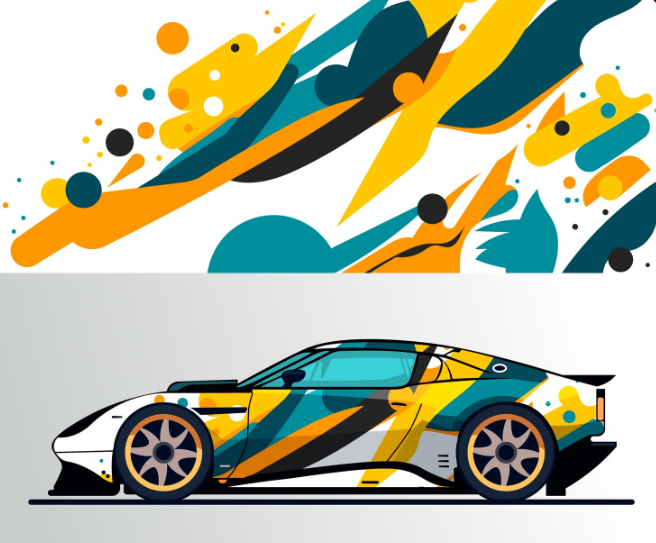
If you own a high-performance machine and want it to look one-of-a-kind without committing to permanent paint, exotic car wraps are the go-to solution. From subtle satin finishes to full-on holographic transformations, wraps let owners customize, protect, and refresh their rides quickly — especially in car-culture hotspots like Los Angeles. Below I’ll walk you through what exotic car wraps are, why they’re booming in 2026, the most popular finishes, and a real-world project example from Vibe Auto Group so you can decide whether a wrap is right for your car.
What “exotic car wraps” actually mean
“Exotic car wraps” refers to premium vinyl films and installation techniques used on high-end cars — think Ferraris, Lamborghinis, McLarens and other limited-production machines — to achieve finishes that either aren’t available from the factory or would be prohibitively expensive to paint. Wraps provide:
-
Full-body color change without permanent paintwork
-
Protection against rock chips, UV fading and light abrasions (when combined with PPF)
-
The ability to remove or replace the finish after a few years
-
Custom graphics and finishes that increase visual impact
Many shops use trusted film brands (3M, Avery Dennison, XPEL) and certified installers for precise, paint-friendly results.
Why exotic car wraps are surging in popularity (2024–2026)
The market for vehicle wrap films has expanded rapidly in recent years due to rising demand for customization and improved film technology. Industry forecasts and market research show strong growth and investment in advanced wrap materials through 2026 and beyond. This growth reflects both consumer demand for personalization and more commercial/fleet use of vehicle graphics.
Local demand in Los Angeles — a city with one of the densest concentrations of exotic cars — keeps specialty shops busy year-round, and the variety of finishes customers request is steadily widening.
Popular finishes for exotic car wraps (what owners ask for)
Top finishes in 2026
-
Matte — understated, stealthy, hides reflections.
-
Satin — same soft sheen as matte but with a touch more luster.
-
Gloss — high-shine; often used to mimic OEM paint.
-
Chrome/Holographic/Iridescent — ultra-bold, attention-grabbing; higher cost and more delicate.
-
Textured (carbon fiber, brushed metal) — adds depth and a performance look.
Quick pros & cons
-
Matte/Satin: great for long-term style, easier to touch up than chrome.
-
Chrome/Holographic: spectacular in photos, requires expert handling and careful maintenance.
-
Textured: great for accents (roof, mirror caps) rather than full-body wraps.
Small comparison table: finishes at a glance
| Finish | Typical Lifespan (installed properly) | Best use |
|---|---|---|
| Matte | 4–6 years | Full-body changes, stealth looks |
| Satin | 4–6 years | Luxury coupe or grand tourer refresh |
| Gloss | 5+ years | OEM-like transformations |
| Chrome / Holographic | 2–4 years (delicate) | Show cars, photo shoots |
| Textured accents | 3–5 years | Contrasts & trim pieces |
(Lifespan depends on film brand, prep work, and maintenance.)
Real-world example — Project spotlight (what a complete exotic wrap looks like)
Client: High-performance coupe
Goal: Full color transformation to a satin black finish while preserving the original paint and adding protection.
Process used by the shop:
-
Detailed inspection and paint correction where needed.
-
Full-body installation of premium cast vinyl (factory-grade film).
-
Strategic use of paint protection film (PPF) on high-risk areas (front bumper, hood, side mirrors).
-
Final ceramic coating for extra gloss and hydrophobic properties.
This is the kind of turnkey project you can expect from experienced Los Angeles installers; the local portfolio shows similar full conversions and integrated PPF + wrap workflows.
Maintenance tips for exotic car wraps
-
Wash regularly with gentle, pH-neutral soap and soft mitts.
-
Avoid automatic brushes that can abrade textured or delicate films.
-
Use ceramic coatings or wrap-specific sealants for extra longevity.
-
Park in shade when possible to reduce UV exposure on delicate chrome/iridescent films.
-
Address edge lifting or small punctures quickly — repairs are usually far cheaper than full rewraps.
How to choose the right shop for an exotic car wrap
Look for:
-
Certified installers and visible brand partnerships (3M, Avery Dennison, XPEL).
-
A portfolio of finished exotic cars (photos from various angles, close-up seams).
-
Clear warranty and maintenance guidance.
-
Integrated services (PPF, ceramic coating, detailing) — these are frequently paired with high-end wraps.
In Los Angeles, there are many reputable specialists; comparing portfolios and asking for references pays off.
Final thoughts: is a wrap right for your exotic?
If you want dramatic visual change, temporary customization, or layer-on protection without affecting original paint value, exotic car wraps are among the most efficient, reversible, and design-flexible options today. With improved film technology and certified installers, high-end wraps deliver jaw-dropping results while keeping your car’s factory paint intact. Industry growth through 2026 underscores that more owners are choosing this path.
Ready to explore options?
If you want a quote, finish recommendations, or to see portfolio examples for exotic cars in Los Angeles, check out Vibe Auto Group’s wrap services and booking page: Vibe Auto Group — Car Wraps in Los Angeles
 English
Join our community to interact with posts!