
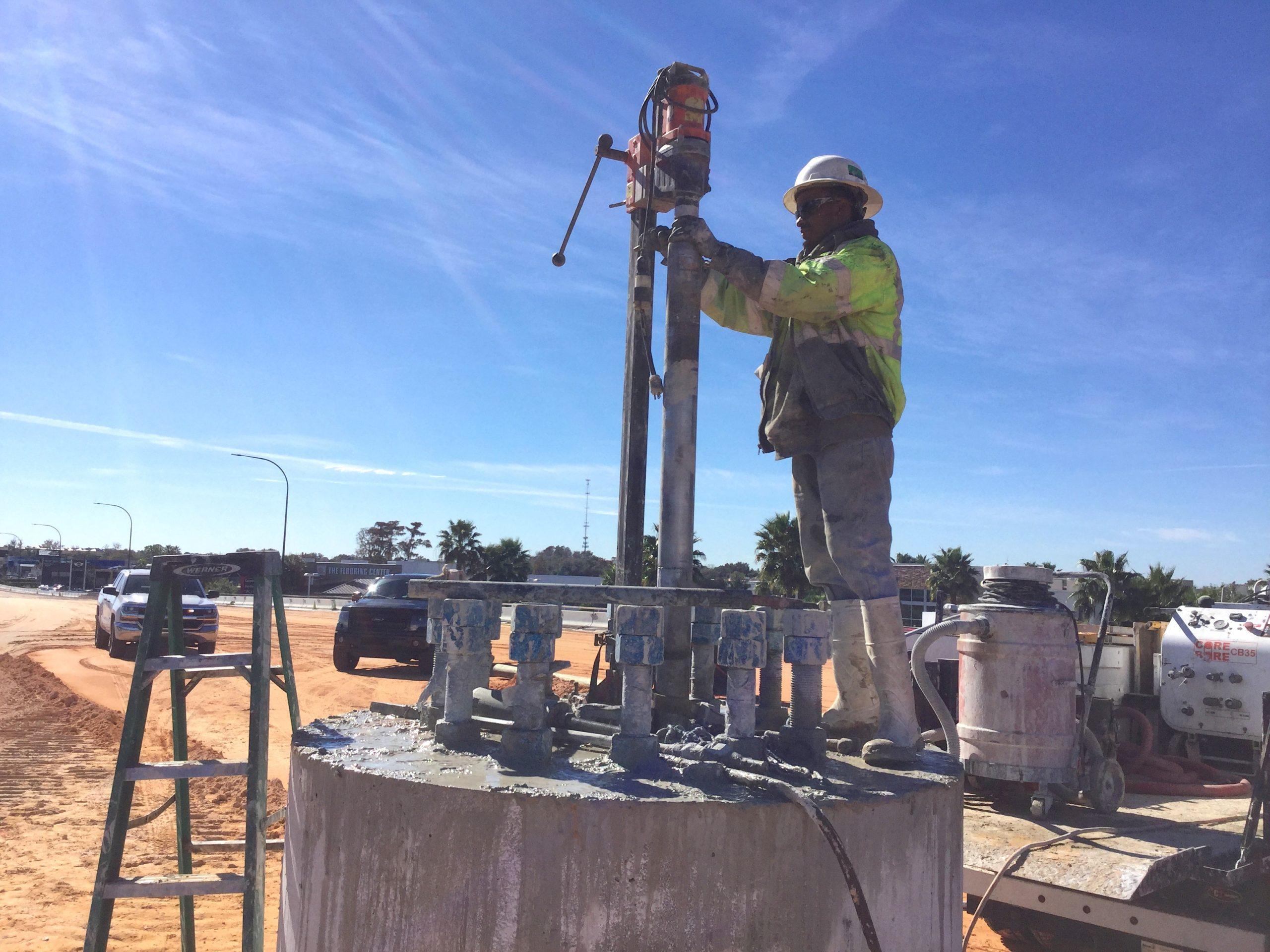
Industrial drilling operations demand precision, durability, and consistency. Whether you are operating on a construction site, in mining fields, or managing geotechnical projects, the reliability of your drilling equipment determines productivity and safety. Regular maintenance is not just about extending tool life; it directly impacts performance efficiency, operational costs, and workplace safety.
Professionals working with rotary hammer systems, down-the-hole assemblies, and top hammer rigs understand that even minor neglect can result in significant downtime. Proper care of drilling components, including drill bits, shanks, rods, and lubrication systems, ensures maximum penetration rates and reduced wear. This guide explores practical, field-tested maintenance strategies that help extend equipment lifespan while maintaining peak performance.
Understanding the Importance of Preventive Maintenance
Preventive maintenance is the foundation of any successful drilling operation. Equipment that operates under high impact energy and rotational stress experiences natural wear. Without routine inspections and servicing, issues such as bit dulling, shank deformation, thread damage, and air leakage can escalate quickly.
Regular maintenance reduces unexpected breakdowns and keeps your operation aligned with manufacturer standards from industry leaders like Sandvik and Epiroc. These companies emphasize systematic inspection schedules because drilling environments are harsh, often involving abrasive rock formations, high temperatures, and moisture exposure.
A structured preventive plan should include daily visual checks, weekly functional assessments, and periodic part replacements based on operational hours. Keeping a maintenance log helps track wear patterns and anticipate replacements before performance declines.
Proper Cleaning After Every Operation
Dust, rock debris, and slurry residues accumulate rapidly during drilling operations. Allowing these contaminants to remain on the equipment can accelerate corrosion and internal component wear.
After each shift, ensure that drill bits and rods are thoroughly cleaned using compressed air systems or low-pressure washing units. Pay special attention to flushing holes and thread connections. Blocked flushing ports restrict airflow, leading to overheating and reduced penetration efficiency.
When cleaning, inspect for cracks, uneven carbide wear, and chipping on the cutting structure. If signs of abnormal wear appear, address them immediately to prevent further damage to the entire drilling assembly.
Lubrication: The Backbone of Smooth Operation
High-impact drilling creates friction at multiple contact points. Without proper lubrication, friction increases, leading to heat buildup and premature component failure.
Use manufacturer-recommended rock drill oils and greases specifically formulated for percussive drilling systems. Inadequate lubrication often results in piston wear, cylinder scoring, and shank adapter damage. Always verify that the lubrication system is functioning correctly before initiating operations.
In colder environments, oil viscosity becomes critical. Selecting the correct grade ensures consistent lubrication flow. Monitoring oil consumption also provides insight into system health. Sudden changes in consumption rates may indicate internal leaks or seal damage.
Inspecting Drill Bits for Wear and Damage
Drill bits endure the most stress in the drilling assembly. Over time, carbide inserts wear down, reducing penetration rates and increasing energy consumption.
Regrinding bits at the appropriate time is essential. Waiting too long before regrinding can cause structural damage to the bit body. Skilled technicians use precision grinding equipment to restore the original cutting profile, ensuring efficient rock fragmentation.
Pay attention to button wear patterns. Flat buttons, chipped inserts, or uneven wear often signal misalignment or improper feed pressure. Addressing these issues early prevents damage to rods and the rotation unit.
Thread and Connection Maintenance
Threaded connections play a critical role in maintaining torque transmission and structural integrity. Damaged threads lead to energy loss and possible rod breakage.
Always clean and apply thread grease before connecting rods. Inspect for signs of galling, cracking, or deformation. Replacing worn couplings promptly prevents further damage to adjacent components.
Proper torque application is equally important. Over-tightening can strain threads, while under-tightening may result in loosening during operation. Using calibrated torque tools ensures consistent and secure connections.
Monitoring Air and Flushing Systems
Efficient flushing removes cuttings from the borehole and cools the drill bit. Blocked or inefficient flushing systems lead to regrinding of debris, excessive heat, and accelerated wear.
Regularly inspect air compressors and hoses for leaks or pressure inconsistencies. Moisture buildup in compressed air systems can cause internal corrosion. Installing moisture separators and routinely draining air receivers helps maintain system integrity.
Consistent airflow ensures optimal performance during hammer bit drilling operations, especially when working in deep or high-density formations.
Checking Alignment and Feed Pressure
Misalignment between the drill string and the rock surface causes uneven wear and vibration. These vibrations strain internal components and reduce drilling accuracy.
Ensure that feed pressure settings match rock conditions. Excessive force can damage bits and rods, while insufficient pressure reduces penetration efficiency. Operators should be trained to recognize sound and vibration changes that signal operational imbalance.
Modern rigs manufactured by companies like Atlas Copco often include automated monitoring systems that help maintain optimal feed and impact settings. Leveraging these systems improves both efficiency and equipment longevity.
Storage and Handling Best Practices
Improper storage significantly shortens equipment lifespan. Drill bits and rods should be stored in dry, well-ventilated environments. Moisture exposure leads to rust formation, particularly on threaded areas.
Use protective caps on threads during transportation. Dropping rods or bits can cause micro-fractures that are not immediately visible but may result in catastrophic failure during operation.
Organized storage systems also help track usage cycles and maintenance schedules. Rotating inventory ensures even wear distribution across available tooling.
Replacing Worn Components on Time
Every drilling component has a defined service life. Attempting to maximize usage beyond recommended limits often results in greater repair costs and extended downtime.
Shank adapters, seals, bushings, and pistons should be replaced according to manufacturer guidelines. Monitoring vibration levels and performance output can help identify declining components before failure occurs.
Keeping spare parts readily available reduces downtime and maintains workflow continuity. Partnering with certified suppliers ensures access to genuine components designed for compatibility and durability.
Training Operators for Long-Term Equipment Health
Even the most advanced drilling system requires skilled operation. Operator technique directly influences wear rates and overall equipment health.
Provide regular training sessions focused on proper startup procedures, feed pressure adjustments, lubrication checks, and shutdown protocols. Encourage operators to report unusual sounds, reduced penetration rates, or vibration anomalies immediately.
Experienced operators can detect early warning signs that automated systems may not immediately identify. Building a culture of accountability significantly improves maintenance outcomes.
The Role of Scheduled Overhauls
While daily and weekly maintenance tasks prevent minor issues, scheduled overhauls address long-term wear. Comprehensive inspections should include disassembly of key components to evaluate internal conditions.
During overhauls, technicians examine impact pistons, internal cylinders, and sealing systems for micro-damage. Replacing worn parts during planned downtime is far more cost-effective than emergency repairs.
Documentation of overhaul findings also contributes to data-driven maintenance planning. Over time, analyzing this data helps refine inspection intervals and optimize part replacement cycles.
Final Thoughts on Sustainable Equipment Performance
Maintaining drilling equipment is not a one-time task; it is a continuous commitment. From routine cleaning and lubrication to advanced performance monitoring, each maintenance step contributes to safer operations and improved productivity.
Investing time and resources into preventive maintenance protects both equipment and workforce. With consistent care, drilling systems can deliver reliable performance even in the toughest geological conditions. The key lies in attention to detail, adherence to manufacturer guidelines, and proactive management of wear and tear.
When maintenance becomes an integrated part of operational strategy rather than an afterthought, businesses experience reduced downtime, lower repair costs, and sustained drilling efficiency. In demanding industries where precision and durability matter most, proper equipment care is not optional; it is essential for long-term success.
 English
Join our community to interact with posts!