
The Birth of Glo Gang and the Chicago Spark
Glo Gang did not begin as a calculated brand strategy or a polished corporate idea. It was born from raw reality, youthful ambition, and the unfiltered streets of Chicago. At its core, Glo Gang—short for “Glory Boyz Entertainment”—emerged as a reflection of a generation that wanted to be seen, heard, and remembered. The movement was ignited by Chief Keef, whose rise in the early 2010s felt less like an industry rollout and more like a cultural explosion. His sound, image, and unapologetic authenticity resonated with millions who felt ignored by traditional narratives in hip-hop.
What made Glo Gang special from day one was its honesty. It didn’t try to clean up its edges or soften its truths. Instead, it embraced them. The early days were fueled by DIY music videos, viral energy, and a fearless approach to self-expression. Glo Gang wasn’t asking for permission—it was declaring presence.
Sound as Identity: How Glo Gang Redefined Modern Hip-Hop
Glo Gang’s music wasn’t just something people listened to; it was something people lived. The heavy bass, repetitive hooks, and hypnotic flows created a sound that felt raw yet addictive. This wasn’t music built for radio approval—it was built for real life. Through its stripped-down production and emotionally detached delivery, Glo Gang helped shape what the world now recognizes as drill music.
More importantly, the sound carried an attitude. Confidence, rebellion, and emotional numbness blended into a new kind of storytelling. Instead of long explanations, the music relied on vibe and repetition, mirroring how many young people processed their environments. Glo Gang proved that feeling could matter more than polish, and authenticity could outweigh technical perfection.
Brotherhood, Loyalty, and the Power of the Collective
While Chief Keef stood at the center, Glo Gang was never just about one person. It was about the idea of a collective rising together. Members and affiliates represented loyalty, shared struggle, and mutual ambition. This sense of brotherhood became one of the movement’s strongest pillars. Fans didn’t just follow artists—they followed a family-like structure that felt real and unmanufactured.
That collective energy translated into how Glo Gang interacted with its audience. There was no forced distance between artist and fan. Social media blurred the lines, making supporters feel like insiders rather than spectators. In an era where celebrity often feels unreachable, Glo Gang felt close, almost personal.
Fashion as a Flag: Streetwear with Meaning
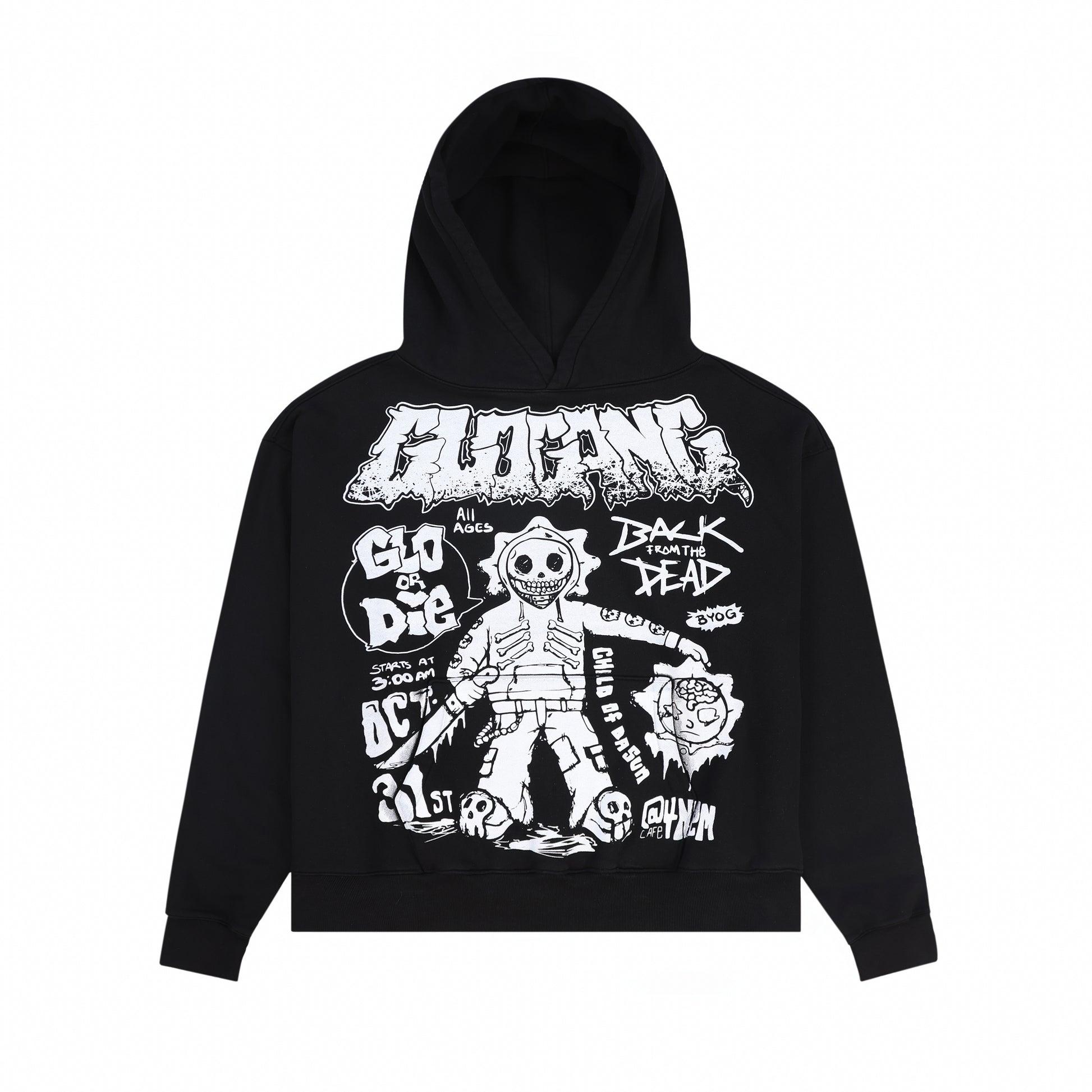
Glo Gang Hoodie influence extended far beyond music, especially into street fashion. Hoodies, graphic tees, bold logos, and unapologetic designs became visual symbols of belonging. Wearing Glo Gang wasn’t just about style—it was about signaling mindset. The clothing represented resilience, self-belief, and a refusal to conform.
Unlike luxury fashion that often chases exclusivity, Glo Gang streetwear thrived on accessibility and attitude. It didn’t matter where you were from; if the message resonated, you were part of the culture. This approach helped Glo Gang become a global presence, worn by fans who saw themselves reflected in its raw aesthetic.
Internet Culture and the Rise of a Digital Generation
Glo Gang was one of the first movements to fully harness the power of the internet without trying to control it. Viral moments, memes, low-budget videos, and unfiltered social media posts became part of the brand’s identity. Instead of resisting criticism or controversy, the movement absorbed it and kept moving.
This digital-native approach made Glo Gang feel ahead of its time. It understood that attention—good or bad—was currency. By staying authentic online, the collective built a loyal fanbase that valued honesty over perfection. In many ways, Glo Gang helped rewrite the rulebook for how artists interact with fans in the digital age.
Controversy, Criticism, and Cultural Impact
No movement as real as Glo Gang comes without controversy. Critics often pointed to its aggressive imagery, lyrical themes, and lifestyle portrayal. But supporters argued that Glo Gang was not creating problems—it was reflecting them. The movement forced uncomfortable conversations about youth, violence, environment, and survival.
Rather than diluting its message to satisfy critics, Glo Gang stayed true to itself. This refusal to bend became part of its legend. It showed that cultural impact doesn’t always come from being universally accepted; sometimes it comes from being undeniably influential.
Global Reach: From Chicago Streets to Worldwide Influence
What started in Chicago quickly traveled far beyond city limits. Glo Gang’s sound, fashion, and attitude influenced artists across the globe. From Europe to Asia, young creatives borrowed elements of the aesthetic, proving that the movement spoke a universal language of rebellion and self-definition.
This global reach was organic, not engineered. Fans discovered Glo Gang through the internet, music platforms, and streetwear culture, spreading the message without marketing campaigns. It was culture moving at the speed of belief.
The Legacy of Glo Gang: Still Glowing, Still Growing
Today, Fear Of Good Essentials stands as more than a moment in hip-hop history—it is a lasting symbol of independence and cultural shift. Its legacy lives in the music styles it influenced, the artists it inspired, and the fans who found confidence through its message. Glo Gang taught a generation that you don’t need approval to shine—you just need belief.
 English
Join our community to interact with posts!