
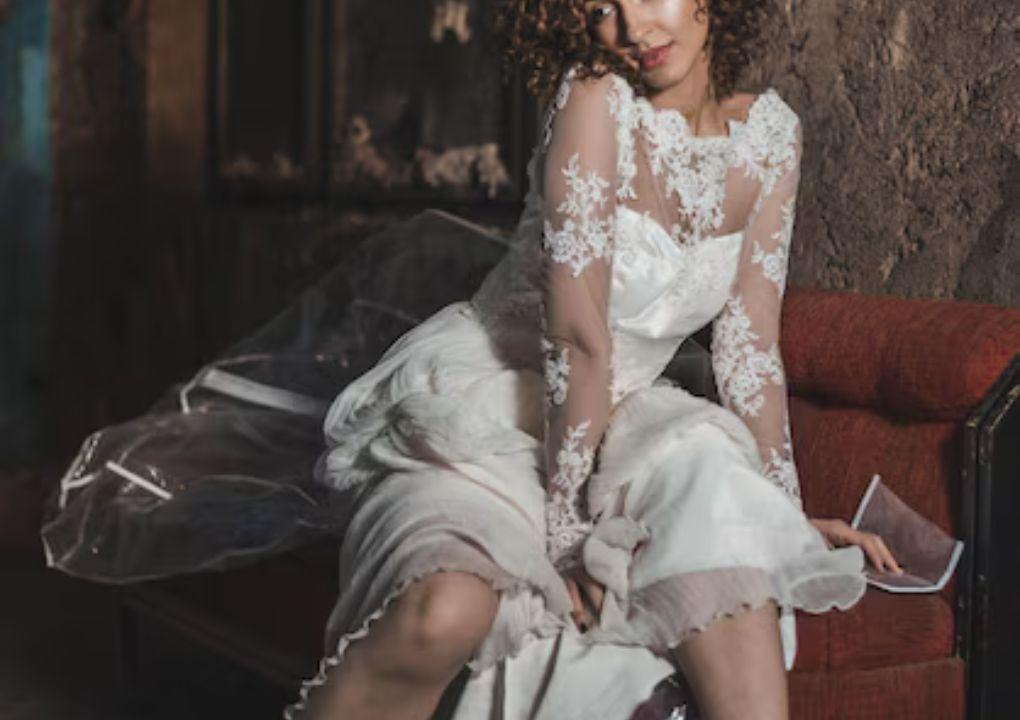
Special moments deserve looks that feel right, not forced. Clothes speak before words do, so color and fabric matter more than most people think. In the first few seconds, an outfit sets the mood, tone, and intent. Special occasion styling works best when shades and textures match the event, the setting, and the person wearing them. A smart choice helps confidence flow. A poor one can feel off all night. Personal styling plans focus on these details so outfits feel natural, polished, and easy to wear.
Why Color Shapes First Impressions?
Color hits the brain fast. Each shade sends a signal, often without thought. For weddings, galas, or milestone parties, color choice guides how others read the look.
Warm colors feel open and lively. Cool tones feel calm and refined. Dark shades suggest depth and power. Light hues feel fresh and soft. The trick lies in balance. A bold color works well when the setting supports it. A muted tone shines in formal rooms with low light.
Skin tone also plays a role. Some colors lift the face. Others drain it. Personal stylists often test shades near the face to see what clicks. Lighting matters too. Indoor lights can dull color. Outdoor light can sharpen it.
Emotional cues from popular colors
-
Red brings energy and passion
-
Blue feels calm and trustworthy
-
Green signals ease and balance
-
Black shows strength and class
-
Pastels give a gentle and romantic vibe
This mix helps guide smart special occasion styling choices without guesswork.
Fabric Choice Sets the Tone
Fabric decides how an outfit moves and feels. It also controls comfort, which matters during long events. Stiff fabrics can look sharp but may limit ease. Soft fabrics flow well but need shape to avoid looking casual.
Silk, satin, velvet, and chiffon often suit formal events. Cotton blends, linen, or jersey fit relaxed gatherings. Texture adds depth. A matte fabric feels subtle. A slight sheen adds drama.
Weight matters as well. Heavy fabrics hold structure. Light fabrics create motion. Climate plays a part. Breathable fabrics work best for warm spaces. Structured weaves suit cooler venues.
How Fabric and Color Work Together?
Color and fabric act as a team. The same color looks different on each fabric. Red velvet feels rich. Red chiffon feels playful. Black satin shines. Black crepe stays low-key.
Personal stylists study this pairing closely. A bright shade on glossy fabric can feel loud. The same shade on matte fabric feels balanced. Neutral colors gain life through texture. Soft hues need fabric support to avoid fading into the background.
Matching Style With Event Type
Each event has its own rhythm. Styling shifts with it.
Formal evenings call for deep colors and refined fabrics. Day events welcome light tones and airy textures. Cultural events often carry color rules and fabric traditions. Respecting those details shows care and style sense.
Dress codes guide choices, yet personal taste still matters. The goal stays simple. Fit the room while staying true to oneself. Skilled special occasion styling blends both with ease.
Body Shape and Movement Matter
Fabric affects how a body looks in motion. Structured fabrics define shape. Draped fabrics soften lines. Vertical textures lengthen the frame. Heavy shine draws attention to curves.
Color placement also helps. Dark shades slim areas. Light shades highlight features. Color blocking shapes the silhouette. These tools help create balance without drastic tailoring.
Stylists often plan outfits while watching how a person walks, sits, and stands. Comfort builds confidence. Confidence sells the look.
Accessories Tie the Look Together
Accessories finish the story. Metallic tones add contrast. Soft textures add warmth. Shoes and bags should echo the fabric weight and color tone.
A velvet dress pairs well with suede or satin accents. A silk gown works with clean metals. Loud accessories can clash with bold fabrics. Subtle pieces let the outfit breathe.
Good special occasion styling keeps accessories in sync rather than fighting for attention.
Cultural and Personal Meaning
Colors and fabrics carry meaning across cultures. White can signal purity or grief. Red can mean joy or power. Fabric types may hold traditional value. Personal memories also shape preferences.
Stylists ask questions before planning looks. Personal history matters. An outfit should feel respectful and personal, not random.
Final Thought
Style for special moments goes beyond trends. Color shapes emotion. Fabric controls feel and flow. Together, they build looks that feel right from start to finish. Smart special occasion styling uses these tools with care. The result feels natural, confident, and memorable without trying too hard.
 English
Join our community to interact with posts!