
Introduction
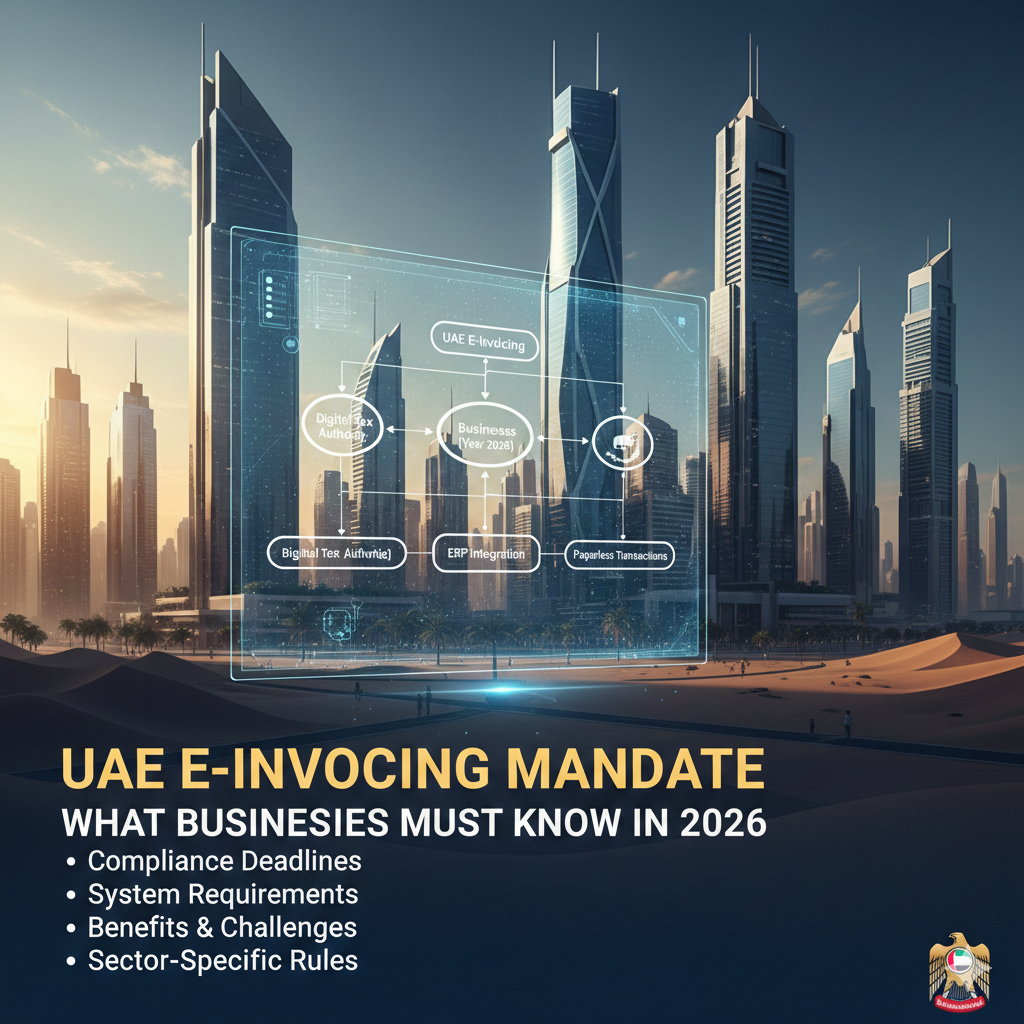
The UAE e-invoicing mandate is becoming one of the most important developments in the country’s digital tax transformation. As the government strengthens transparency and improves tax monitoring, businesses must adapt to the new digital invoicing requirements. The introduction of electronic invoicing is closely connected with the broader tax framework, including UAE corporate tax and e-invoicing requirements, VAT compliance, and digital reporting standards.
The UAE e-invoicing mandate will require businesses to generate and exchange invoices electronically using approved systems. This shift aims to streamline tax reporting, reduce fraud, and create a standardized process for invoicing across industries. Companies operating in the UAE, including those working with international partners such as the USA, must understand how these changes will affect their financial and operational systems.
What is the UAE E-Invoicing Mandate
The UAE e-invoicing mandate refers to the government’s initiative to introduce a structured digital invoicing system for businesses. Under the upcoming UAE e-invoicing law, companies will be required to issue invoices in a standardized electronic format rather than traditional paper or PDF formats.
The framework will operate through regulated platforms that allow invoices to be created, validated, and transmitted digitally. The new UAE e-invoicing regulations aim to ensure accurate reporting and seamless integration with the Federal Tax Authority’s digital infrastructure.
This transformation will impact businesses of all sizes, especially those managing large transaction volumes or cross-border trade.
Key objectives of the mandate include:
· Improving tax transparency and reducing fraud
· Streamlining VAT reporting through UAE VAT e-invoicing systems
· Creating standardized digital invoice formats
· Enabling faster auditing and reporting for the Federal Tax Authority
· Supporting digital transformation across UAE businesses
How the UAE E-Invoicing Framework Works
The upcoming system will rely on international standards and secure digital networks. One of the most important components is UAE PEPPOL e-invoicing, which is based on the global PEPPOL network used for electronic document exchange.
The framework will also incorporate the PINT AE standard, a localized specification designed to ensure compatibility with UAE regulatory requirements. Businesses will be required to generate invoices through an approved e-invoicing system UAE and transmit them through secure channels to buyers and government platforms.
A compliant e-billing system UAE typically includes:
· Automated invoice generation
· Structured invoice data formatting
· Real-time validation
· Secure invoice transmission
· Integration with accounting and ERP platforms
Companies may adopt specialized e-invoicing software UAE or partner with an authorized e-invoicing service provider UAE to manage these processes.
Role of Accredited Providers and Technology Integration
To maintain compliance, businesses may need to work with an accredited e-invoicing provider UAE. These providers offer certified solutions that meet government standards and ensure proper invoice transmission within the regulated network.
In addition to software solutions, many organizations will require e-invoicing integration services UAE to connect their accounting platforms, ERP systems, and billing infrastructure with the government-approved network.
Technology partners can assist businesses with:
· System implementation and configuration
· Integration with financial systems
· Testing and validation of invoice formats
· Compliance monitoring and reporting
· Ongoing technical support
These services are particularly valuable for large enterprises and multinational companies operating across multiple jurisdictions.
Connection Between E-Invoicing and Corporate Tax
The introduction of digital invoicing is closely linked with broader tax reforms, including UAE corporate tax services and stronger compliance frameworks. With electronic records and standardized reporting, authorities will be able to monitor financial transactions more effectively.
Businesses must align their invoicing systems with their tax obligations, including transfer pricing documentation UAE, VAT reporting, and financial disclosures. Companies that maintain proper digital records will find it easier to manage audits and meet UAE corporate tax deadlines.
Many organizations are now working with a corporate tax advisor UAE to ensure their financial reporting systems meet regulatory expectations while supporting efficient tax planning and strategy UAE.
Importance of Compliance for Businesses
Compliance with the UAE e-invoicing mandate is not simply a technical upgrade. It represents a significant shift in how companies manage financial documentation and regulatory reporting.
Businesses must ensure their internal systems support complete e-invoicing compliance UAE and align with broader UAE business regulations compliance requirements.
Key areas of compliance include:
· Using approved digital invoicing platforms
· Maintaining structured invoice data
· Ensuring accurate VAT reporting
· Meeting documentation standards for corporate tax
· Integrating invoicing with financial reporting systems
Companies may also benefit from comprehensive UAE tax compliance services and UAE tax compliance solutions to ensure all regulatory requirements are met.
How Small Businesses Can Prepare
Many entrepreneurs are concerned about how the changes will affect smaller organizations. However, e-invoicing for small businesses UAE is expected to become easier with the availability of cloud-based tools and affordable software platforms.
Business owners looking into how to prepare for UAE e-invoicing should focus on a few essential steps.
Preparation strategies include:
· Reviewing existing billing systems
· Adopting an e-invoicing system UAE compatible with regulatory standards
· Working with a Dubai e-invoicing consultant for implementation guidance
· Training staff on digital invoicing workflows
· Ensuring financial records support corporate tax reporting
Small businesses can also benefit from expert support through e-invoicing services Abu Dhabi and similar advisory services across the country.
Timeline and Future Implementation
The government is gradually introducing the framework through a phased approach. The e-invoicing implementation timeline UAE will likely involve multiple stages including system development, pilot testing, and mandatory adoption.
The early stages will focus primarily on UAE e-invoicing for B2B transactions, which represent a large portion of commercial activity. Over time, the system may expand to include additional transaction types and reporting requirements.
Organizations that begin preparation early will have a significant advantage when the mandate becomes fully operational.
Conclusion
The UAE e-invoicing mandate represents a major step in the country’s digital transformation and tax modernization strategy. By implementing structured digital invoicing systems, the government aims to enhance transparency, streamline VAT reporting, and strengthen compliance across all industries.
For businesses, adapting to the new environment will require updated technology, proper documentation processes, and expert tax guidance. Companies that adopt reliable UAE e-invoicing solutions and integrate them with their financial infrastructure will be better positioned to manage compliance, improve efficiency, and support long-term growth in an increasingly digital economy.
 English
Join our community to interact with posts!