
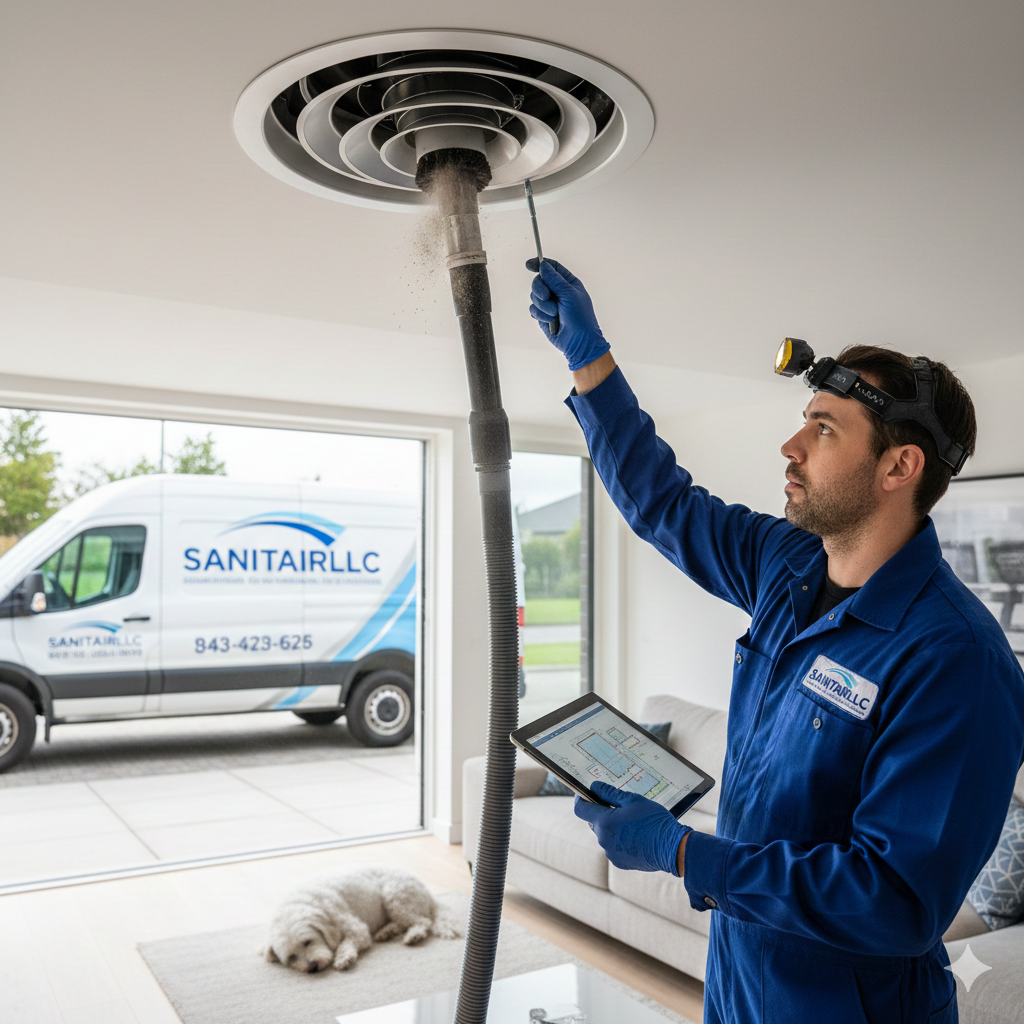
Maintaining a clean home environment requires attention to areas that are often out of sight and out of mind. While most homeowners are diligent about wiping down surfaces and vacuuming floors, the internal components of your climate control system frequently get ignored. Proper AC vent cleaning is a critical maintenance task that directly influences the air you breathe and the efficiency of your cooling system. By focusing on your vents and the broader ductwork, you can reduce dust accumulation, minimize allergens, and potentially extend the lifespan of your HVAC unit.
The Importance of Air Quality and System Efficiency
Your heating, ventilation, and air conditioning system acts as the lungs of your home. It circulates air through a network of ducts to maintain comfortable temperatures, but it also traps various particles along the way. Over time, debris, dust, pet dander, and even mold spores can settle inside these pathways. When you run your cooling system, the airflow picks up these contaminants and distributes them into every room in your house.
Consistent AC vent cleaning helps mitigate this issue by removing the buildup that accumulates near the registers. Beyond the obvious benefit of cleaner air, there is a significant impact on system performance. When dust and debris block your vents, your HVAC system has to work harder to push air through the registers. This increased resistance forces the motor to use more energy, which can lead to higher monthly utility bills and unnecessary wear on mechanical parts. For a technical understanding of how these systems function, refer to this Wikipedia entry on HVAC.
If you notice that your vents look dusty or that your home feels stuffy despite your best cleaning efforts, it may be time to assess the condition of your ducts. Sanitair provides air duct and hvac cleaning services to ensure that the entire distribution system is free from significant blockages. Professional intervention is often recommended when you suspect that debris has traveled deep into the ductwork, where standard household tools cannot reach.
Assessing Your Home for Maintenance Needs
Before jumping into a deep cleaning project, you should inspect your vents to determine the severity of the buildup. Start by walking through each room and removing the vent covers. If you see thick layers of gray dust, lint, or signs of moisture, this is a clear indicator that your system requires attention.
Some indicators that suggest your system needs more than just a surface-level wipe include:
-
Unpleasant odors originating from the vents when the AC is running.
-
Visible mold growth on the vents or near the openings.
-
A noticeable increase in allergy symptoms for household members when the AC is on.
-
Excessive dust settling on furniture shortly after you have finished cleaning.
As noted in recent reports on home maintenance trends, indoor air quality has become a primary focus for many homeowners looking to improve their living environment. Keeping your ventilation pathways clear is a proactive measure that aligns with these professional health standards. You can find more information on current trends in home health by visiting Google News.
When the contamination is widespread, DIY methods may not be sufficient. In such cases, professional technicians are trained to use specialized vacuums and brushes to dislodge stubborn debris from the interior walls of your ducts. Knowing when to call in experts is part of being a responsible homeowner.
Best Practices for Routine AC Vent Maintenance
For those who want to stay on top of regular maintenance, keeping the registers clean is a straightforward process that can be done with basic household items. By incorporating this into your monthly cleaning routine, you can prevent the initial buildup that leads to larger problems.
First, turn off your HVAC system to ensure safety and prevent dust from blowing back into the room while you work. Use a screwdriver to remove the vent covers carefully. Once removed, you can wash them in a sink with warm water and mild soap. This is the most effective way to remove greasy dust that might have adhered to the metal or plastic surfaces over time.
For the duct opening itself, use a vacuum cleaner with a long hose attachment. Gently reach inside the opening to collect loose dust and debris. Avoid using harsh chemicals or abrasive brushes that could damage the interior lining of your ducts. According to standard definitions provided by Google, consistent preventative maintenance is the most effective way to manage the long-term cleanliness and functionality of mechanical air systems.
Remember that while these steps are helpful, they only address the parts of the system you can see. If you find that the dust accumulation persists or returns rapidly, it is a sign that the deeper ductwork may be compromised.
Conclusion and Call to Action
AC vent cleaning is not just about aesthetics; it is about maintaining a healthy, efficient, and comfortable home. By keeping your registers clean and monitoring your system for signs of deeper contamination, you protect your air quality and optimize the performance of your cooling equipment. While routine cleaning is a great DIY task, professional help is essential for comprehensive care.
If you have inspected your vents and realized that the dust and debris go beyond what a vacuum can handle, do not wait for the situation to worsen. Contact a professional team to handle the heavy lifting. Sanitair provides air duct and hvac cleaning services that can restore your system to peak condition, ensuring that your home remains a clean and safe environment for you and your family.
 English
Join our community to interact with posts!