
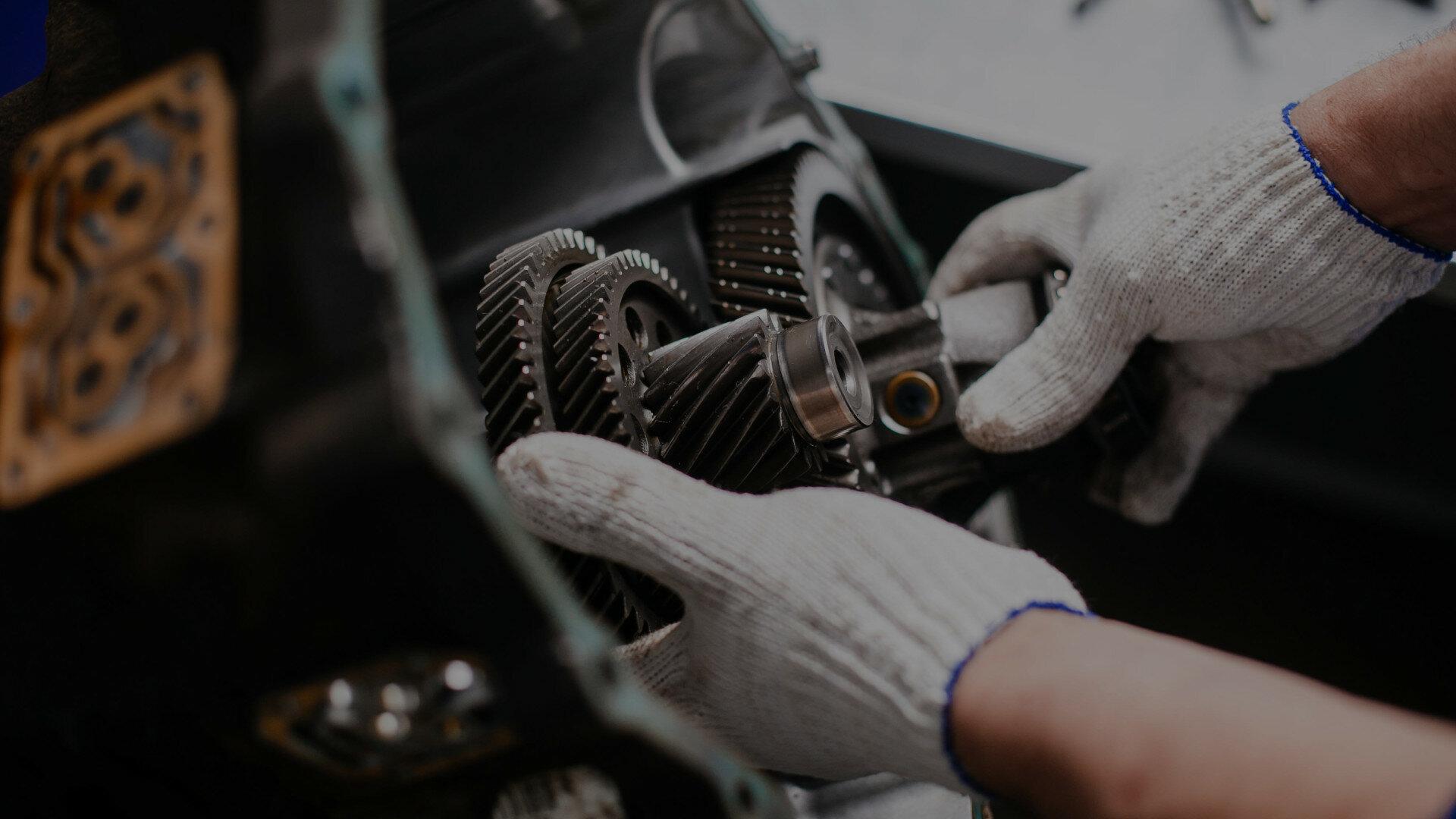
Your car's transmission is a complex and critical mechanical system. It manages power delivery from the engine to the drive wheels. When the transmission develops problems, your vehicle communicates specific warning signs. Recognizing these signs early can save you from major repair expenses.
The Importance of Early Transmission Diagnosis
Houston's driving environment accelerates transmission wear considerably. Heavy traffic, heat, and frequent acceleration and deceleration take a serious toll. Catching transmission problems in their early stages makes a significant financial difference. Early repairs are dramatically less expensive than complete transmission replacement procedures.
Modern transmissions contain hundreds of precision-machined components working together. When one component fails, it often creates additional stress on surrounding parts. A small problem left unaddressed quickly multiplies into a much larger failure. Paying attention to your vehicle's behavior is essential for timely intervention.
Warning Sign 1: Unusual Noises During Gear Changes
Strange noises during shifting are among the earliest transmission warning signs. A healthy automatic transmission shifts smoothly and almost silently during normal operation. Clunking sounds when shifting between drive and reverse indicate developing problems. Whining or humming noises suggest torque converter or bearing issues internally.
Manual transmission vehicles may produce grinding sounds when clutch engagement is problematic. This grinding during gear changes typically indicates clutch wear or synchronizer damage. Ignoring grinding noises accelerates damage to expensive internal transmission components rapidly. Have any unusual shift-related noises inspected by a qualified technician without delay.
Identifying the Type of Transmission Noise
Different noises correspond to different types of transmission problems specifically. A high-pitched whine that increases with vehicle speed often points to bearing wear. A clunking noise specifically during deceleration suggests drivetrain or torque converter issues. Buzzing or vibrating sensations indicate potential valve body or solenoid malfunctions.
Recording the noise using your smartphone can help technicians diagnose the issue. Note exactly when the noise occurs: during acceleration, coasting, or at specific speeds. This information significantly speeds up the diagnostic process for technicians. Accurate symptom description helps mechanics identify the correct repair the first time.
Warning Sign 2: Transmission Fluid on Your Driveway
Finding red or brownish fluid spots beneath your parked vehicle is a serious concern. Transmission fluid leaks signal failing seals, gaskets, or damaged transmission components. Unlike engine oil leaks, transmission fluid leaks do not burn off during operation. Every drop of leaked fluid represents a reduction in transmission protection.
Transmission fluid spots typically appear directly beneath the transmission housing location. The transmission is usually located centrally to slightly rearward under the vehicle. Identifying the approximate leak location helps technicians narrow down the source quickly. Never ignore transmission fluid leaks, regardless of how minor they initially appear.
Consequences of Running Low on Transmission Fluid
Driving with low transmission fluid causes rapid and severe internal damage. Hydraulic pressure drops as fluid level falls below minimum operational requirements. Low pressure prevents clutches from engaging fully and causes slipping symptoms. Continued operation under these conditions destroys friction components within the transmission.
Checking transmission fluid level and condition is a simple preventive measure. Pull the transmission dipstick when the engine is warm and running at idle. The fluid should appear red and transparent, not dark or opaque-looking. Brown or black fluid with a burnt odor requires immediate service attention.
Warning Sign 3: Slipping or Hesitating During Acceleration
Transmission slipping during acceleration is a clear and unmistakable warning sign. The engine revs increase but the vehicle fails to accelerate proportionally with engine speed. This disconnect between engine output and vehicle movement indicates clutch engagement failure. The transmission is momentarily losing its grip on the engine's power output.
Houston stop-and-go traffic makes slipping especially dangerous for local drivers. Attempting to merge or accelerate onto freeways with a slipping transmission is hazardous. Other drivers expect consistent and predictable acceleration from vehicles around them. Erratic acceleration caused by transmission slipping creates real safety risks on busy roads.
Hesitation When Shifting from Park to Drive
A noticeable pause before the transmission engages after shifting into drive is concerning. This hesitation, even if brief, indicates a developing hydraulic or mechanical issue. Fresh and properly functioning transmissions engage almost instantly after gear selection. Any delay beyond one second warrants professional inspection and diagnostic evaluation.
This symptom is particularly common in Houston vehicles exposed to extreme heat. Heat-degraded fluid loses its viscosity and hydraulic effectiveness over time. The weakened fluid cannot build pressure quickly enough for immediate clutch engagement. A fluid change sometimes resolves this symptom, but underlying causes must also be addressed.
Warning Sign 4: Check Engine or Transmission Warning Lights
Modern vehicles monitor transmission performance through numerous electronic sensors. These sensors detect abnormal operating conditions and report them to the vehicle's computer. When the computer detects a fault, it illuminates the check engine or transmission warning light. Never dismiss these warning lights as minor inconveniences to be addressed later.
Transmission-related fault codes stored in the computer's memory provide diagnostic clues. Codes related to solenoid performance, speed sensor failures, and temperature issues are common. A technician with proper diagnostic software can read these codes accurately and quickly. Understanding the specific fault code directs the repair process toward the actual problem.
The Difference Between Check Engine and Transmission Lights
Some vehicles have a dedicated transmission warning light separate from the check engine light. A dedicated transmission light indicates a more serious and immediate concern typically. The check engine light can illuminate for hundreds of different reasons across multiple systems. However, transmission-related check engine codes still require prompt professional attention.
Resetting warning lights without addressing the underlying cause is never appropriate. The light will return once the vehicle's computer detects the fault again. Addressing the root cause is the only way to permanently extinguish these warning lights. Shops specializing in transmission repair Houston accurately diagnose and resolve these fault codes.
Warning Sign 5: Burning Smell During or After Driving
A burning smell after driving in heavy Houston traffic is a serious warning sign. This smell typically indicates that transmission fluid has overheated beyond safe operating temperatures. Overheated fluid loses its lubricating and protective properties almost immediately. Continued driving after detecting a burning smell risks catastrophic transmission damage.
Pull over safely and allow the vehicle to cool down if a burning smell is detected. Check transmission fluid level once the vehicle has sufficiently cooled down. If the fluid appears dark and smells burnt, do not continue driving long distances. Have the vehicle transported to a qualified transmission specialist for immediate evaluation.
Warning Sign 6: Difficulty Shifting Into Specific Gears
Difficulty engaging specific gears indicates both mechanical and hydraulic transmission problems. An automatic transmission refusing to engage reverse is particularly alarming and urgent. Problems shifting into park can also leave your vehicle unsecured on Houston's hilly streets. Any gear engagement difficulty requires immediate professional diagnostic attention.
Manual transmission vehicles may have difficulty engaging first or reverse gears specifically. This difficulty often indicates clutch hydraulic system problems or synchronizer wear. A grinding feeling when forcing the gear into position confirms internal mechanical damage. Do not force a manual transmission into gear when it resists normal engagement.
Taking Action on Transmission Warning Signs
Observing even one of these warning signs warrants a prompt inspection appointment. Waiting to see if the problem resolves itself never works with transmission issues. Problems consistently worsen over time without professional intervention and repair. The cost difference between early and late intervention is always substantial.
Document when each symptom first appeared and under what driving conditions. Note whether symptoms occur during cold starts, hot operation, or at specific speeds. This information helps technicians reproduce the problem during their diagnostic road test. Accurate symptom documentation speeds up diagnosis and reduces overall repair costs significantly.
 English
Join our community to interact with posts!