
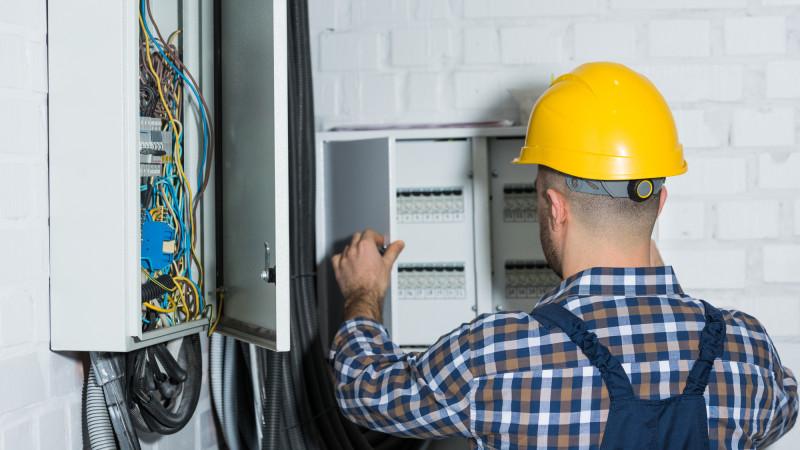
Facility management is a complex discipline. It involves maintaining every system in a building. Electrical systems are among the most critical. Without proper electrical management, operations can halt. Safety risks also increase significantly. This is where specialized expertise becomes essential.
Understanding Facility Electrical Demands
Modern commercial facilities consume enormous amounts of power. They run HVAC systems, lighting, machinery, and networks. Each system requires consistent, reliable electrical support. Facility managers must ensure everything works seamlessly. Electrical failures can cost businesses thousands per hour. Prevention is always better than emergency repairs.
The Complexity of Commercial Electrical Systems
Commercial buildings have far more complex wiring than homes. They operate on three-phase power systems. These systems support heavy industrial and commercial loads. Switchgear, transformers, and distribution panels are involved. Each component must be maintained regularly. One failure can cascade into larger problems quickly.
Core Responsibilities in Facility Management
A Commercial Electrician handles a wide range of facility tasks. Their role extends beyond simple repairs. They are strategic partners in building operations. Their work ensures continuity and safety daily.
Electrical System Installation and Upgrades
New facilities require complete electrical installations. Existing buildings often need system upgrades. Outdated wiring cannot handle modern power demands. Electricians assess current capacity and recommend upgrades. They install panels, conduits, breakers, and wiring. Everything must comply with the National Electrical Code.
Routine Maintenance and Preventive Care
Routine maintenance prevents unexpected breakdowns. Electricians inspect connections, circuits, and load panels. They test breakers for proper operation. Loose connections are tightened before they cause arcing. Thermal imaging helps detect hotspots early. This preventive approach saves facilities significant repair costs.
Emergency Repair and Rapid Response
Electrical emergencies happen without warning. A tripped breaker might seem minor at first. But it can signal a deeper wiring issue. Commercial electricians respond quickly to emergencies. They diagnose problems with precision and speed. Fast response minimizes operational downtime significantly.
Energy Efficiency and Cost Reduction
Facility managers are under constant pressure to cut costs. Energy consumption is a major operational expense. Electricians help reduce this burden strategically. They recommend energy-efficient lighting systems. LED retrofits dramatically lower electricity bills. They also install smart controls and occupancy sensors.
Power Factor Correction
Poor power factor wastes electricity and money. It also strains electrical equipment unnecessarily. Commercial electricians assess power factor regularly. They install capacitor banks to correct inefficiencies. This results in lower utility bills over time. It also extends the life of equipment considerably.
Load Balancing Across Circuits
Unbalanced loads cause equipment wear and inefficiency. Electricians redistribute loads across circuits evenly. This ensures no single circuit becomes overloaded. It also improves overall system stability. Balanced systems operate more efficiently for years. Consistent performance reduces long-term maintenance costs.
Compliance and Code Adherence
Commercial facilities must meet strict electrical codes. Local, state, and federal regulations apply. Non-compliance results in fines and shutdowns. It also creates serious safety liabilities. Electricians stay current with all code changes. They ensure every installation meets required standards.
Permit Acquisition and Inspections
Major electrical work requires permits. Electricians manage the permit process professionally. They schedule inspections with local authorities. Inspectors verify work meets code requirements. Approved work is documented for facility records. This protects the business legally and financially.
Fire Safety and Electrical Hazard Prevention
Electrical fires are a leading cause of property damage. Faulty wiring and overloaded circuits are common culprits. Electricians identify and eliminate these hazards. They install arc fault circuit interrupters where required. Ground fault protection is added in wet areas. Fire prevention is a core part of their service.
Technology Integration in Modern Facilities
Technology is transforming commercial facility management. Smart building systems are increasingly common. Electricians must understand these technologies deeply. They integrate building automation systems with electrical infrastructure. This includes lighting controls, security systems, and HVAC integration. Seamless integration improves efficiency and comfort.
EV Charging Station Installation
Electric vehicles are becoming more common in commercial fleets. Businesses must accommodate employees and customers. Electricians design and install EV charging stations. They assess power requirements and upgrade panels if needed. Proper installation ensures fast and safe charging. It also future-proofs the facility for growing demand.
Backup Power and Generator Systems
Power outages disrupt critical business operations. Backup generators provide essential continuity. Electricians install automatic transfer switches. These switches detect outages and activate generators instantly. They also perform regular generator testing and maintenance. Reliable backup power protects revenue and reputation.
Collaboration With Facility Management Teams
Electricians do not work in isolation. They collaborate closely with facility management teams. Communication is key to smooth operations. They provide detailed reports after every inspection. Issues are documented with recommended solutions. This helps managers make informed decisions faster.
Long-Term Electrical Planning
Effective facility management requires long-term planning. Electricians help forecast future electrical needs. They assess aging infrastructure and plan replacements. Capital expenditure budgets benefit from their expertise. Planned upgrades are far less expensive than emergency fixes. Strategic planning extends facility life considerably.
Safety Culture and Training
A strong safety culture protects workers and assets. Electricians contribute to this culture actively. They follow lockout/tagout procedures precisely. Personal protective equipment is always used appropriately. They also train facility staff on electrical safety basics. Awareness reduces accidents and liability significantly.
OSHA Compliance and Workplace Safety
OSHA sets strict electrical safety standards for workplaces. Commercial electricians are trained in OSHA requirements. They identify violations before inspectors arrive. Corrective actions are taken promptly and thoroughly. Compliance protects employees from injury and businesses from fines. Safety is never treated as optional.
Choosing the Right Electrical Partner
Not all electricians are equal in skill. Facility managers should choose partners carefully. Look for licensed, insured, and experienced professionals. Ask about their experience with similar facilities. References and reviews provide valuable insight. A reliable partner reduces stress and operational risk.
Building a Long-Term Service Relationship
Consistency matters in facility electrical management. A long-term service relationship offers many benefits. The electrician learns your specific system inside out. Response times improve as familiarity grows. Preventive maintenance becomes more tailored and effective. Trust built over time delivers compounding value.
Conclusion
The role of a commercial electrician in facility management is indispensable. They keep buildings safe, compliant, and efficient. Their expertise spans installation, maintenance, and technology integration. Facilities that invest in quality electrical service perform better. They face fewer disruptions and lower long-term costs. Partnering with the right electrical professional is a smart business decision.
 English
Join our community to interact with posts!