
A factory robot pauses for half a second before reacting to a sensor alert. That delay might sound trivial, yet in automated manufacturing, milliseconds can determine whether a product meets quality standards—or ends up discarded. Latency matters. And increasingly, organizations are realizing that sending every piece of data to distant servers for processing simply isn’t fast enough.
This is where Edge AI Solutions with AWS have started gaining serious attention. Instead of relying solely on centralized cloud systems, intelligence is pushed closer to the devices producing data—cameras, industrial machines, retail sensors, even medical equipment. The result? Faster decisions, reduced bandwidth strain, and systems that feel almost instinctive in their responses.

Still, the conversation isn’t simply “edge versus cloud.” It’s more nuanced than that.
Understanding the Core Difference Between Edge AI and Cloud AI
At its simplest, the distinction comes down to where the computation happens.
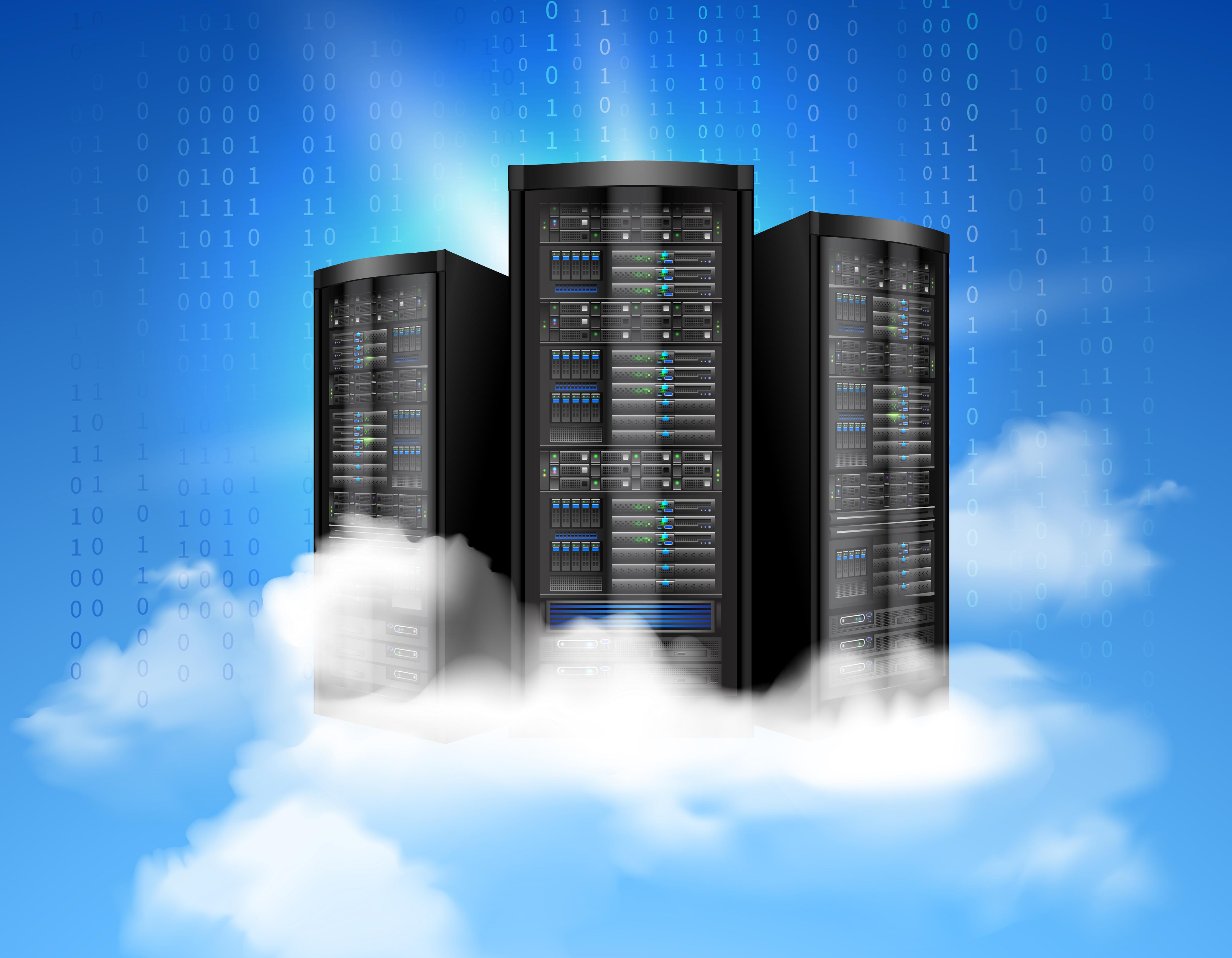
Cloud AI processes data in centralized data centers. Devices collect information—images, sensor readings, logs—and transmit it across networks to powerful servers. Those servers analyze the data using machine learning models and send results back.
Edge AI, on the other hand, performs analysis locally, right where the data originates.
Think of it like this: cloud AI behaves like a distant expert consultant. Smart, capable, but sometimes slow to respond because communication takes time. Edge AI resembles a trained technician standing next to the machine. Not always as powerful computationally, but dramatically faster at reacting.
That speed difference is precisely why industries dealing with real-time data have begun shifting strategies.
The Latency Problem No One Talks About Enough
Most cloud systems work brilliantly for large-scale analytics—training models, storing datasets, running complex simulations. But real-world environments introduce something less glamorous: network delays.
Consider a security camera analyzing suspicious activity in a crowded airport. Sending every video frame to a remote server for analysis introduces delay. Even a one-second lag could matter.
Edge AI changes that dynamic.
Processing occurs on local devices or nearby gateways. Alerts trigger instantly. Data can still be uploaded later for deeper analysis, but the critical decisions happen immediately.
Strange, but true—speed sometimes matters more than sheer computational power.
Why AWS Edge Infrastructure Is Accelerating Adoption
Not long ago, deploying edge intelligence required complicated custom systems. Companies needed specialized hardware, bespoke software frameworks, and networking configurations that few teams truly understood.
AWS introduced tools that bring cloud capabilities closer to the physical world—technologies like IoT edge services, local machine learning inference, and distributed compute environments. Suddenly, the edge was no longer a disconnected island. It became part of the same ecosystem developers already used.
That familiarity matters. Engineers can deploy machine learning models from cloud training pipelines directly to edge devices without rewriting entire workflows.
Less friction. Faster adoption.
Real-World Scenarios Driving Edge AI Growth
The demand for edge intelligence rarely comes from theoretical advantages. It usually begins with a practical problem.
Smart Manufacturing
Modern factories generate enormous volumes of sensor data. Cameras inspect product quality while machines monitor vibration, temperature, and pressure. Sending all that information to remote servers is expensive and slow.
Edge AI enables local defect detection. Faults get flagged instantly. Production continues smoothly.
Autonomous Systems
Drones, autonomous vehicles, and robotics operate in environments where network connectivity isn’t guaranteed. Decision-making must happen locally.
An autonomous robot waiting for a cloud response before avoiding an obstacle? That scenario quickly becomes unsafe.
Retail Analytics
Retailers increasingly use in-store cameras and sensors to analyze customer movement, shelf inventory, and checkout flow.
Edge processing allows insights without streaming massive video feeds to centralized servers. Privacy improves. Bandwidth costs shrink.
But Cloud AI Isn’t Going Anywhere
Some discussions frame edge technology as a replacement for cloud computing. That’s misleading.
Training machine learning models still requires massive computational resources. Cloud environments remain unmatched in that area. Massive datasets, distributed GPUs, scalable storage—those capabilities simply belong in centralized infrastructure.
The more realistic architecture looks hybrid.
Edge devices perform real-time inference, while cloud platforms handle training, model optimization, and long-term analytics. The two layers complement each other rather than compete.
Interestingly, this hybrid approach is becoming the default design pattern for AI deployments.
Data Privacy and Bandwidth: Quiet Advantages of Edge AI
Another reason organizations are embracing edge solutions has little to do with speed.
It’s about control.
Sensitive data—medical images, industrial telemetry, surveillance footage—doesn’t always need to travel across networks. Processing locally reduces exposure risk and helps organizations comply with privacy regulations.
Bandwidth savings also add up quickly. Streaming high-resolution video to cloud servers can become expensive at scale.
Edge systems filter and process data first, sending only meaningful insights upstream.
Efficiency improves. Costs drop.
Simple math.
The Strategic Role of Cloud Providers in Edge AI
Edge computing might sound decentralized, yet cloud providers remain central to the ecosystem.
Infrastructure platforms offer deployment tools, monitoring systems, device management, and machine learning pipelines that make edge environments practical at scale. Without those centralized control layers, managing thousands of edge devices would become chaotic.
That’s why many organizations partner with an AWS Managed Cloud Service Provider to design hybrid AI architectures that connect edge hardware with scalable cloud infrastructure. These partnerships often simplify implementation while ensuring systems remain secure and maintainable over time.
In other words, the cloud still orchestrates the orchestra—even if some musicians now play closer to the audience.
The Future: Intelligence Everywhere
The direction of AI infrastructure seems increasingly clear. Data is exploding in volume, devices are multiplying, and real-time decision making is becoming essential.
Processing everything in centralized data centers simply doesn’t scale forever.
Edge AI offers a practical adjustment. Not a revolution exactly. More like a redistribution of intelligence—pushing analytics outward, closer to the environments where data is born.
Factories, cities, hospitals, transportation networks. Each generating information continuously.
And increasingly, analyzing it on the spot.
Quietly, almost invisibly, computing is moving to the edge.
 English
Join our community to interact with posts!