
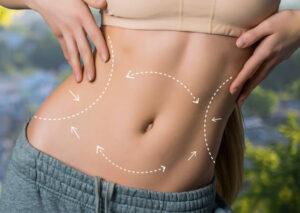
The journey to a refined silhouette does not end when you leave the operating room; in many ways, the final sculpting happens during the weeks that follow. For those undergoing Liposuction in Dubai, the use of medical-grade compression garments is one of the most critical factors in determining the quality of the final result. While the surgery removes the fat, it is the compression that dictates how the skin settles and how the body manages the natural healing response. Understanding the mechanical and biological role of these garments is essential for any patient committed to achieving a smooth, flat, and well-defined outcome.
The Biological Role of Compression in Liposuction in Dubai
After fat is extracted, a small space is created between the skin and the underlying muscle. The body’s natural response to this "void" is to fill it with inflammatory fluid, commonly known as edema. While some swelling is a healthy part of the repair process, excessive fluid buildup can lead to discomfort and may interfere with the skin’s ability to adhere properly to the muscle. Compression garments provide the necessary external pressure to minimize this fluid accumulation, allowing the body to process the post-operative changes more efficiently.
In our clinical experience, the first few weeks are a period of high "tissue plasticity." What patients typically report during recovery is that the garment provides a sense of security and support, making movement more comfortable. By keeping the tissues stabilized, the garment prevents the mechanical "shifting" of the skin, ensuring that as the swelling subsides, the results are symmetrical and the contours remain crisp.
The Mechanism: How Pressure Optimizes Skin Retraction
The mechanical success of compression lies in its ability to act as a temporary "scaffold" for the skin. By applying uniform, constant pressure, the garment encourages the skin to "shrink-wrap" over the new, slimmer volume of the body. This is particularly important in areas where larger volumes of fat were removed, as the skin needs a guide to help it retract evenly without creating "waves" or irregularities.
Furthermore, compression aids the lymphatic system—the body's internal drainage network. By assisting the movement of fluids out of the treated zones, the garment helps reduce the duration of visible bruising and localized firmness. This partnership between the garment's external pressure and the body’s internal healing mechanisms is what allows the high-definition results of Liposuction in Dubai to be fully realized and maintained.
The Purpose and Clinical Goals of the "Garment Rule"
The primary purpose of the "garment rule" is the prevention of complications like seromas (pockets of fluid) and hematomas. By keeping the space between the skin and muscle closed, the garment reduces the risk of fluid pockets that could otherwise require clinical drainage. The clinical goal is a smooth, uninterrupted healing process where the patient experiences minimal downtime and maximal aesthetic refinement.
Additionally, the purpose of the garment is to support the vascular system. During the early stages of recovery, the blood vessels in the treated area are remodeling. The gentle pressure of the garment helps maintain stable blood flow and reduces the risk of clot formation, which is a vital safety pillar of any surgical aftercare plan. The goal is to provide a healing environment that is as safe as it is effective.
Key Benefits of Consistent Compression Usage
-
Reduced Swelling: Significantly speeds up the resolution of post-operative edema.
-
Smooth Skin Texture: Minimizes the risk of rippling or uneven skin retraction.
-
Enhanced Comfort: Provides internal stability and reduces the "tugging" sensation during movement.
-
Defined Contours: Helps the skin mold perfectly to the newly revealed muscle lines.
Who Needs Medical-Grade Compression?
Every patient undergoing surgical fat removal requires compression, but the type and duration depend on the extent of the procedure. We look for patients who are committed to wearing their garments 24/7 for the first several weeks. Those with lower skin elasticity or those who have undergone multi-zone procedures—such as "Lipo 360"—will require more extensive support to ensure the larger surface areas heal evenly.
During the consultation, we provide a personalized fitting for your garments. Medical-grade compression is different from standard "shapewear"; it is designed with specific pressure gradients that promote circulation rather than restricting it. We prioritize your safety by ensuring that the garment fits snugly enough to be effective but comfortably enough to allow for healthy blood flow and breathing.
The Step-by-Step Garment Roadmap
-
Immediate Application: The garment is applied in the operating room to stabilize the area from minute one.
-
The 24/7 Phase (Weeks 1-3): The garment is worn at all times, except during showering, to maximize skin adherence.
-
The Transition Phase (Weeks 4-6): Most patients move to wearing the garment only during the day or at night as the swelling stabilizes.
-
Size Adjustment: As the swelling resolves and the body thins, a smaller garment may be required to maintain effective pressure.
-
Activity Support: During the return to exercise, the garment provides essential support to the healing tissues.
-
The Big Reveal: Once the garment is no longer needed, the skin is fully settled and the final contours are established.
Zone-Specific Compression Requirements
| Body Region | Compression Style | Primary Clinical Goal |
| Abdomen/Waist | High-waist binder or bodysuit | Creating a flat, firm midsection and narrow waist. |
| Chin/Neck | Specialized chin strap | Sharpening the jawline and preventing submental fluid. |
| Thighs | Compression leggings | Streamlining the leg profile and reducing lower edema. |
| Upper Arms | Compression sleeves | Ensuring the skin tightens around the triceps and biceps. |
| Male Chest | Compression vest | Achieving a flat, firm masculine chest profile. |
Understanding the Complexity of the Healing Curve
Recovery is not a linear process; it involves a "healing curve" where swelling may fluctuate depending on your activity level and hydration. The complexity of managing this phase is why the compression garment is so vital. It acts as a constant, stabilizing force throughout these fluctuations. In our clinical experience, patients who are diligent with their compression enjoy a much more predictable and "smooth" recovery curve.
The investment in high-quality, medical-grade garments is an investment in the final look of your surgery. While it requires a period of adjustment, most patients find that the sense of support and the visible improvement in their shape make the process highly rewarding. We provide a clear clinical rationale for the specific compression plan we design for your unique transformation.
Safety Standards and Garment Maintenance
Safety is maintained by ensuring the garment is clean and properly positioned at all times. We provide instructions on how to care for your garment to prevent skin irritation or infections at the micro-incision sites. Common side effects like temporary skin itching or a feeling of "tightness" are normal and can often be managed with specialized skin-soothing products recommended by our team.
To ensure the best safety profile, it is important to avoid folding or bunching the garment, as this can create uneven pressure and potentially cause skin indentations. By following our detailed guidance on how to wear and adjust your support gear, you maximize the health of your skin and the quality of your result. In our clinical experience, the most successful patients are those who treat their compression as a vital part of their surgical treatment.
Maintaining Your Results Beyond the Garment
Once the compression phase of your Liposuction in Dubai is complete, your new silhouette is a permanent foundation. However, the skin health you achieved through compression should be maintained through a lifestyle of hydration and balanced nutrition. While the garment did the heavy lifting during the healing phase, your daily habits will protect those results for the long term.
Many patients find that the discipline of the recovery phase—including the garment use—provides a powerful psychological boost for their overall wellness journey. When you see the crisp, flat results that compression helped create, staying active and healthy becomes a natural and joyful part of your life. Your new proportions are a lifelong asset that you have worked hard to achieve.
Conclusion
Post-operative compression is the final brushstroke in the art of body contouring. By providing the necessary support and pressure, these garments ensure that your body heals into the exact shape envisioned during your surgery. The goal is to provide a result that is medically safe, aesthetically smooth, and uniquely yours.
The first step toward a successful transformation is understanding every part of the journey, including the aftercare. Learn if this treatment is right for your lifestyle by connecting with the professional team at Tajmeels Clinic to discuss your roadmap.
 English
Join our community to interact with posts!