
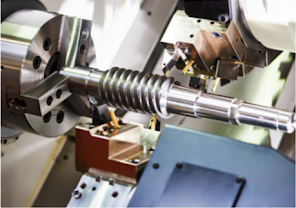
If you’ve ever had to hit insanely tight tolerances on small parts, you already know it’s not fun. Things go wrong fast. Parts deflect, tools chatter, scrap piles up. And yeah, tolerances that looked easy on paper suddenly aren’t. Somewhere in that mess, Swiss type turning usually comes up. Not right away, but it always shows up. Because the truth is, when precision gets serious, you need a process that’s built for it, not forced into it.
What Makes Tight Tolerances So Hard Anyway?
Let’s be real. Tight tolerances sound simple, just “be more precise,” right? But in machining, that’s a whole different story. You’re dealing with tiny diameters, long, slender parts, and materials that flex when you even look at them wrong. Add heat, vibration, tool wear… it stacks up quick. One small shift, and you’re out of spec. Scrap. Start over. Conventional lathes? They can do decent work. But push them into ultra-tight territory and things start slipping. Literally.
How Swiss Type Turning Changes the Game
Here’s where it clicks. Swiss machines support the workpiece right near the cutting tool using a guide bushing. That’s the big deal. Not flashy, but it matters. Instead of the material hanging out unsupported, it’s held tight. Shorter distance between support and cut. Less deflection. That alone fixes a lot of problems. The short answer is: more stability equals better accuracy. Simple, but yeah, it works.
Support Right Where It Matters
Think about cutting a long, skinny shaft. On a regular lathe, the further you move from the chuck, the more the part wants to flex. You can fight it, sure, tailstocks, steady rests, but it’s never perfect. Swiss setups don’t fight it. They avoid it.
The guide bushing keeps the material stable right at the cutting zone. So instead of chasing errors, you prevent them. Big difference. And honestly, once you see it in action, it’s hard to go back.
Consistency Over Long Production Runs
One part being perfect is nice. But what about part #500? Or #5,000? That’s where things usually fall apart. Tool wear creeps in, heat builds up, and tolerances drift. You start chasing offsets every hour. Not ideal. Swiss machines hold consistency better over time. Because the setup is inherently stable, you’re not constantly correcting. Less babysitting. More predictable output. Shops love that. Operators, too, if we’re being honest.
Where Swiss Machining Really Shines
Midway through any serious precision job, someone mentions Swiss machining. Not as a trend, but as a solution. Medical parts, aerospace components, tiny connectors, watch parts, stuff where “close enough” doesn’t cut it. You’re talking microns sometimes. That’s not forgiving work. Swiss systems handle those applications better because they’re designed for small, complex geometries. Not adapted. Designed. There’s a difference, and you feel it when you’re trying to hit repeatable tolerances all day.
Complex Parts Without Losing Accuracy
Here’s another thing. Tight tolerance parts aren’t just small, they’re usually complicated. Grooves, threads, cross holes, weird features packed into tiny spaces.
Trying to machine all that without losing accuracy? Yeah, good luck with standard setups. Swiss machines can run multiple tools in sequence, often in one setup. Less repositioning, fewer chances for error. It’s not magic, but it cuts down the variables. And fewer variables usually mean fewer mistakes.
Reduced Waste (Because Scrap Hurts)
Nobody likes scrap. It wastes time, material, money, everything. When you’re working with expensive alloys or high-volume runs, scrap gets painful fast. Swiss turning helps reduce that. Not eliminate it, nothing does, but it lowers the risk. Better support, cleaner cuts, tighter control. Parts come out right more often. And yeah, that matters more than people admit.
Is It Always the Right Choice?
Alright, let’s not pretend it’s perfect for everything. Swiss machines aren’t cheap. Setup can be tricky. Not every shop needs one. If you’re running big, simple parts with loose tolerances, this probably isn’t your move. But if you’re dealing with small diameters, tight specs, high precision… it starts making a lot of sense. The kind of sense that saves jobs from going sideways.
Conclusion
 English
Join our community to interact with posts!