
Buying magazines sounds simple. It’s not. Not really.
You go online, start searching for Glock 19 mags for sale, and suddenly you’re staring at a dozen sizes, materials, generations, and weird compatibility notes. Some fit. Some kinda fit. Some don’t, even though they look the same. It gets messy fast.
And yeah, magazines are one of those things people overlook… until they don’t work right. Then suddenly it’s a problem.
So let’s slow it down a bit. No fluff. Just real talk about sizes, types, and what actually works together.
Understanding Glock 19 Magazine Sizes
The standard magazine size is where most people start. That’s the 15-round version. It’s what the pistol was built around, what fits flush, what feels balanced in the hand.
But that’s not the whole story.
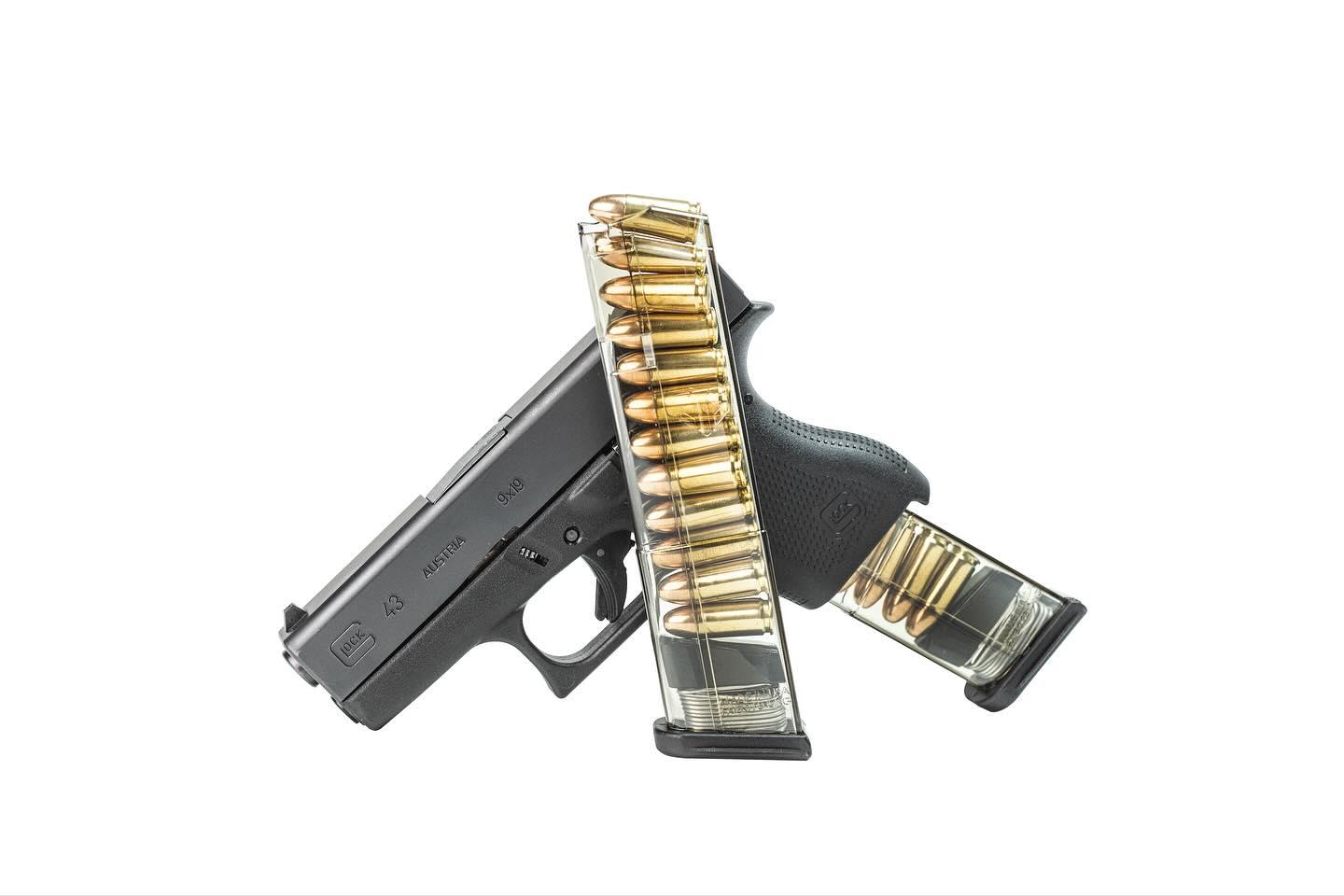
You’ve got extended options. Seventeen rounds, nineteen, even more depending on what you’re running. And here’s the thing—those larger magazines weren’t originally made for the compact frame, but they still work. Most of the time.
A longer magazine sticking out of a compact grip looks a little off, yeah. But function matters more than looks. Extra capacity can make sense, especially if you’re not worried about concealment.
Still, bigger isn’t always better. A longer mag can shift weight, change how the gun handles, even affect how it prints if you’re carrying it. It’s a trade-off. Always is.
And then there’s restricted capacity versions in some places. Ten rounds. Same body sometimes, sometimes not. Depends on how it’s built.
So when you’re browsing, don’t just look at capacity. Think about how you actually use the gun. Range, carry, home. Different setups make sense for different situations.
Different Types of Glock 19 Magazines
Not all magazines are built the same. People assume they are, but there’s variation.
Some are the classic polymer-over-metal design. Tough, reliable, kind of the standard. Others lean heavier into steel. Those feel different. More rigid. Sometimes heavier than you expect.
Then you’ve got aftermarket designs. Some are fine. Some are… questionable. Tolerances matter here. A mag that’s slightly off can cause feeding issues, and that’s the kind of problem you don’t want to discover late.
There are also magazines with extended base plates. Those add capacity without changing the whole body. They’re popular, and yeah, they work—but only if installed right. A loose base plate? Not good.
And older generations still float around. They might work in newer pistols, or they might not lock in properly. Depends on the cutouts and design tweaks. Small details, but they matter more than people think.
So yeah, types aren’t just about looks or price. It’s about how they function under pressure.
Compatibility Isn’t Always Obvious
This is where things get a little confusing.
You’d think a magazine designed for one model would just work across similar ones. Sometimes it does. Sometimes it doesn’t.
Compact pistols can usually accept magazines from larger versions. That part is easy. A bigger mag will fit into a smaller frame. It just sticks out. No big deal.
The opposite? Not happening. A smaller magazine won’t properly fit into a larger grip. It won’t seat correctly. That’s just how the geometry works.
Generational differences also play a role. Minor changes in magazine release cuts, follower design, even the internal spring can affect compatibility. Most newer mags are designed to work across multiple generations, but older ones… hit or miss.
And then there’s wear. A worn-out magazine can act like it’s incompatible even when it technically isn’t. Weak springs, damaged feed lips, dirt buildup. Stuff people forget to check.
So if something doesn’t work, don’t immediately assume it’s the wrong mag. Sometimes it’s just a tired one.
Why Quality Matters More Than Price
It’s tempting to go cheap. Everyone does it at least once.
You see a deal, stack up a bunch of magazines, feel like you saved money. Then one starts failing. Then another. Suddenly the savings don’t feel so great.
Magazines are consumable. They wear out over time, sure. But quality ones last longer, feed better, and give you fewer headaches.
Cheap ones can work fine at the range. Casual use, slow pace. But push them harder, and the issues show up. Feeding problems, failure to lock back, inconsistent performance.
And honestly, the difference isn’t always obvious at first. It creeps in. That’s what makes it annoying.
So yeah, price matters, but reliability matters more.
Loading Matters Too (More Than You Think)
This part gets overlooked a lot.
People focus on the magazine itself, but not how they load it. Bad loading can mess with performance, especially with higher capacity mags.
That’s where tools come in. If you’ve ever tried stuffing rounds into a stiff magazine, you know what I mean. It’s not fun.
Some folks use tools like the best glock speed loaderss to make things easier. And honestly, it helps. Not just for comfort, but consistency. Properly seated rounds, less strain on your thumbs, fewer mistakes.
You don’t need one. But once you use one, it’s hard to go back.
And yeah, loading technique matters too. Rushing it, forcing rounds in at weird angles… that can cause issues later. Slow down a bit. Do it right.
Maintenance Gets Ignored (Until It Doesn’t)
Magazines aren’t maintenance-free. People act like they are.
Dust, debris, carbon buildup—it all finds its way inside eventually. Especially if you’re using them regularly.
Taking them apart isn’t complicated. Wipe them down, check the spring, inspect the follower. It doesn’t take long.
But most people don’t do it. Not until something goes wrong.
And when it does, it’s usually at the worst time.
Regular cleaning won’t make a bad magazine good, but it will keep a good one running longer. That’s worth something.
Choosing the Right Setup for You
There’s no perfect setup. Just the one that fits your needs.
If you’re carrying, you probably want something flush-fitting. Easier to conceal, more comfortable. Makes sense.
If you’re at the range, extended mags are fine. More shooting, less reloading—especially if you’re using the best Glock speed loaders to keep things quick and hassle-free. Simple.
Home use? That’s a mix. Some prefer standard, some go extended. Depends on what feels right.
The mistake people make is copying someone else’s setup without thinking it through. What works for one person might not work for you.
Try different options if you can. See what feels natural. What runs smoothly. What doesn’t.
Conclusion
Magazines don’t get the attention they deserve. They should.
They’re not just accessories. They’re part of the system. And when they fail, everything else kind of falls apart with them.
So yeah, when you’re looking at Glock 19 mags for sale, don’t rush it. Pay attention to size, type, compatibility. Think about how you actually use your setup, not just what looks good on paper.
A little extra effort upfront saves a lot of frustration later.
And honestly, that’s the goal. Less frustration. More reliability. Just gear that works when it’s supposed to.
 English
Join our community to interact with posts!