
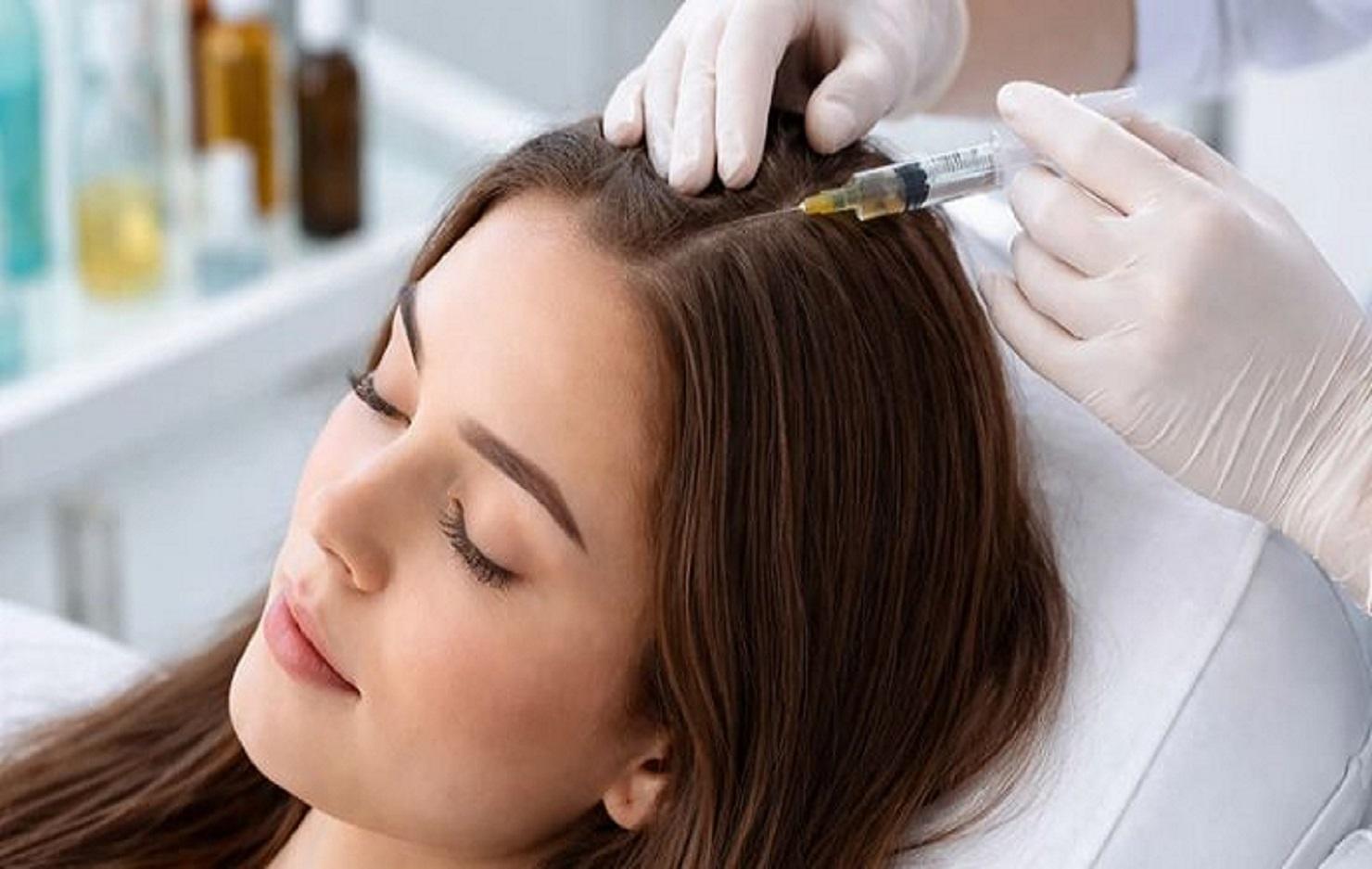
The success of a hair restoration procedure is determined as much by the hours following the surgery as by the surgery itself. A Hair Transplant in Dubai is a significant clinical investment, and the recovery phase is the bridge between the medical procedure and the final aesthetic result. Managing the scalp environment correctly ensures that the delicate follicular units anchor firmly, receive adequate blood supply, and remain free from external stressors that could compromise their survival.
Defining Post-Operative Care for Hair Transplant in Dubai
In a clinical context, post-operative care refers to the management of the scalp's healing response and the protection of newly implanted grafts. In our clinical experience, the first 48 to 72 hours represent a "critical window" where the follicles are not yet physically anchored by internal tissue. During a Hair Transplant in Dubai, thousands of microscopic incisions are made; while these heal rapidly, they require a sterile and undisturbed environment to prevent mechanical dislodgment or infection.
The primary goal of aftercare is to facilitate the transition of the graft from a state of "suspended animation" in a holding solution to a state of active integration within the recipient site. This involves a strict regimen of hydration, specialized cleansing, and physical restrictions designed to protect the integrity of the hair bulbs during their most vulnerable phase.
The Physiological Mechanism of Graft Anchoring
The biological mechanism of recovery is centered on fibrin formation and neovascularization. Fibrin acts as a natural "biological glue" that begins to secure the graft within the first 24 hours. Following this, the body initiates the growth of new capillaries that penetrate the graft, a process that typically completes within five to seven days. What patients typically report during recovery is a slight "crusting" at the site of each graft; these are protective scabs that shield the underlying healing tissue.
If a patient accidentally rubs or scratches the scalp during this time, they risk pulling the follicle out of its channel before the blood supply is established. Once a graft is "popped" or dislodged, it cannot be re-inserted with the same success rate. Therefore, the physiological mechanism of healing must be respected by avoiding any direct pressure on the recipient area for at least the first five days.
The Purpose of a Medical Aftercare Regimen
The objective of a structured post-op plan is to minimize inflammation and maximize the "take rate" of the follicles. A Hair Transplant in Dubai is a sterile microsurgical event, but the post-surgical scalp is naturally prone to edema (swelling) as the body responds to the local anesthesia and the trauma of the incisions. The purpose of medications and specific sleeping positions is to encourage lymphatic drainage and prevent this swelling from migrating toward the eyes and forehead.
Clinically, the aftercare also serves the purpose of scalp hygiene. While the incisions are tiny, they are technically open wounds for the first few hours. Using a specialized saline spray every 30 to 60 minutes keeps the grafts hydrated and prevents the scabs from becoming too thick or hard, which can inhibit the eventual emergence of the new hair shafts.
Key Benefits of Professional Aftercare Support
-
Reduced Risk of Folliculitis: Proper cleaning prevents bacteria from becoming trapped in the healing pores.
-
Minimized Aesthetic Downtime: Efficient management of swelling and redness allows patients to return to social activities sooner.
-
Enhanced Comfort: Anti-inflammatory protocols significantly reduce the "tightness" often felt in the donor area.
-
Long-Term Graft Security: Ensuring the follicles stay in place during the first week guarantees the designed density is achieved.
Who Requires Specialized Recovery Monitoring?
| Patient Category | Recovery Consideration |
| Smokers | Require intensive oxygenation support as nicotine constricts blood flow to grafts. |
| Sensitive Skin | May need hypoallergenic topical foams to prevent contact dermatitis. |
| High-Graft Counts | Need more frequent hydration sprays due to the large surface area of the wounds. |
| Active Athletes | Must follow a strict 14-day "zero-strain" rule to prevent blood pressure spikes. |
In our clinical experience, patients who prioritize rest during the first three days see a noticeable difference in how quickly their scalp redness subsides. The body redirects its energy toward tissue repair, making the "quiet phase" of recovery essential for those who want the fastest possible healing.
Step-by-Step Post-Surgical Timeline
-
Days 1–2 (The Hydration Phase): Use a saline spray frequently. Sleep at a 45-degree angle using a travel pillow to avoid contact between the grafts and the bed.
-
Days 3–4 (The First Wash): A very gentle "pat-wash" using a pH-balanced foam shampoo. No rubbing is allowed; the foam is rinsed away with lukewarm water from a cup.
-
Days 5–10 (The Scab Phase): The tiny crusts begin to loosen. Gentle circular motions can be introduced during washing to encourage them to fall off naturally.
-
Day 14 (The Return to Normalcy): Most restrictions on exercise and hats are lifted. The grafts are now fully anchored and safe from accidental dislodgment.
Vital Treatment Zones and Care Differences
The donor area (the back of the head) and the recipient area (the top/front) require different care strategies. After a Hair Transplant in Dubai, the donor area is often covered with an antibiotic ointment to soothe the extraction sites. This area may feel itchy or numb; applying a cool compress (not directly on the grafts) can help.
The recipient zone, however, must remain as clean and dry as possible, except for the prescribed hydration sprays. If the crown was treated, special care must be taken to ensure the patient does not lean their head against high-backed chairs or headrests, which could apply shearing force to the new follicles.
Variables Influencing the Recovery Experience
The technique used significantly impacts the ease of recovery. For example, a Hair Transplant in Dubai performed with Sapphire FUE blades results in cleaner, V-shaped incisions that heal much faster than traditional steel-slit methods. This translates to less scabbing and a quicker return to a "normal" appearance.
The individual’s systemic health also plays a role. Patients with high vitamin D and iron levels often report faster skin closure and less post-operative fatigue. Conversely, consuming alcohol or high-sodium foods in the days following surgery can increase water retention and worsen forehead swelling, prolonging the visible recovery period.
Safety Considerations and Potential Side Effects
Safety is the paramount concern during the healing journey. While a hair transplant is extremely safe, patients should watch for "red flag" symptoms such as excessive pain, foul-smelling discharge, or a fever. In our clinical experience, minor itching and "pimple-like" bumps (folliculitis) are common as new hairs begin to push through the skin around month three. These are easily managed with warm compresses and rarely require clinical intervention.
Avoiding direct sun exposure for the first few weeks is a critical safety rule. The newly healed skin is highly sensitive to UV rays, which can cause permanent hyperpigmentation (dark spots) or even damage the delicate DNA of the new follicles before they have a chance to produce hair.
Maintaining Your Results for the Long Term
Once the 14-day anchoring period is over, the focus shifts to nurturing the growth. Maintaining a protein-rich diet and avoiding harsh chemical dyes for the first two months ensures the hair shafts grow strong and pigmented. While the transplanted hair is permanent, the "native" hair around it still requires care.
In our clinical experience, incorporating scalp massages after the first month can improve blood circulation to the follicles. By following a consistent care routine, you protect the investment made in your Hair Transplant in Dubai and set the stage for a lifetime of thick, natural hair growth.
Conclusion
Recovering from a hair transplant is a process of patience and precision. By following the medical guidelines provided, you transition from the surgical phase to the growth phase with the highest possible level of safety. At Tajmeels Clinic, we believe that aftercare is just as important as the surgery itself, and we provide the support you need to ensure every graft thrives. Your commitment to these recovery strategies is what ultimately secures the full, confident look you’ve been seeking.
 English
Join our community to interact with posts!