
Alright… let us picture this for a second.
We are all excited to lay pavers. The pattern is picked, the space is ready, and we just want to see that clean, finished look already. But then comes the part we usually rush… the crushed gravel paver base.
And honestly… this is where the real magic happens.
We might not see it later, but if this part is off, everything on top starts acting up. Uneven pavers, little dips, water sitting where it should not… yeah, not fun.
So let us talk about it like we are figuring it out together.
So… How Deep Should It Be?
Short answer? It depends a bit… but we can keep it simple.
For most everyday projects, we usually stick with 4 to 6 inches of crushed gravel.
That range works well for a lot of situations. But we should not just guess… the way the space will be used makes a big difference.
- Just a walkway or garden path? Around 4 inches usually does the job
- A patio where people hang out, maybe furniture too? Go for 5 inches
- Something heavier like a driveway? Better to play it safe with 6 to 8 inches
See the pattern? More weight… more depth. Pretty straightforward when we think about it like that.
Why We Should Not Cut Corners Here
Let us be real… it is tempting to go a little shallow. Saves time, saves effort.
But then what happens?
After a few months, we start noticing small changes. A paver sinks a bit. Another one tilts. Water starts pooling in one corner.
And we are standing there thinking… “Wait, how did this happen?”
It usually comes back to the base.
A thin gravel layer just cannot handle pressure well. The soil underneath shifts, and everything above follows. Fixing it later? Way more work than doing it right the first time.
Can We Go Extra Deep Just to Be Safe?
You would think more gravel means better support… right?
Not always.
If we dump a thick layer without compacting it properly, it can actually stay loose underneath. Instead of supporting the pavers, it shifts when weight is applied.
Plus, we end up using more material than we really need. More cost, more effort… not much benefit.
So yeah… there is a sweet spot. And sticking to it makes life easier.
Compaction… The Step We Should Not Skip
This is where a lot of projects quietly go wrong.
We cannot just pour gravel, spread it out, and move on. It needs to be compacted in layers… usually every 2 to 3 inches.
Think about packing a travel bag.
If we just toss everything in, things move around. But if we press it down, layer by layer, everything feels solid.
Same idea here.
Once the base feels firm under our feet… not shifting, not sinking… we know we are getting close.
Choosing the Right Kind of Gravel
Quick side note… because this matters more than we think.
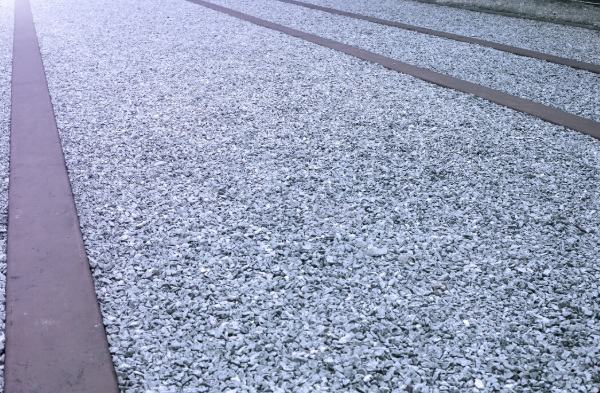
We want crushed stone, not smooth, round pebbles.
Why?
Because crushed gravel has rough edges. Those edges lock together when compacted, creating a strong, stable layer. Rounded stones just roll around… not what we want under something that needs to stay put.
If the gravel feels a bit gritty and packs tightly… that is a good sign.
A Little Reality Check
We get it… the base work is not the exciting part.
Nobody takes pictures of it. Nobody shows it off.
But funny thing is… this is the part that decides whether our project lasts a few months or a few years.
So even if it feels slow or a bit tiring… it is worth doing right.
Because once those pavers go on top, fixing mistakes underneath is a whole different story.
Bringing It All Together
If we had to keep it simple…
- Aim for 4 to 6 inches of gravel for most projects
- Go deeper for heavier use
- Compact it properly… layer by layer
- Use crushed stone, not loose pebbles
Do this right, and we are already halfway there.
And honestly, this is how we build long-lasting paver bases for stability without second-guessing ourselves later.
FAQs
1. Can we use sand instead of crushed gravel under pavers?
Not really. Sand is great for leveling on top, but it does not give the same strength underneath. Gravel is what holds everything together.
2. How do we know if the gravel is compacted enough?
We can walk on it. If it feels solid and does not shift under our weight, that is a good sign.
3. Do we need a gravel base for a small garden path?
Yes, even a thin one. Skipping it often leads to uneven pavers pretty quickly.
4. Should we use a weed barrier under the gravel?
It is a smart move. It helps keep weeds from creeping up later and saves us some maintenance.
5. How long will a proper paver base last?
If we do it right, it can last for years without major issues. That is why the base deserves a little extra attention.
 English
Join our community to interact with posts!