
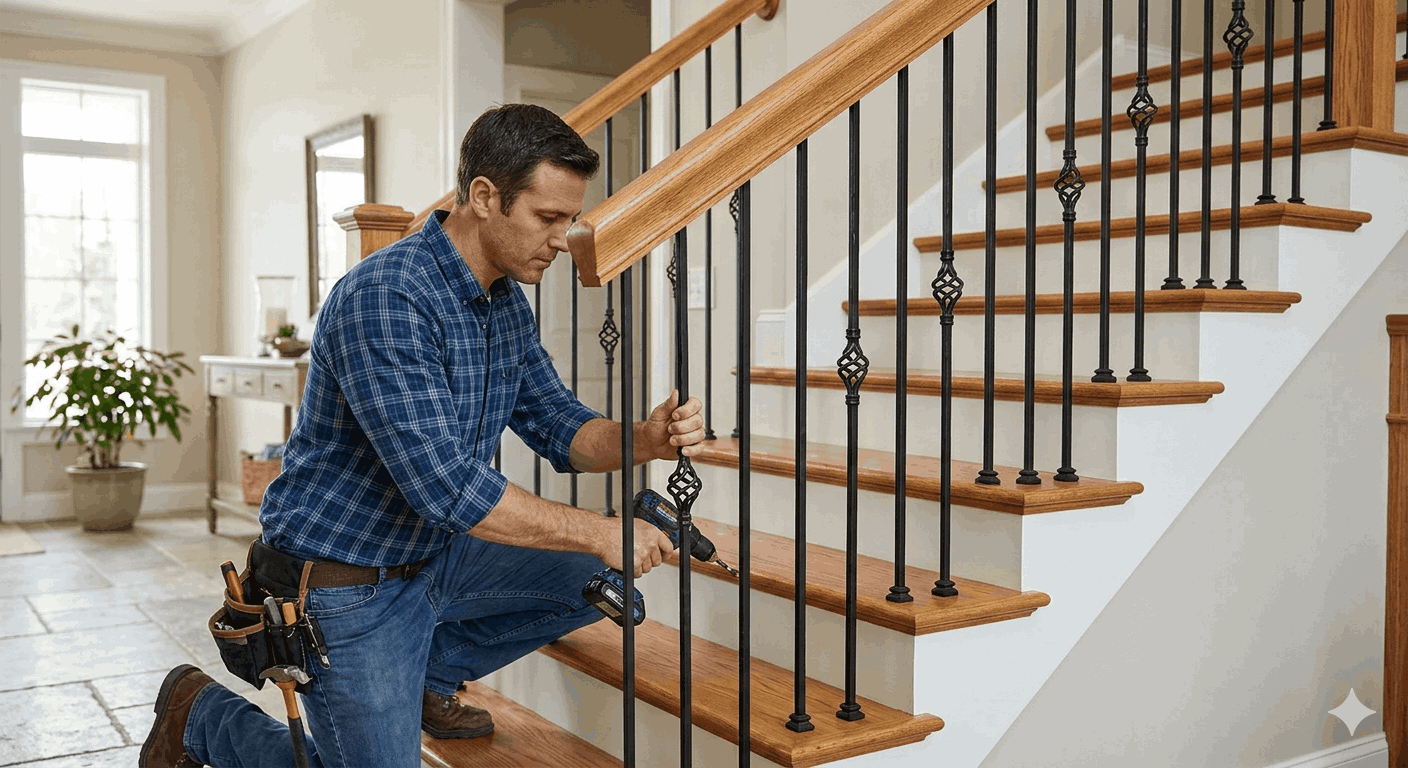
The staircase is often described as the spine of a home, providing essential structural support while serving as a primary aesthetic focal point. At the heart of this structure sit the newel posts, which are the vertical pillars that anchor the handrail and provide the necessary tension for the entire balustrade system. When you enter a foyer, the first thing your eyes often gravitate toward is the starting newel post, as it sets the tone for the architectural language of the entire residence. Understanding the nuances of these components is vital for anyone looking to undertake a renovation or a new build. Professional designers view newel posts not just as safety features, but as sculptural elements that bridge the gap between functional engineering and interior art. By selecting the right style, material, and installation method, you can transform a mundane set of stairs into a grand architectural statement that adds significant value to your property.
The Structural Importance and Technical Function of Newel Posts
To appreciate the value of high quality newel posts, one must understand their mechanical role within a staircase. Unlike intermediate balusters, which primarily serve as infill for safety, newel posts are the primary load-bearing members of the railing system. They are strategically placed at the beginning and end of a stairway, as well as at any point where the stairs change direction, such as a landing. According to technical resources available on Google, these posts must be securely fastened to the floor joists or the stair stringers to resist the lateral pressure exerted when someone leans on the handrail. Without a rock-solid newel post, the handrail would be flimsy and dangerous, failing to meet the rigorous safety standards required by modern building codes. There are several types of posts used in construction, including the starting newel, which is typically larger and more decorative, and the landing newel, which maintains the continuity of the rail across different levels. Each post serves as a terminal point for the handrail, allowing the railing to remain rigid under stress. In professional carpentry, the connection between the handrail and the post is often made using specialized bolts or mortise and tenon joints to ensure that the assembly remains tight for decades.
Diverse Styles and Material Choices for Modern Newel Posts
When it comes to design, newel posts offer a vast array of choices that can suit any interior style from ultra-modern to classic Victorian. Traditionally, these posts were hand-turned on a lathe to create intricate curves and profiles, a style that remains popular in colonial and traditional homes. However, the rise of minimalist architecture has led to a surge in demand for box newels. These are hollow, square posts that offer a clean, bold presence and are often topped with decorative caps or pyramid tops. The material choice is equally important for both durability and appearance. Hardwoods such as white oak, maple, and mahogany are the industry standard due to their density and ability to take stains beautifully. For those seeking a more industrial or contemporary look, metal newel posts made of wrought iron or stainless steel provide a sleek alternative that pairs well with glass or cable railing systems. According to recent design trend reports on Google News, homeowners are increasingly opting for mixed-media staircases that combine wooden posts with metal accents to create a transitional look that fits contemporary living spaces. The finish of the post also plays a role in the home's atmosphere; a dark walnut stain can provide a sense of grounded luxury, while a painted white post can make a narrow hallway feel brighter and more expansive.
Installation Best Practices for Long Term Stability
The longevity of a staircase depends almost entirely on the quality of the installation of the newel posts. A common mistake in DIY projects is simply surface-mounting the post to the floorboards, which inevitably leads to wobbling over time. Professional installers utilize heavy-duty mounting kits that include steel plates and long lag bolts that penetrate deep into the structural framing of the house. As defined by architectural standards on Wikipedia, the post must be perfectly plumb to ensure that the handrail sits at the correct angle and height. This requires precision measuring and the use of levels throughout the process. For landing posts, the installer must account for the transition between the rake of the stairs and the level run of the balcony. This often involves "notching" the post over the edge of the floor to provide extra surface area for fasteners. Furthermore, the use of high-quality wood glue in all joints is a non-negotiable step; the glue creates a chemical bond that reinforces the mechanical fasteners, preventing the wood from creaking or shifting as the house settles. By investing time in a proper foundation for your newel posts, you ensure that the staircase remains a safe and silent part of your home for generations to come.
Enhancing Property Value through Architectural Detail
From a real estate perspective, the quality of your staircase components can have a surprising impact on your home's marketability. High-end finishes and sturdy construction are hallmarks of a well-maintained property. According to insights from Forbes, professional-grade interior details are what separate luxury listings from standard homes. When a potential buyer walks through the front door and grasps a solid, well-crafted handrail supported by a majestic newel post, it sends an immediate signal of quality and safety. It suggests that the homeowner has not cut corners on the hidden structural elements of the house. Customizing your newel posts with unique finials or integrated lighting can further elevate the space, turning a utility area into a conversation piece. Lighting integrated into the base of the posts or under the handrail not only adds a layer of safety for nighttime use but also creates a sophisticated ambiance that highlights the wood grain and craftsmanship. Whether you are aiming for a rustic farmhouse look with reclaimed oak posts or a sharp urban aesthetic with black powder-coated steel, the choice of newel posts is a strategic investment in your home's long-term appeal and structural health.
Conclusion and Your Next Project
Selecting and installing the right newel posts is a multifaceted task that requires a balance of aesthetic vision and technical precision. By prioritizing high-quality materials and professional installation techniques, you can ensure that your staircase is both a stunning work of art and a fortress of safety. These pillars do more than just hold up a rail; they anchor the design of your home and provide a sense of permanence and strength. If you are planning a renovation, remember that the smallest details in the joinery and the finish of your posts will make the biggest difference in the final result. Are you ready to elevate your home's interior by upgrading your staircase with premium newel posts that stand the test of time? Starting your journey with a clear plan and the right tools will lead to a transformation that you can be proud of every time you walk through your front door. How can we assist you further in planning your perfect staircase layout today?
 English
Join our community to interact with posts!