
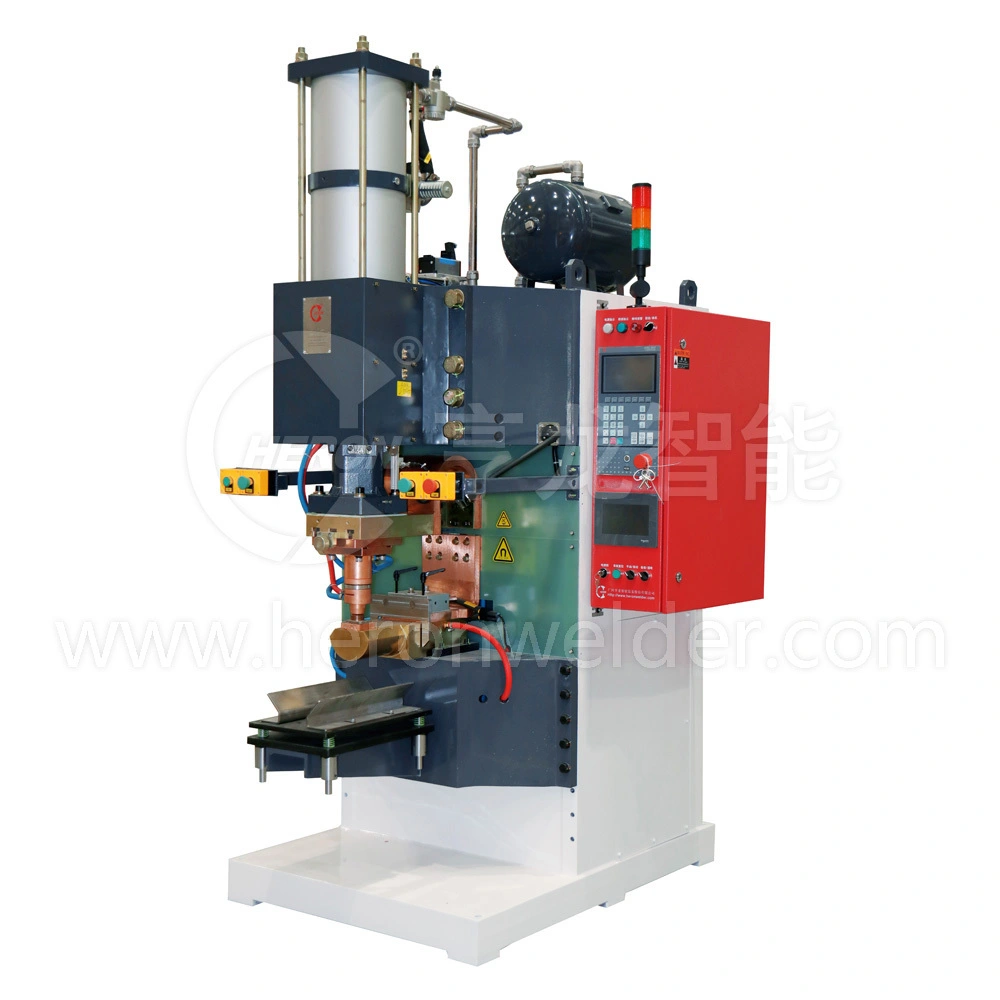
In today’s high-demand manufacturing environment, efficiency, reliability, and precision are key. Spot welding equipment has become a cornerstone in the metal-joining processes of automotive, aerospace, electronics, and appliance industries. For manufacturers, choosing the right spot welding solution is not just about equipment it’s about optimizing production, reducing downtime, and achieving consistent quality.
Heron Welder specializes in designing and manufacturing state-of-the-art spot welding equipment and integrated automation solutions tailored for industrial needs. From small-scale OEM production lines to large automated welding systems, Heron delivers robust solutions engineered for performance and longevity.
What is Spot Welding? Principles and Mechanism
Spot welding, a type of resistance welding, involves joining two or more metal sheets by applying pressure and passing an electric current through the contact point. The process generates localized heat, melting the metal and forming a strong weld nugget.
Core Principles of Spot Welding
- Electric Resistance Heating – The contact resistance between sheets converts electrical energy into heat.
- Pressure Application – Weld electrodes apply force to hold sheets together and ensure proper fusion.
- Cooling Phase – After the current is applied, the weld solidifies under pressure, creating a durable joint.
This method is highly efficient for sheet metals like steel and aluminum, offering fast cycle times and repeatable weld quality.
Key Applications of Spot Welding Equipment
Spot welding is versatile and widely used across industries that require precision and high-volume production.
Automotive and EV Manufacturing
Automotive OEMs rely heavily on spot welding for assembling car body panels, chassis components, and battery enclosures. Modern spot welding equipment supports high-speed, automated production lines with consistent weld strength.
Electronics and Appliances
Compact spot welders enable precise joining of thin metal sheets in appliances, electronics housings, and heating elements without deforming the components.
Aerospace and Heavy Industry
In aerospace, spot welding ensures reliable metal bonding in critical structures while minimizing thermal distortion a must for high-tolerance applications.
Types of Spot Welding Equipment
Selecting the right equipment depends on production volume, material thickness, and automation requirements.
Conventional Pneumatic Spot Welders
Ideal for low-to-medium volume production, these machines are user-friendly and cost-effective.
MFDC (Medium Frequency Direct Current) Spot Welders
MFDC systems offer higher energy efficiency, precise current control, and reduced electrode wear, making them suitable for aluminum and advanced alloys.
Capacitor Discharge Spot Welders
For delicate or thin metals, capacitor discharge systems provide extremely short, controlled welding pulses, minimizing heat input and part distortion.
Advantages of Modern Spot Welding Equipment
Modern spot welding solutions, particularly those from Heron Welder, offer several benefits:
- High Productivity – Rapid welding cycles improve throughput without compromising quality.
- Consistent Weld Quality – Advanced controllers monitor parameters for repeatable results.
- Integration with Automation – Spot welders can be seamlessly incorporated into robotic cells or production lines.
- Material Flexibility – Modern machines handle steel, stainless steel, aluminum, and specialty alloys.
- Lower Operational Costs – Efficient energy use, electrode longevity, and minimal rework reduce overall expenses.
Best Practices for Spot Welding
- Proper Electrode Maintenance – Regular cleaning and reshaping prolong electrode life.
- Optimal Pressure and Current Settings – Adjust for material type and thickness for consistent weld nuggets.
- Routine Calibration – Periodic machine calibration ensures accuracy in automated production lines.
- Safety Compliance – Use protective barriers, gloves, and safety interlocks to prevent accidents.
By following these best practices, manufacturers can maximize output while minimizing defects and downtime.
Why Choose Heron for Spot Welding Solutions?
Heron Welder combines engineering expertise with practical production experience, delivering tailored spot welding equipment for industrial manufacturers worldwide. Our offerings include:
- Customizable resistance spot welding machines for various metal types and thicknesses.
- Integration-ready welding guns, controllers, and automation modules.
- High-precision solutions for OEMs, Tier 1 suppliers, and automated factories.
- Global support and consultation to ensure seamless installation and operational efficiency.
Heron’s solutions are trusted by manufacturers seeking reliability, repeatable quality, and scalable automation.
Spot Welding Equipment vs Other Resistance Welding Techniques
| Feature | Spot Welding | Projection Welding | Seam Welding |
|---|---|---|---|
| Weld Type | Single point | Multiple points via projections | Continuous seam |
| Materials | Sheet metals | Thick plates | Sheet/coil |
| Automation | Easy to integrate | Medium complexity | High complexity |
| Applications | Automotive, appliances | Heavy industry | Fuel tanks, electronics |
Understanding the differences ensures the right equipment choice for your production needs.
Frequently Asked Questions (FAQs)
1. Can spot welding machines handle aluminum sheets?
Yes. MFDC and modern capacitor discharge spot welders are designed for aluminum, providing precise heat control and minimal distortion.
2. What maintenance does a spot welding machine require?
Regular electrode cleaning, calibration, and inspection of electrical connections are essential for consistent performance.
3. How does Heron integrate spot welding into automated production lines?
Heron offers modular solutions, including welding guns, controllers, and robotic integration packages, customized per factory layout.
4. Are spot welders suitable for thin-gauge metals?
Absolutely. Capacitor discharge systems and MFDC machines allow high-precision welding for thin sheets without deformation.
5. How can I ensure weld quality in high-volume production?
Automated monitoring systems, correct machine settings, and periodic quality checks ensure consistent weld nuggets.
Conclusion: Elevate Your Manufacturing with Heron Spot Welding Equipment
Efficient, reliable, and precise, spot welding equipment is a vital part of modern manufacturing. Whether you are upgrading an existing production line, automating a factory, or integrating new materials, Heron provides engineered solutions that optimize productivity and quality.
Contact Heron Welder today to request a quote or consult with our experts about customized spot welding and automated metal-joining solutions tailored to your production requirements.
 English
Join our community to interact with posts!