
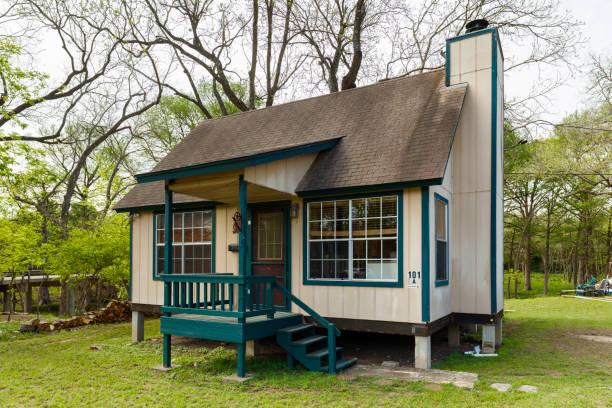
Tiny houses feel like freedom on wheels, right? Small footprint, lower costs, simpler living. But here’s the catch, tiny house regulations are a whole different beast. Too many people assume building small means building easy, or that the rules are the same everywhere. Truth is, local zoning, building codes, and permits can completely derail a project if you don’t know the game. Let’s break down the most common misunderstandings so you don’t hit a wall after falling in love with a tiny house dream.
Tiny Homes Don’t Need Permits
This is the big one. People see tiny houses as “small” and assume no permit is needed. Nope. Even a 200-square-foot home can trigger zoning rules, utility inspections, and safety codes. Some areas let you skirt the rules a bit on wheels, but that’s risky. If an inspector finds your home illegal, you could be forced to tear it down. The short answer: always check local tiny house regulations before you start framing walls or buying materials.
All Tiny Houses Are the Same in the Eyes of the Law
Not all tiny houses are created equal in the legal world. Is it on a trailer? Is it on a foundation? Are you building a permanent structure? These details matter. Some places treat mobile tiny homes like RVs, others treat them like traditional homes. The consequences? Property taxes, insurance requirements, and even how you can connect to water and sewage. People skip this step and end up paying extra fines or being told to move. It’s frustrating but unavoidable if you ignore it.
Size Alone Defines a Tiny Home
Lots of folks think “tiny” is about square footage alone. It isn’t. Code definitions vary, and height, width, and even interior layout can impact compliance. You can have a 400-square-foot home that technically violates a local maximum height or setback rule. Remember, tiny house regulations are rarely just about size, they’re about safety, fire codes, and neighborhood standards too. Don’t assume you’re in the clear just because it “feels small.”
Zoning Doesn’t Matter
People often jump straight into construction and say, “I’ll worry about zoning later.” Big mistake. Zoning decides if you can put a tiny house in a residential neighborhood, on farmland, or even on your own lot. Some zones outright ban permanent tiny homes. Others allow them, but only with conditional permits. Ignoring zoning isn’t just risky, it’s expensive. Getting approved after the fact? That rarely works out smoothly.
You Can DIY Your Way Around the Rules
Sure, tiny homes attract DIYers. Who doesn’t love hammering together a loft bed or salvaging old wood for walls? But tiny house regulations don’t care about your skill level. Electrical, plumbing, and insulation, these all need to meet code. Cutting corners? It could void insurance or leave you liable if something goes wrong. Even if you buy a tiny house for sale that looks “ready,” verify that it was built to code for your area.
Taxes and Utilities Are Minor Issues
People underestimate ongoing costs. Even a tiny house pays property taxes if it’s on land. Utilities? Hooking up water, sewer, and electricity isn’t automatic. Some rural areas won’t even allow hookups without specific inspections. Tiny house regulations often cover these points, but homeowners skip over them, thinking small equals cheap. Spoiler: it doesn’t.
Temporary Status Solves Everything
Some think putting a tiny house on wheels automatically makes it “temporary” and exempt from regulations. Reality check: temporary often has strict limits. Days, weeks, months, anything beyond can trigger fines. If your plan is a long-term tiny lifestyle, temporary status is not a get-out-of-jail-free card. You still need permits, zoning approval, and inspections.
One Tiny House Fits All Communities
Even if you perfectly follow regulations in one city, that doesn’t mean you’re legal in the next. Tiny house regulations vary drastically, sometimes from block to block. Rural county might be lenient; city neighborhood? Forget it. People assume a tiny house for sale that works in one area will be fine anywhere. Not true. Always check your local codes before buying or moving a tiny home.
Conclusion
Let’s be real: tiny houses look simple, but the rules behind them are anything but. Tiny house regulations aren’t meant to squash your dream, they’re about safety, consistency, and community standards. Misunderstandings around permits, zoning, DIY builds, and temporary status are common, but avoidable if you do your homework. So, if you’re eyeing a tiny house for sale or planning to build, don’t skip this step. Check codes early, talk to local inspectors, and stay informed. That way, your tiny house freedom doesn’t come with massive headaches. Small home, smart planning, big peace of mind.
 English
Join our community to interact with posts!