
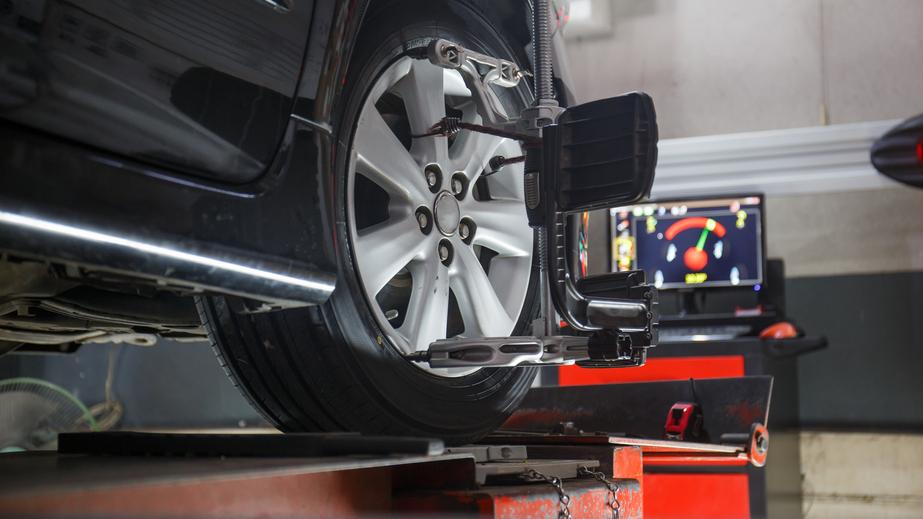
A wheel alignment service often feels like a minor maintenance task, something drivers postpone until there’s a visible issue. However, it plays a key role in how a vehicle performs on the road. Alignment refers to the adjustment of the angles of the wheels so they match the manufacturer’s specifications. When these angles shift, even slightly, it can affect steering, tire wear, and overall driving stability.
Many drivers first notice alignment problems through subtle signs. The steering wheel may feel off-center, or the car might drift slightly to one side even on a straight road. These changes often happen gradually, making them easy to ignore. Over time, though, misalignment can lead to uneven tire wear, which reduces the lifespan of tires and impacts fuel efficiency. What starts as a small issue can turn into a costly one if left unaddressed.
Road conditions are one of the main causes of alignment problems. Potholes, speed bumps, and rough terrain can push wheels out of alignment without immediate warning. Even minor collisions or brushing against a curb can alter the alignment. Regular checks help identify these changes early, preventing long-term damage. It’s not just about comfort; it’s about maintaining control and safety while driving.
Another overlooked aspect is how alignment affects fuel consumption. When wheels are not aligned properly, they create resistance against the road. This forces the engine to work harder, leading to increased fuel usage. For those who drive frequently, this can result in noticeable changes in fuel costs over time. Maintaining alignment helps ensure that the vehicle moves efficiently, reducing unnecessary strain on both the engine and the tires.
There’s also a safety factor that cannot be ignored. Poor alignment can affect how quickly and accurately a driver can respond to sudden changes on the road. In situations where quick steering adjustments are required, even a slight misalignment can reduce precision. This makes regular inspection and correction an essential part of responsible vehicle ownership.
In the long run, maintaining proper wheel alignment is not just about avoiding inconvenience. It contributes to smoother handling, better tire performance, and more predictable driving behavior. Paying attention to alignment helps drivers stay aware of their vehicle’s condition and reduces the chances of unexpected issues. Keeping up with wheel alignment ensures a more controlled and reliable driving experience.
 English
Join our community to interact with posts!