
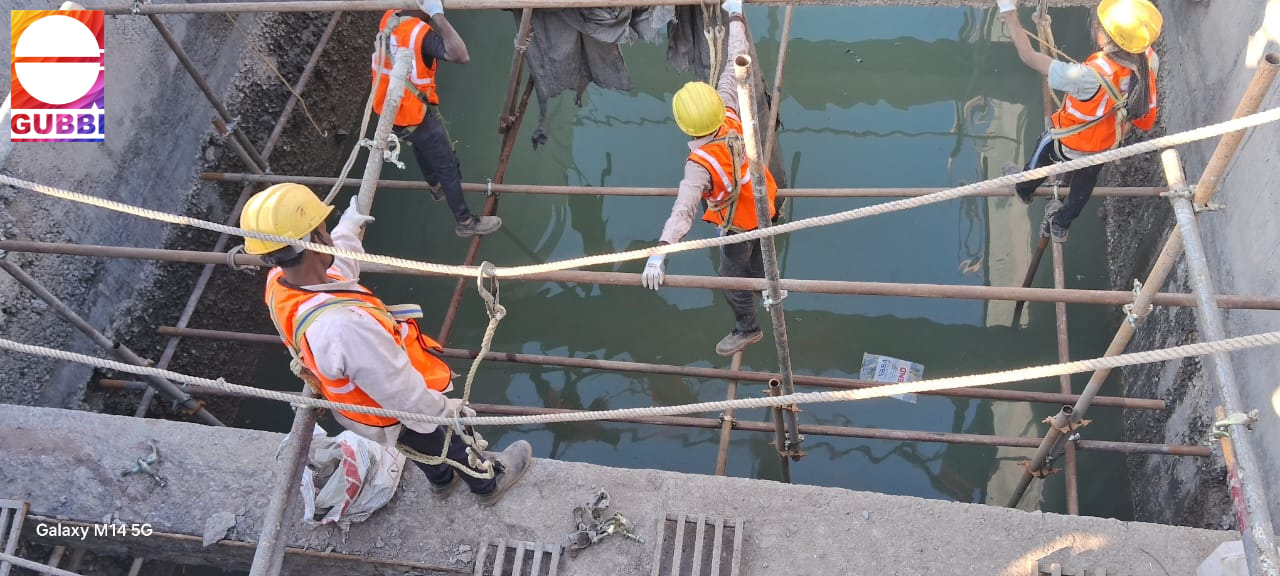
RCC column retrofitting is a specialized structural strengthening process used to improve the load-bearing capacity and durability of reinforced cement concrete columns. Over time, buildings face stress due to aging, environmental exposure, and increased usage demands. Retrofitting ensures these columns regain structural integrity without full reconstruction. This method is widely used in residential, commercial, and industrial structures where safety and performance cannot be compromised.
Why RCC Columns Need Retrofitting
RCC columns often deteriorate due to corrosion, poor construction practices, seismic activity, or design limitations. When the structural capacity falls below required standards, retrofitting becomes necessary. Instead of demolishing the structure, engineers strengthen existing columns using advanced techniques. This approach is cost-effective, time-saving, and practical, especially in densely populated areas where reconstruction may not be feasible.
Key Signs That Indicate Structural Weakness
Visible cracks, exposed reinforcement bars, spalling concrete, and uneven settlement are common indicators of column distress. Buildings subjected to additional loads, like extra floors or heavy machinery, may also require retrofitting. Ignoring these warning signs can lead to severe structural failure. Early intervention through retrofitting ensures safety while extending the life of the building significantly.
Benefits of RCC Column Retrofitting
Retrofitting enhances structural strength, improves load-bearing capacity, and increases resistance to seismic forces. It also reduces maintenance costs in the long run. Compared to rebuilding, it is less disruptive and more economical. Property value improves when structural stability is assured. This makes retrofitting an ideal solution for both old structures and buildings undergoing functional upgrades.
Popular Techniques Used in RCC Column Retrofitting
There are several methods used depending on the condition of the structure. Common techniques include jacketing, carbon fiber wrapping, steel plate bonding, and concrete encasement. Each method has its own advantages and is selected based on structural analysis. Engineers carefully assess load conditions and material compatibility before choosing the most suitable approach for long-term performance.
Concrete Jacketing Method Explained
Concrete jacketing involves adding a new layer of concrete around the existing column along with additional reinforcement bars. This increases the column size and improves strength. It is one of the most widely used methods due to its reliability and effectiveness. Proper bonding between old and new concrete is critical to ensure the success of this technique.
Steel Jacketing for Enhanced Strength
Steel jacketing uses steel plates or sections wrapped around the column to provide confinement and strength. This method is particularly useful where space is limited. It offers immediate load-bearing improvement and is suitable for industrial structures. Proper welding and corrosion protection are essential to maintain durability and performance over time.
Carbon Fiber Wrapping in Modern Retrofitting
Carbon fiber wrapping is an advanced method that uses high-strength fiber-reinforced polymers to strengthen columns. It is lightweight, non-invasive, and highly effective in improving structural performance. This technique is widely used in seismic retrofitting. It also enhances ductility, allowing structures to withstand dynamic loads more efficiently.
Importance of Structural Assessment Before Retrofitting
Before starting any retrofitting work, a detailed structural assessment is necessary. Engineers evaluate load conditions, material strength, and damage extent. Non-destructive testing methods are often used to understand internal conditions. This assessment helps in designing a customized retrofitting plan that ensures safety and long-term reliability of the structure.
Role of Seismic Retrofitting in India
India is prone to earthquakes in many regions, making seismic retrofitting essential. RCC column retrofitting plays a major role in improving earthquake resistance. Strengthening columns ensures that buildings can withstand lateral forces during seismic events. This is particularly important for older buildings that were not designed according to modern seismic codes.
Cost Considerations in RCC Column Retrofitting
The cost of retrofitting depends on the extent of damage, method used, material quality, and labor requirements. While initial investment may seem high, it is significantly lower than reconstruction costs. Retrofitting also minimizes downtime and operational losses. Proper planning ensures that the process remains within budget while delivering effective results.
Time Efficiency and Minimal Disruption
One of the biggest advantages of retrofitting is that it can be carried out without vacating the entire building. Work can be done in phases, allowing occupants to continue their activities. This is especially beneficial for commercial and industrial properties. Quick execution and minimal disruption make retrofitting a practical solution for many projects.
Common Applications of RCC Column Retrofitting
RCC column retrofitting is used in residential buildings, commercial complexes, factories, bridges, and parking structures. It is also widely used in renovation and redevelopment projects. Buildings undergoing change in usage often require strengthening to handle new load conditions. Retrofitting ensures that these structures remain safe and functional.
Environmental Benefits of Retrofitting
Retrofitting is a sustainable solution as it reduces construction waste and minimizes the need for new materials. By strengthening existing structures, it contributes to environmental conservation. This approach aligns with modern construction practices that focus on sustainability and resource efficiency. It also reduces the carbon footprint associated with demolition and rebuilding.
Challenges in RCC Column Retrofitting
Despite its benefits, retrofitting comes with challenges such as accessibility issues, design complexity, and material compatibility. Skilled professionals are required to execute the work properly. Poor workmanship can lead to ineffective results. Therefore, choosing experienced engineers and contractors is critical to ensure the success of the project.
Quality Control and Safety Measures
Maintaining quality standards during retrofitting is essential. Proper curing, bonding, and alignment must be ensured. Safety measures should be followed strictly to protect workers and occupants. Regular inspections during the process help in identifying and correcting issues early. This ensures that the final outcome meets structural and safety requirements.
Importance of Professional Expertise
RCC column retrofitting is not a generic repair job. It requires technical expertise, precise calculations, and high-quality materials. Professional engineering firms bring experience and knowledge to handle complex projects. Their expertise ensures that retrofitting is done effectively, providing long-term structural stability and safety.
Choosing the Right Retrofitting Partner
Selecting the right service provider is crucial for successful retrofitting. Look for companies with proven experience, technical capability, and a strong track record. A reliable partner will conduct thorough assessments, use advanced techniques, and maintain quality standards throughout the project. This ensures that the structure remains safe and durable.
Expertises In Retrofitting
Gubbi Civil Engineers Limited is known for delivering high-quality structural retrofitting solutions with precision and reliability. Their expertise in RCC column retrofitting ensures that buildings meet modern safety standards. With a focus on performance and durability, they use advanced techniques and materials to deliver long-lasting results. Their professional approach makes them a trusted choice for complex retrofitting projects.
Advanced Technologies Used in Retrofitting
Modern retrofitting uses advanced tools and materials like fiber-reinforced polymers, high-strength grouts, and non-destructive testing equipment. These technologies improve accuracy and efficiency. They also ensure better bonding and durability. The use of innovative methods helps in achieving superior results while reducing time and labor requirements.
Long-Term Performance and Durability
A properly retrofitted RCC column can significantly extend the life of a structure. It improves resistance to environmental factors and mechanical stress. Regular maintenance further enhances durability. Investing in retrofitting ensures that buildings remain safe and functional for many years, making it a practical and valuable solution.
Future of RCC Column Retrofitting
With increasing focus on sustainability and safety, retrofitting is becoming more important in the construction industry. Urban areas with aging infrastructure will continue to rely on these solutions. Innovations in materials and techniques will further improve efficiency and effectiveness. RCC column retrofitting will remain a key part of modern structural engineering.
RCC column retrofitting is a practical and efficient solution for strengthening existing structures. It ensures safety, improves performance, and extends the life of buildings without the need for reconstruction. With the right approach and expert execution, retrofitting delivers long-term value. For reliable and professional services, choosing an experienced company like Gubbi Civil Engineers Limited ensures quality results and structural confidence.
 English
Join our community to interact with posts!