
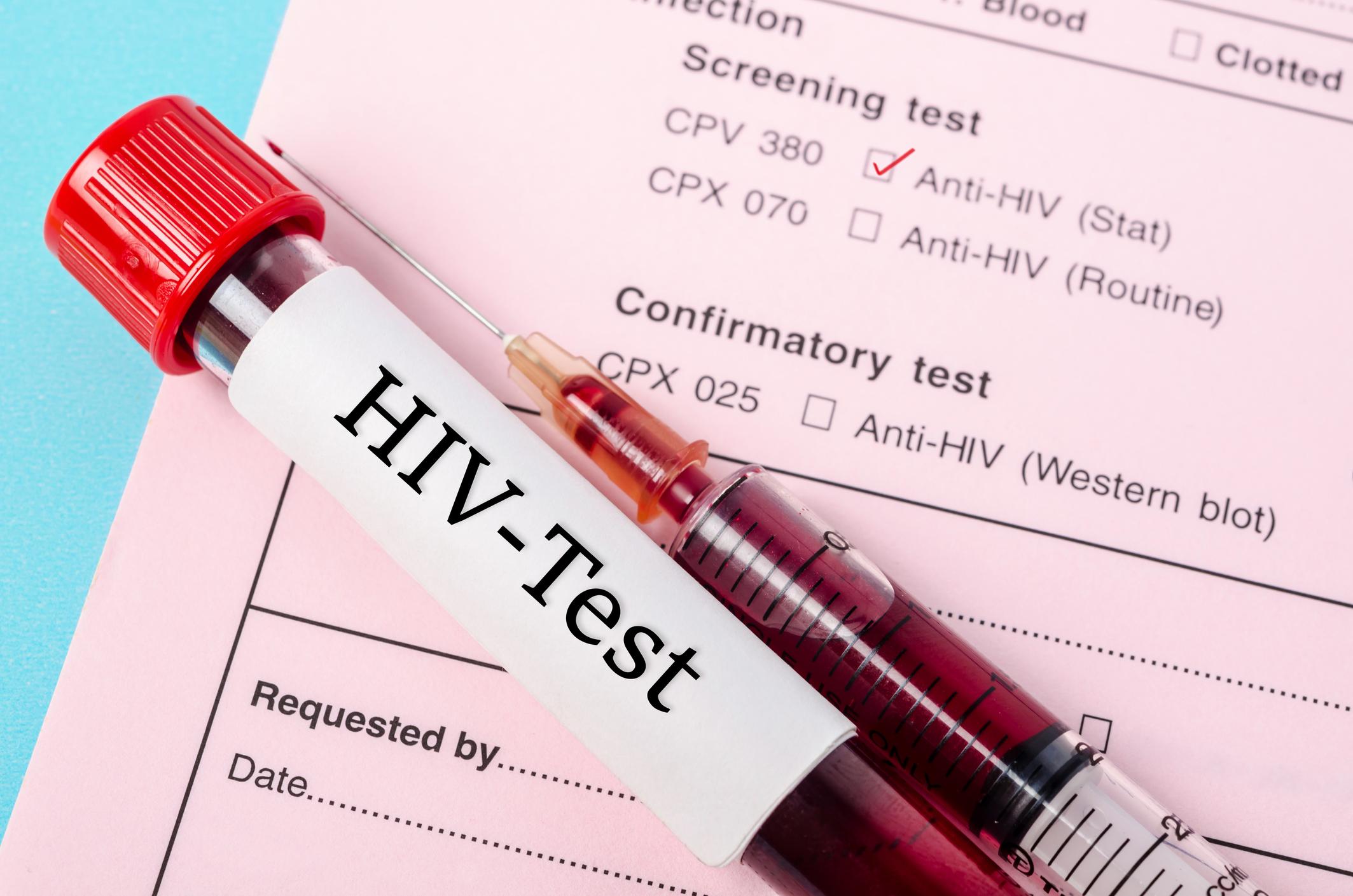
HIV blood test confidentiality is one of the most important aspects of modern healthcare, yet it is often the least understood. Many people avoid HIV screening because they fear privacy breaches, stigma, or judgment. In reality, HIV testing is governed by strict medical privacy laws and ethical standards designed to protect patient identity and results.
Confidentiality in HIV testing means your personal information, test results, and medical history are handled with the highest level of privacy. Healthcare systems are structured to ensure that no one can access your HIV test results without your permission.
Understanding how this works helps reduce fear and encourages more people to take timely HIV Blood Test in Dubai tests.
What HIV Blood Test Confidentiality Actually Means?
Confidentiality in an HIV blood test refers to the protection of all personal and medical information related to your testing process. This includes your identity, sample details, laboratory results, and any follow-up consultations.
In simple terms, it means your HIV test results are private medical information and cannot be shared without your consent. Only authorized healthcare professionals involved in your care have access to this data.
This level of privacy is essential for encouraging individuals to get tested without fear of social or professional consequences.
How Your Identity Is Protected During Testing?
When you undergo an HIV blood test, your sample is labeled with unique identification codes rather than personal details in many laboratory systems. This reduces the risk of identity exposure during processing.
Healthcare providers also follow strict documentation procedures to ensure that your records are securely stored and accessible only to authorized personnel.
In most healthcare settings, your HIV screening test is linked to a secure medical record system that is protected by encryption and access controls.
Who Can Access Your HIV Test Results?
Access to HIV blood test results is highly restricted. Typically, only the following individuals can view your results: your treating physician, authorized laboratory staff, and yourself.
In some cases, if you provide explicit written consent, results may be shared with another healthcare provider or family member.
Without consent, no employer, insurance provider, or unauthorized individual can legally access your HIV test results.
The Role of Medical Ethics in HIV Testing Privacy:
Medical confidentiality is not just a policy—it is an ethical obligation. Healthcare professionals are bound by strict ethical guidelines that require them to protect patient information.
Breaking confidentiality without valid legal or medical justification is considered a serious violation in healthcare practice.
This ethical framework ensures that HIV blood test confidentiality is maintained at every stage, from sample collection to result delivery.
Legal Protections for HIV Test Privacy:
In most healthcare systems, legal frameworks exist to protect HIV testing privacy. These laws ensure that your HIV screening results cannot be disclosed without consent.
Confidentiality laws also regulate how laboratories store, transmit, and report test results. Any unauthorized disclosure can result in legal consequences for healthcare providers or institutions.
These legal protections are designed to encourage more people to get tested without fear of exposure.
Anonymous vs Confidential HIV Testing:
There are two main approaches to HIV blood test privacy: confidential testing and anonymous testing.
Confidential testing means your identity is linked to your test results, but information is protected under medical privacy laws. This is the most common form of testing in healthcare settings.
Anonymous testing means no personal identifying information is recorded. You receive a code instead of a name, and results are not linked to your identity in any system.
Both options aim to protect privacy, but anonymous testing provides an additional layer of anonymity for those who prefer it.
How HIV Results Are Delivered Safely?
The way HIV blood test results are communicated also plays a role in confidentiality. Results are typically shared in a private setting, either in person, through secure patient portals, or via confidential communication channels.
Healthcare providers are trained to ensure that results are not disclosed in public or unsecured environments.
If additional counseling is required, it is conducted privately to maintain dignity and privacy.
Laboratory Privacy and Data Security Measures:
Laboratories that conduct HIV screening tests follow strict data security protocols. These include encrypted digital systems, restricted access controls, and secure storage of physical and electronic records.
Only trained personnel directly involved in testing are allowed to handle samples and results. Regular audits and quality checks ensure that confidentiality standards are consistently maintained.
These measures significantly reduce the risk of data breaches or unauthorized access.
Why Confidentiality Encourages More People to Get Tested?
Fear of stigma is one of the biggest barriers to HIV testing. Many individuals avoid getting an HIV blood test because they worry about others finding out their results.
Confidentiality protections remove this barrier by ensuring privacy at every stage of the testing process. When people trust that their information is secure, they are more likely to undergo HIV screening.
This leads to earlier detection, better treatment outcomes, and improved public health overall.
What Happens If Confidentiality Is Breached?
Confidentiality breaches in HIV testing are extremely rare due to strict regulations. However, if a breach does occur, it is treated as a serious violation.
Healthcare systems typically have reporting mechanisms and disciplinary actions in place to address such incidents. Affected individuals may also have legal rights to seek compensation or corrective action.
These safeguards reinforce the importance of maintaining trust in the healthcare system.
Partner and Family Disclosure Rules:
HIV blood test confidentiality also applies to relationships and family settings. Healthcare providers cannot disclose your results to partners or family members without your consent.
However, they may encourage voluntary disclosure, especially if it is important for preventing transmission or ensuring partner safety.
The decision to share results always remains with the patient unless specific legal exceptions apply.
Confidentiality in the Digital Age:
With the rise of electronic health records, HIV testing data is increasingly stored digitally. This has improved efficiency but also required stronger cybersecurity measures.
Modern systems use encryption, secure login authentication, and restricted access levels to protect HIV blood test data.
These technologies ensure that even in digital environments, confidentiality remains intact.
The Importance of Trust in HIV Screening:
Trust is a key factor in public health. When individuals trust that HIV testing is confidential, they are more likely to get tested regularly and seek treatment early if needed.
Confidentiality helps build a positive relationship between patients and healthcare providers, making HIV screening a routine part of healthcare rather than a source of fear.
Common Misconceptions About HIV Test Privacy:
One common misconception is that HIV test results are automatically shared with employers or government agencies. This is not true in standard medical practice.
Another misconception is that positive results are publicly recorded, which is also false. HIV blood test confidentiality laws prevent such disclosures.
These misunderstandings often discourage testing unnecessarily.
Final Thoughts: Privacy Builds Confidence in Testing
HIV Lab tests confidentiality is a fundamental pillar of modern healthcare. It ensures that individuals can seek testing without fear, stigma, or privacy concerns.
From secure laboratories to strict legal protections, every stage of the HIV screening process is designed to safeguard personal information.
When people understand that their HIV test results are fully protected, they are more likely to take proactive steps toward their health.
Ultimately, confidentiality is not just about privacy—it is about empowering individuals to take control of their health with confidence and trust.
 English
Join our community to interact with posts!