
The allure of North Africa is a siren song that has called to explorers for centuries, yet the modern traveler faces a unique challenge in the digital age. Finding a connection that feels real, unscripted, and deeply rooted in heritage requires more than just a plane ticket; it requires a commitment to authentic Morocco tours. As we navigate 2026, the Kingdom has entered a transformative era under its ambitious "Light in Action" tourism roadmap. This strategic initiative aims to welcome 17.5 million visitors by the end of this year, but the true heartbeat of the project lies in "Kingdom of Light," a campaign designed to move beyond surface-level sightseeing.
Authenticity is often a buzzword in the travel industry, but in the Moroccan context, it refers to a specific synergy between preservation and participation. To truly understand this, one must look at the technical definition of sustainable tourism, which emphasizes the environmental, economic, and socio-cultural aspects of development while ensuring a suitable balance for long-term viability. For those seeking the "real" Morocco, this means choosing experiences that respect local communities, preserve the ancient medinas, and celebrate the living traditions of the Berber, Arab, and Sahrawi peoples.
The Architectural Soul: Living Histories of the Imperial Cities
To begin a journey through authentic Morocco tours, one must first acknowledge the gravity of the four imperial cities: Marrakech, Fes, Meknes, and Rabat. While Marrakech often captures the headlines with its recent Forbes Travel Guide 2026 accolades, where it leads the nation with fifteen distinguished luxury properties, the true essence of the city is found in the communal ovens and neighborhood hammams hidden within its narrow alleys.
Fes, however, remains the intellectual and spiritual center of the Kingdom. The Fes el-Bali medina is a car-free urban labyrinth where the smells of cedarwood and traditional tanneries transport you back to the ninth century. Authenticity here is found in the "Fassie" hospitality, a concept that emphasizes the transmission of artisanal excellence. Whether you are watching a master potter in the Ain Nokbi district or dining on a traditional pigeon pastilla in a restored riad, you are participating in a civilizational continuum that has remained unbroken for over a millennium.
Into the Wild: The Atlas Mountains and the High Desert
Beyond the city walls, the landscape of Morocco offers a rugged beauty that demands a different kind of presence. Authentic Morocco tours frequently venture into the High Atlas Mountains, where the Berber (Amazigh) culture remains the primary custodian of the land. In 2026, a major trend is "contemplative luxury," a style of travel that prioritizes silence, starlight, and simplicity over gold-plated amenities.
A hike through the Ourika Valley or an overnight stay in a high-altitude guesthouse offers a chance to engage with "The Day in the Life of Berbers," an immersive experience where you might participate in traditional bread baking under the sand or witness the communal management of water resources. This move toward nature-positive tourism ensures that your visit leaves behind positive benefits for the natural world and the host communities.
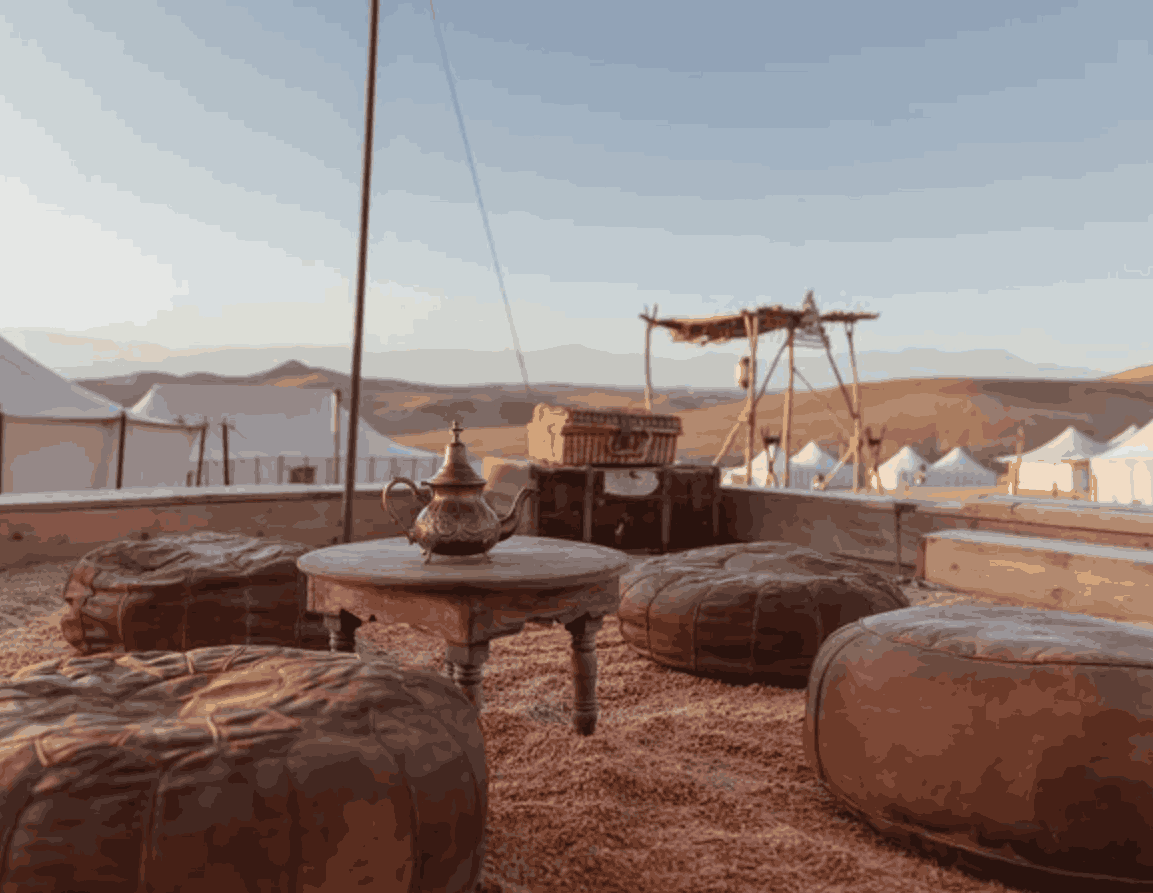
Further south, the Merzouga desert and the dunes of Erg Chebbi provide a backdrop for premium ecotourism. The focus here has shifted away from mass-market camping toward luxury bivouacs that utilize solar energy and support local nomadic families. A sunset camel trek is no longer just a photo opportunity; it is an entry point into the vast silence of the Sahara, a place where time is measured by the shifting colors of the dunes rather than the ticking of a clock.
The Strategic Future: 2026 and Beyond
As Morocco prepares to co-host the 2030 FIFA World Cup, the country is investing heavily in infrastructure and human capital. According to Google News reports, the "Light in Action" plan is not just about numbers but about the "territorialization" of tourism, ensuring that the benefits of travel reach secondary cities like Tangier, Essaouira, and Oualidia.
This professionalization of the sector is reflected in the rising standards of service across the hospitality industry. Travelers in 2026 can expect:
-
Advanced Digitalization: Enhanced booking platforms and immersive storytelling through high-quality media libraries.
-
Expanded Air Connectivity: New routes linking Moroccan regional airports directly to global hubs, making remote regions more accessible.
-
Gastronomic Soft Power: A focus on "identity-based gastronomy," where royal couscous and lamb tagine are presented as cultural artifacts of social cohesion.
By prioritizing these elements, authentic Morocco tours offer a bridge between the ancient world and the modern traveler, creating a space where commerce and culture coexist with mutual respect.
Conclusion: Crafting Your Personal Moroccan Odyssey
The pursuit of an authentic experience is ultimately a personal choice to slow down and listen to the stories the land has to tell. From the intricate zellij tilework of a Rabat palace to the wind-swept ramparts of Essaouira, Morocco is a kingdom that rewards the curious and the respectful. As the 2026 travel season unfolds, the opportunities for meaningful engagement have never been greater.
 English
Join our community to interact with posts!