
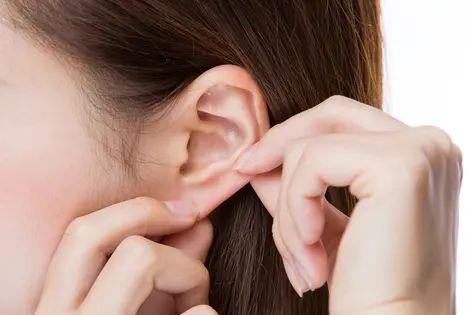
Facial proportions play a critical role in how we perceive ourselves and how we are perceived by others. When the ears are disproportionately large or sit at an angle that draws excessive attention, it can create a lifelong sense of self-consciousness. Ear reshaping in Dubai has become a cornerstone of aesthetic medicine, offering a definitive, surgical way to correct these structural issues. Through a procedure known as otoplasty, patients can achieve a balanced profile where the ears act as a subtle, harmonious frame for the face rather than a distracting feature.
Understanding Ear Reshaping in Dubai
Otoplasty is a specialized cosmetic procedure designed to change the shape, position, or size of the ears. In our clinical experience, the most common motivation for this treatment is the correction of "prominent ears," which occurs when the ear sticks out more than 2cm from the side of the head. This condition is usually the result of an underdeveloped antihelical fold (the "Y-shaped" ridge inside the ear) or an overdeveloped conchal bowl (the deep central part of the ear).
What makes ear reshaping in Dubai particularly unique is its suitability for a wide age range. Because the ear is one of the few organs that reaches its full size by age five, it is one of the most common surgical procedures performed on children. This early intervention helps prevent the social difficulties that often accompany prominent features. Similarly, adults seek this procedure to finally resolve insecurities that may have affected their styling choices and confidence for decades.
How Ear Reshaping in Dubai Works: The Science
The success of an otoplasty depends on the surgical manipulation of the auricular cartilage. This cartilage is what gives the ear its specific shape and rigidity. During the procedure, the surgeon accesses the cartilage through a discreet incision hidden in the posterior auricular crease—the natural shadow located behind the ear.
Once the cartilage is exposed, the surgeon uses precision techniques to score or fold the tissue. By weakening the cartilage's "memory" in certain areas, the surgeon can remodel it into a more desirable contour. Permanent internal sutures are then utilized to secure the cartilage in its new, recessed position. These sutures act as a hidden scaffold while the surrounding tissues heal, ensuring that the results are permanent and do not "spring back" to their original position.
The Purpose and Clinical Goals of the Procedure
The overarching purpose of ear reshaping is to restore anatomical normalcy and facial balance. While the term "ear pinning" is commonly used, the clinical goals are often much more comprehensive:
-
Angle Correction: Adjusting the ear so it sits closer to the scalp at a natural angle (typically 25 to 35 degrees).
-
Fold Reconstruction: Creating a natural-looking curve in ears that are flat or lack definition.
-
Symmetry Alignment: Ensuring that both ears are matched in height, projection, and shape.
-
Lobe Refinement: Correcting earlobes that are too large, elongated, or have been split by trauma.
Key Benefits of Professional Ear Reshaping
Choosing a clinical path for ear correction provides structural and psychological benefits that improve long-term quality of life.
| Benefit Area | Clinical Outcome |
| Instant Result | The change in projection is visible immediately after the dressings are removed. |
| Permanent Solution | Unlike temporary fillers, the structural changes of otoplasty last a lifetime. |
| Invisible Scars | Incisions are tucked away in the natural fold behind the ear. |
| High Precision | Modern techniques allow for millimetric control over the ear's new position. |
Ideal Candidates for Otoplasty
To ensure the best possible outcome, we evaluate every patient based on their health and structural maturity.
-
Children (Ages 5+): Those who have reached physical ear maturity and can follow simple post-operative instructions.
-
Healthy Adults: Individuals with no history of chronic skin infections or issues with wound healing.
-
Non-Smokers: Essential for ensuring the blood supply to the delicate ear tissues is not compromised.
-
Specific Anatomical Concerns: Individuals with prominent ears, large conchal bowls, or asymmetrical features.
Step-by-Step Procedure Guide
-
Clinical Assessment: A thorough mapping of the ear's structure and a discussion of the desired setback.
-
Anesthesia: Local anesthesia with intravenous sedation is typically used for adult comfort.
-
Strategic Incision: A small vertical cut is made in the hidden fold behind the ear.
-
Cartilage Sculpting: The surgeon thins or folds the cartilage to create natural curves.
-
Securing the Site: Internal, non-dissolvable sutures are placed to lock the ear in its new position.
-
Protective Dressing: A soft, wrap-around bandage is applied to protect the ears during the first 24 hours of healing.
Common Target Zones for Reshaping
A professional ear reshaping procedure focuses on several anatomical "zones" to ensure the result looks natural from every angle:
-
The Conchal Bowl: Reducing the depth of this central area is key to pulling the ear back effectively.
-
The Antihelical Fold: Strengthening this inner ridge pulls the outer rim of the ear closer to the head.
-
The Helical Rim: Ensuring the outermost edge of the ear has a smooth, natural curve.
-
The Lobule: The earlobe may be repositioned or reduced if it also protrudes or appears disproportionately large.
Cost and Investment Considerations
The investment for ear reshaping in Dubai is determined by the technical complexity of the case. Since every ear is anatomically distinct, factors such as whether the procedure is bilateral (two ears) or unilateral (one ear), the choice of anesthesia, and the clinical facility’s surgical standards all influence the resources required. Because this is a permanent structural change that typically does not require follow-up surgeries, it is considered a high-value investment in long-term confidence.
Recovery Timeline and Healing Process
Adhering to the clinical recovery protocol is the most important factor in ensuring the internal sutures hold as the cartilage heals.
-
Days 1–3: Patients wear a protective head wrap. Some mild swelling and tenderness are expected.
-
Week 1: The heavy bandage is replaced with a lighter headband, which is worn 24/7.
-
Weeks 2–6: The headband is worn primarily at night to prevent the ears from folding forward during sleep.
-
Month 3: The ears have fully settled into their new position, and any residual firmness in the tissue has softened.
Safety and Side Effects
Otoplasty is a routine procedure with an exceptional safety record. Minor side effects may include temporary bruising, redness, or a change in sensation (numbness) around the incision site. Rare risks include minor asymmetry or a reaction to the internal sutures. Following all clinical hygiene guidelines—such as keeping the area dry and avoiding side-sleeping—is the most effective way to ensure a smooth recovery.
How to Maintain Long-Term Results
Once the initial six-week healing phase is complete, the results of the surgery are permanent. The internal sutures act as a hidden scaffold for life. We advise patients to avoid contact sports or any activity where the ears might be forcefully pulled for at least two months. After this point, the structural integrity of the ear is fully restored, and no special long-term maintenance is required.
Conclusion
Taking the step toward aesthetic correction is a personal journey that deserves the highest level of clinical expertise. We understand that patients often come to us after years of concealing their ears or worrying about their profile. At Tajmeels Clinic, our focus is on providing a professional, empathetic environment where your safety and aesthetic goals are the priority. Our goal is to ensure that your transformation is natural and permanent, allowing your inner confidence to reflect in your outer appearance. By choosing a path of clinical excellence, you are investing in a more balanced version of yourself that you can be proud of for years to come.
 English
Join our community to interact with posts!