
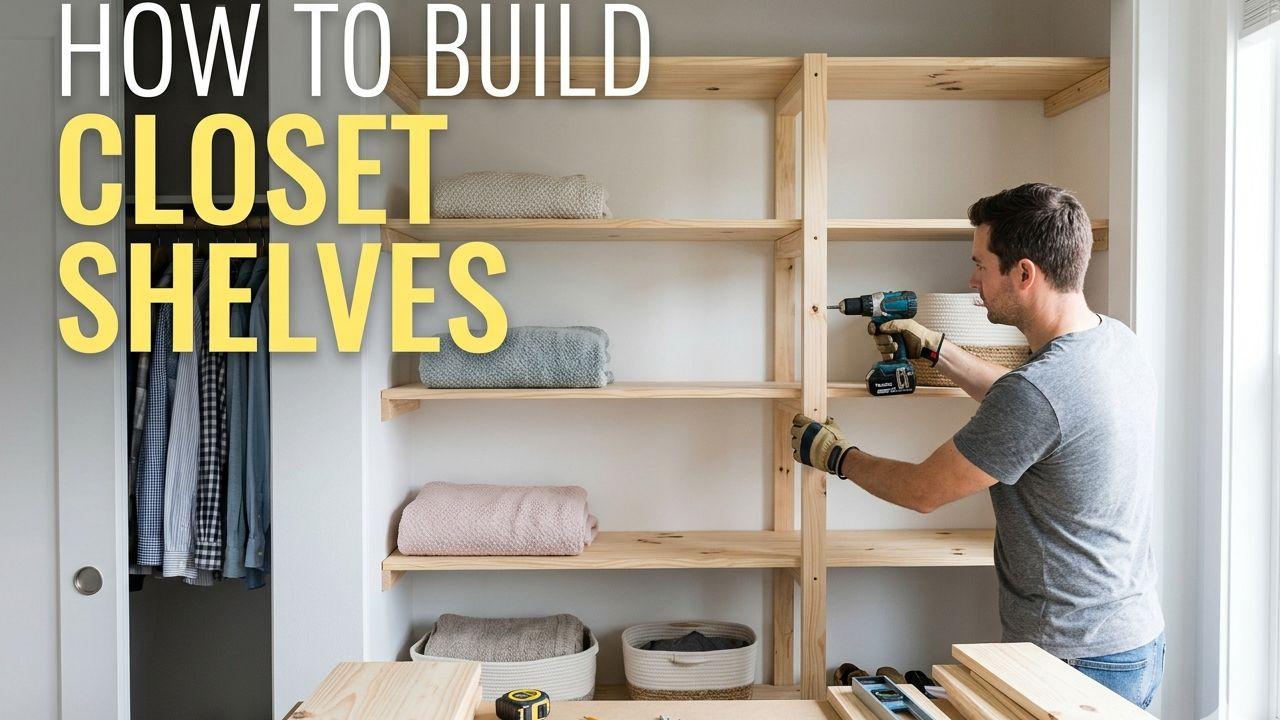
A well-organized closet can completely change how you use your home. Instead of cluttered piles and wasted space, properly built shelves allow you to store clothes, shoes, and accessories neatly and access them easily. If you are wondering how to improve storage without hiring expensive professionals, learning how to build closet shelves is one of the most practical DIY skills you can develop.
This guide explains everything you need, from planning and materials to step-by-step construction methods. Whether you are upgrading a small reach-in closet or redesigning a walk-in wardrobe, these instructions will help you build strong, long-lasting shelves that suit your storage needs.
Understanding Closet Shelf Planning
Before picking up any tools, proper planning is essential. A well-designed shelf system is not just about stacking wood inside a closet; it is about maximizing vertical and horizontal space efficiently.
Assess Your Storage Needs
Start by analyzing what you plan to store. Different items require different shelf heights and depths:
- Folded clothes: Medium-height shelves with 12–14 inches spacing
- Shoes: Narrow shelves around 8–10 inches in height
- Storage boxes: Deeper and stronger shelves
- Hanging clothes: Space should be left for rods instead of shelves
Understanding your needs ensures your design is functional instead of overcrowded.
Measure Your Closet Accurately
Use a measuring tape to record:
- Width of closet interior
- Depth from wall to opening
- Total height from floor to ceiling
Always measure at multiple points because closets are not always perfectly square. Even a small error can cause shelves to fit poorly.
Choosing the Right Materials
The durability of your closet shelves depends heavily on the materials you select.
Common Wood Options
- Plywood: Most popular choice, strong and affordable
- MDF (Medium-Density Fiberboard): Smooth finish, good for painted shelves
- Solid wood: Very durable but more expensive
For most DIY projects, plywood is the best balance between strength and cost.
Support Materials
In addition to shelves, you will need:
- Wooden cleats or brackets for support
- Screws (1.5 to 3 inches depending on design)
- Wall anchors for drywall installation
- Wood glue for extra stability
Choosing quality materials ensures your shelves will not sag over time.
Essential Tools You Will Need
Before starting construction, gather the necessary tools:
- Measuring tape
- Level
- Drill machine
- Saw (circular saw or hand saw)
- Screwdriver
- Pencil for marking
- Sandpaper or electric sander
Having everything ready saves time and reduces mistakes during installation.
Step-by-Step Guide: How to Build Closet Shelves
Now let’s go through the practical process of building closet shelves from scratch.
Step 1: Create a Shelf Layout Design
Draw a simple sketch of your closet. Decide:
- Number of shelves
- Distance between each shelf
- Whether you want adjustable or fixed shelves
Adjustable shelves give more flexibility, while fixed shelves offer stronger support.
Step 2: Cut the Wood to Size
Based on your measurements, cut your plywood or MDF boards.
Tips for accurate cutting:
- Double-check measurements before cutting
- Use a straight edge guide for clean lines
- Sand edges after cutting to avoid splinters
Precision at this stage ensures a professional finish.
Step 3: Mark Shelf Positions on Walls
Use a pencil and level to mark where each shelf will be installed. Ensure markings are perfectly horizontal.
This step is critical because uneven shelves can affect storage stability and appearance.
Step 4: Install Wall Supports
Attach wooden cleats or metal brackets to the wall using screws and anchors.
- For heavy storage, use stronger brackets
- Make sure supports are level and firmly secured
This framework will carry the weight of your shelves, so stability is essential.
Step 5: Install the Shelves
Place the cut shelves on top of the supports. Secure them using screws from underneath or through the brackets.
Ensure each shelf is:
- Level
- Firmly attached
- Properly aligned with other shelves
Once installed, test stability by gently applying pressure.
Step 6: Finish the Surface
To improve appearance and durability:
- Sand all rough surfaces
- Apply wood primer if painting
- Paint or laminate for a polished finish
A smooth finish not only looks better but also protects wood from moisture and wear.
Design Ideas for Closet Shelving
When learning how to build closet shelves, design plays a big role in usability. Here are some practical ideas:
Adjustable Shelf System
Install shelf pins and side holes so shelves can be moved. This is ideal for growing storage needs.
Corner Shelving
Use L-shaped shelves for corner closets to maximize unused space.
Open Shelving
No doors, just open shelves for quick access. This works well for modern minimalist designs.
Combination Units
Mix hanging rods with shelves for a complete storage system.
Common Mistakes to Avoid
Even simple DIY projects can go wrong if not carefully planned.
Skipping Measurements
Incorrect measurements lead to uneven or unusable shelves.
Using Weak Supports
Thin brackets or poor anchors can cause shelves to collapse under weight.
Overloading Shelves
Even strong shelves have limits. Distribute weight evenly.
Ignoring Wall Type
Drywall, concrete, and wood walls require different anchoring methods.
Avoiding these mistakes ensures your closet system remains durable for years.
Maintenance Tips for Closet Shelves
After installation, proper maintenance keeps your shelves in good condition.
- Clean regularly with a dry or slightly damp cloth
- Avoid excessive moisture exposure
- Check screws and brackets every few months
- Repaint or reseal wood if needed
Simple care extends the life of your shelving system significantly.
Cost Considerations
Building closet shelves can be very budget-friendly compared to buying pre-made systems.
Estimated costs may include:
- Wood sheets: depending on quality and size
- Hardware (brackets, screws): low cost but essential
- Paint or finish: optional but recommended
- Tools: one-time investment if you already do DIY projects
On average, a basic closet shelf project can cost significantly less than professional installation while offering similar functionality.
Benefits of DIY Closet Shelves
Building your own shelves has several advantages:
- Full customization based on your space
- Cost savings compared to store-bought systems
- Better use of unused closet areas
- Satisfaction of completing a home improvement project
It also allows you to adapt your closet as your storage needs change.
Conclusion
Learning how to build closet shelves is a valuable DIY skill that can dramatically improve home organization. With careful planning, accurate measurements, and the right materials, you can create a strong and efficient storage system tailored to your needs.
Whether you choose a simple single-shelf design or a complete multi-level storage setup, the key is precision and proper support. A well-built closet shelf system not only improves organization but also enhances the overall functionality and appearance of your space.
By following the steps in this guide, you can confidently build durable closet shelves that serve you for years while keeping your home neat and organized.
 English
Join our community to interact with posts!