
Introduction
Lucite rings jewelry has this odd power — they look modern and nostalgic at once. Walk into a shop and a chunky, translucent ring will catch the light differently than metal or stone. It’s not shiny like a diamond, and it’s not cold like steel. It feels alive. I’ve worn lucite pieces that became conversation starters, and I’ve seen them age with a kind of charming patina. For anyone into statement accessories that aren’t screaming for attention, handcrafted lucite rings offer something refreshingly direct.
Material magic: what makes lucite special
Lucite isn’t just plastic. It’s an acrylic resin with clarity and heft that can mimic glass without the fragility. Good lucite — the dense kind used in artisan rings — refracts light nicely, shows depth, and resists yellowing if treated right. That’s why designers love it. You get color inside the material, not just on the surface. When combined with inlays, pigments, or embedded elements, lucite can look sculptural, like a tiny frozen wave on your finger. For a piece that’s meant to be playful and wearable, that’s a big win.
Handcrafted process: visible craft, real differences
Handmade lucite rings jewelry isn’t a factory churn job. Artisans cast, sand, polish, and sometimes hand-cut each piece. That process leaves micro-variations — slight asymmetries, faint tool marks — that make each ring its own object. Those human traces matter. They tell you someone spent time with it. The best makers refine edges, ensure comfort-fit interiors, and test for clarity. That craftsmanship is why a handcrafted lucite ring can feel more personal than a mass-produced metal band.
Design language: bold shapes, playful color
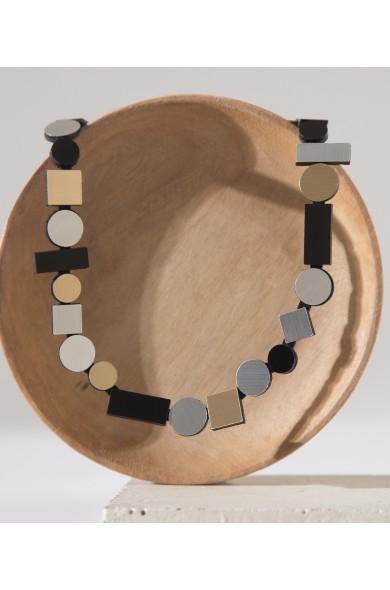
Lucite frees designers to experiment with form. You’ll see chunky geometric rings, curved sculptural pieces, and slender, translucent bands that stack. Color work is where many makers shine — smoky neutrals, candy-bright transparencies, marbled mixes that look like tiny planets on your hand. Some luxury ateliers lean into restrained palettes, while indie creators go full-on saturated color. Both directions work. The material supports both minimal architecture and whimsical maximalism.
Comfort and wearability: surprising practicality
Big lucite rings sometimes look impractical, but many are surprisingly comfortable. Because lucite is lighter than metal, even wide rings don’t weigh you down. Smart makers hollow interiors slightly or design chamfered edges so the ring sits cozy. You’ll want to check sizing closely — lucite doesn’t flex — but once you find the right fit, it’s easy to forget you’re wearing something bold. That comfort is key; a statement piece you can’t wear all day loses half its appeal.
Stylistic pairings: mix and match with ease
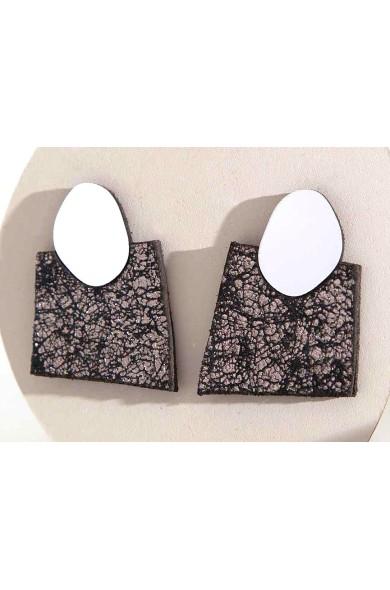
Lucite rings jewelry plays well with others. A clear or neutral lucite ring partners with gold stacks. A colored, chunky oval can be the focal point against minimalist rings. Because lucite isn’t competing on sheen like polished silver or high-karat gold, it can sit comfortably with fabrics and textures — chunky knit sweaters, linen shirts, denim. It also bridges eras: lucite’s retro vibe can nod to mid-century looks, while the clean forms suit contemporary minimalism. That versatility is why stylists and everyday wearers both reach for it.
French jewelry designers and lucite inspiration
There’s a lineage here. Some french jewelry designers, known for marrying art with accessory, experimented with resin and acrylics decades ago. That experimental streak influenced makers worldwide — the way color and form can tell a small story on your hand. Contemporary designers who studied in Parisian ateliers often bring that sculptural sensibility into lucite pieces: restrained lines, balanced proportions, and a focus on silhouette. It’s not about imitating Paris; it’s about adopting a discipline where negative space matters as much as mass.
Care and longevity: practical truths
Lucite will last if you treat it right. It resists shattering but can scratch, so store rings separately, not tossed in a jammed drawer. Clean with a soft cloth and mild soap; avoid harsh solvents that dull the finish. Some pieces come with protective coatings to fight micro-scratches; that helps if you’re rough with jewelry. Sun and heat can affect lower-quality acrylics, so check maker notes. The takeaway: lucite is low-maintenance compared to gemstones that need prizing and re-setting, but it still benefits from basic care.
Collectibility and maker stories
Part of the charm of handcrafted lucite rings jewelry is the story. Many creators are small studios or single artisans who document their process. A ring might be part of a limited drop, or tied to a collection inspired by a city, a season, or a pattern. For collectors, that provenance matters. You’re not just buying a ring; you’re buying a slice of an artist’s output. That small-scale production gives lucite pieces a slightly collectible feel, and sometimes they hold sentimental value that outlasts trends.
Buying tips: what to look for
When shopping, look for clarity and weight — good lucite has a solid feel. Check joins if the piece combines glass, metal, or inlays; seams should be clean. Ask about sizing and whether a comfort-fit interior is used. If a seller references techniques or notes like “buffed finish” or “hand-polished,” that’s a positive sign. Photos in natural light help — you want to see depth, not flat color. And if a piece is linked to a creative brief from a maker, that’s an added layer of trust. These small checks save disappointment.
Conclusion: why lucite deserves a place in the jewelry box
Lucite rings jewelry offers a mix of playfulness and refined design that few materials do as well. Handcrafted pieces bring personality, and nods from french jewelry designers give some lines an elegant restraint. They’re wearable, expressive, and often more affordable than gemstone-heavy alternatives. For anyone building a jewelry collection that values design and daily wear, lucite deserves serious consideration. It’s a material that doesn’t try too hard but rewards a closer look — and that’s why I keep coming back to it.
 English
Join our community to interact with posts!