
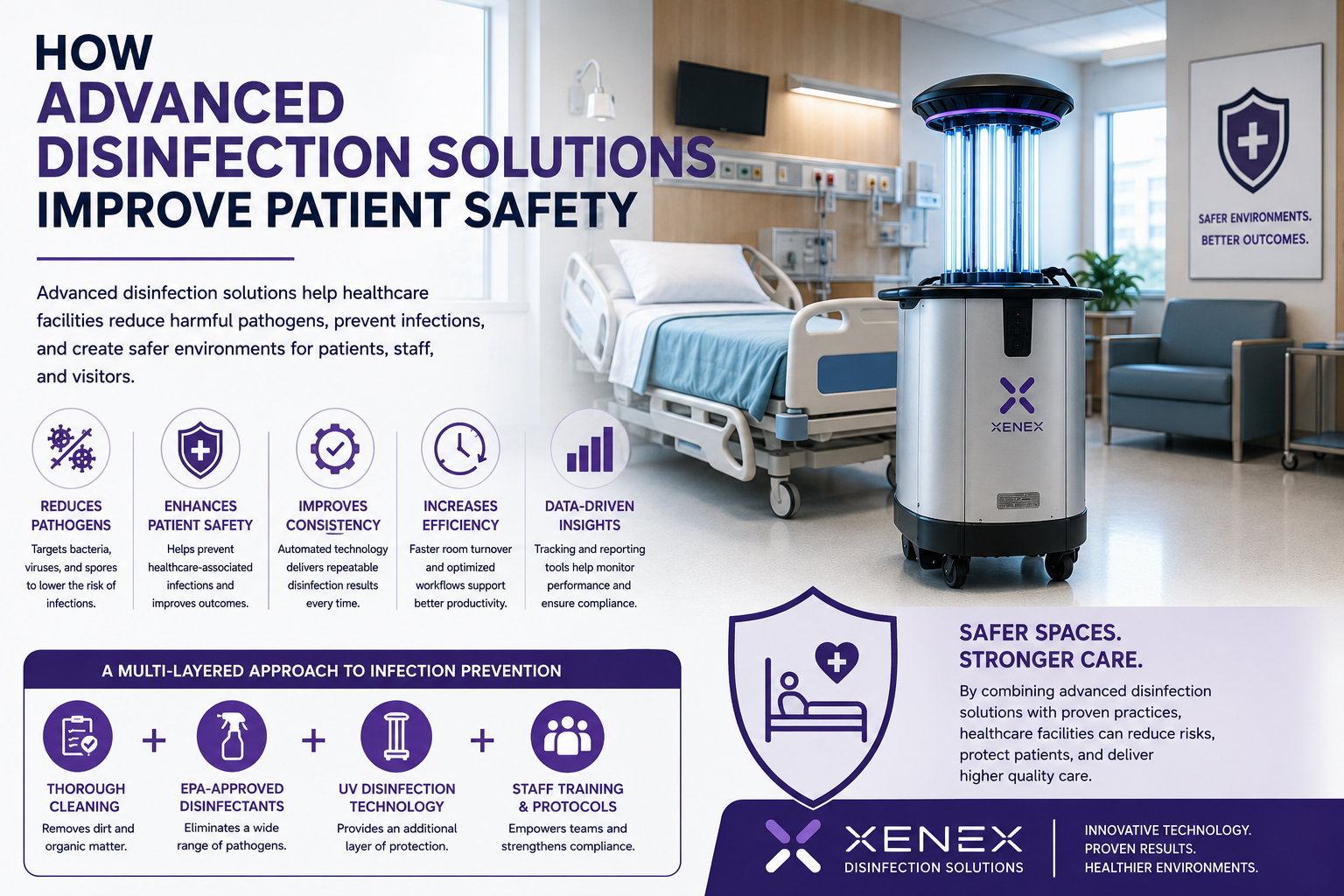
Patient safety is the foundation of quality healthcare. Every healthcare facility strives to create an environment where patients can receive treatment without unnecessary risks, including exposure to harmful pathogens. Despite strict infection prevention protocols, healthcare-associated infections (HAIs) remain a significant challenge for hospitals, surgical centers, and other healthcare environments.
As healthcare organizations continue to strengthen their infection prevention programs, many are adopting innovative technologies that go beyond traditional cleaning practices. Solutions such as Xenex Advanced Disinfection Solutions help healthcare facilities enhance environmental hygiene and reduce the presence of dangerous microorganisms. By combining evidence-based cleaning protocols with advanced disinfection technologies, healthcare providers can significantly improve patient safety and overall quality of care.
Why Patient Safety Depends on Effective Disinfection
Healthcare environments are constantly exposed to bacteria, viruses, fungi, and other pathogens. These microorganisms can survive on surfaces, medical equipment, and high-touch areas, creating opportunities for cross-contamination and infection transmission.
Common contamination points include:
-
Bed rails
-
Overbed tables
-
Medical carts
-
Door handles
-
Light switches
-
Call buttons
-
Bathroom fixtures
-
Shared medical equipment
When environmental surfaces become contaminated, patients may be exposed to harmful pathogens even after receiving successful medical treatment. Effective disinfection helps break this chain of transmission and supports safer healthcare environments.
Understanding Healthcare-Associated Infections (HAIs)
Healthcare-associated infections occur when patients develop infections during the course of receiving medical treatment. These infections can lead to:
-
Extended hospital stays
-
Increased healthcare costs
-
Additional medical complications
-
Higher readmission rates
-
Reduced patient satisfaction
Some of the most concerning healthcare pathogens include:
MRSA
Methicillin-resistant Staphylococcus aureus is resistant to multiple antibiotics and can cause severe infections in vulnerable patients.
Clostridioides difficile (C. difficile)
This bacterium can cause serious gastrointestinal infections and is known for producing resilient spores that persist in healthcare environments.
Vancomycin-Resistant Enterococci (VRE)
VRE infections are difficult to treat and can spread through contaminated surfaces and patient care environments.
Advanced disinfection strategies are designed to reduce these pathogens and support broader infection prevention efforts.
The Limitations of Traditional Cleaning Alone
Manual cleaning remains an essential part of every healthcare facility’s environmental services program. However, traditional cleaning methods face several challenges.
These challenges may include:
-
Human error
-
Missed high-touch surfaces
-
Time constraints between patients
-
Variations in cleaning practices
-
Difficulty reaching certain areas
Even highly trained environmental services teams can unintentionally leave behind microbial contamination. As a result, healthcare organizations increasingly use advanced disinfection technologies to supplement routine cleaning procedures.
What Are Advanced Disinfection Solutions?
Advanced disinfection solutions refer to technologies and processes that enhance standard cleaning and disinfection protocols.
Examples include:
-
UV-C disinfection systems
-
Automated room disinfection technology
-
Environmental monitoring tools
-
Data-driven infection prevention programs
-
Enhanced pathogen reduction systems
These solutions provide an additional layer of protection by targeting microorganisms that may remain after manual cleaning has been completed.
The Role of UV-C Disinfection Technology
One of the most effective advancements in healthcare disinfection is ultraviolet-C (UV-C) technology.
UV-C light destroys microorganisms by disrupting their DNA and RNA, preventing them from reproducing and spreading. Automated UV disinfection systems are typically deployed after routine cleaning and can help reduce pathogens throughout patient care environments.
Benefits of UV-C Technology
Healthcare facilities use UV-C disinfection to support:
-
Pathogen reduction
-
Environmental hygiene improvement
-
Enhanced infection prevention
-
Consistent room disinfection
-
Patient safety initiatives
Because UV technology is automated, it helps create a more standardized and repeatable disinfection process.
Reducing Pathogen Transmission
One of the primary ways advanced disinfection solutions improve patient safety is by reducing pathogen transmission.
Patients often come into contact with surfaces, equipment, and environments previously occupied by others. If harmful microorganisms remain on these surfaces, the risk of infection can increase.
Advanced disinfection systems help reduce contamination on:
High-Touch Surfaces
Frequently touched surfaces are among the most common sources of pathogen transmission. Enhanced disinfection helps reduce microbial presence on these critical contact points.
Patient Rooms
Automated room disinfection systems provide comprehensive pathogen reduction after patient discharge, helping prepare rooms for incoming patients.
Shared Medical Equipment
Disinfection technologies support cleaning protocols for equipment used across multiple patient care areas.
By minimizing environmental contamination, healthcare facilities create safer treatment environments for patients and staff.
Supporting Multi-Layered Infection Prevention Programs
The most successful infection prevention programs rely on multiple layers of protection rather than a single solution.
A comprehensive strategy often includes:
Hand Hygiene
Proper handwashing remains one of the most effective ways to prevent infection transmission.
Manual Cleaning
Routine cleaning removes visible dirt and contamination from healthcare environments.
Hospital-Grade Disinfectants
EPA-registered disinfectants help eliminate a wide range of microorganisms.
Advanced Disinfection Technology
UV-C systems and automated disinfection solutions provide supplemental pathogen reduction.
Together, these measures create a stronger defense against healthcare-associated infections.
Improving Consistency and Compliance
Consistency is critical when protecting patients from environmental pathogens.
Advanced disinfection solutions help healthcare facilities achieve more reliable outcomes by standardizing the disinfection process.
Many modern systems provide:
-
Automated treatment cycles
-
Usage tracking
-
Performance reporting
-
Compliance monitoring
-
Data-driven quality assurance
These features allow healthcare administrators to verify that disinfection protocols are being followed consistently across departments and facilities.
Enhancing Patient Confidence and Satisfaction
Patients and families increasingly pay attention to healthcare cleanliness and infection prevention efforts. Facilities that invest in advanced disinfection technologies often demonstrate a visible commitment to patient well-being.
When patients know that healthcare providers are utilizing innovative pathogen reduction technologies, they may feel more confident in the safety and quality of care they receive.
This confidence can contribute to:
-
Improved patient satisfaction
-
Stronger trust in healthcare providers
-
Better overall patient experiences
The Future of Patient Safety and Healthcare Disinfection
Healthcare organizations continue to face evolving infection prevention challenges. As new pathogens emerge and healthcare environments become increasingly complex, advanced disinfection solutions will play an even greater role in protecting patients.
Technologies such as UV-C disinfection systems, automated room disinfection platforms, and data-driven infection prevention tools are helping facilities strengthen environmental hygiene and reduce infection risks.
By combining traditional cleaning practices with innovative disinfection technologies, healthcare providers can create safer environments, improve patient outcomes, and support long-term patient safety goals. Advanced disinfection solutions are not simply an enhancement to healthcare cleaning—they are becoming an essential component of modern infection prevention strategies.
 English
Join our community to interact with posts!