
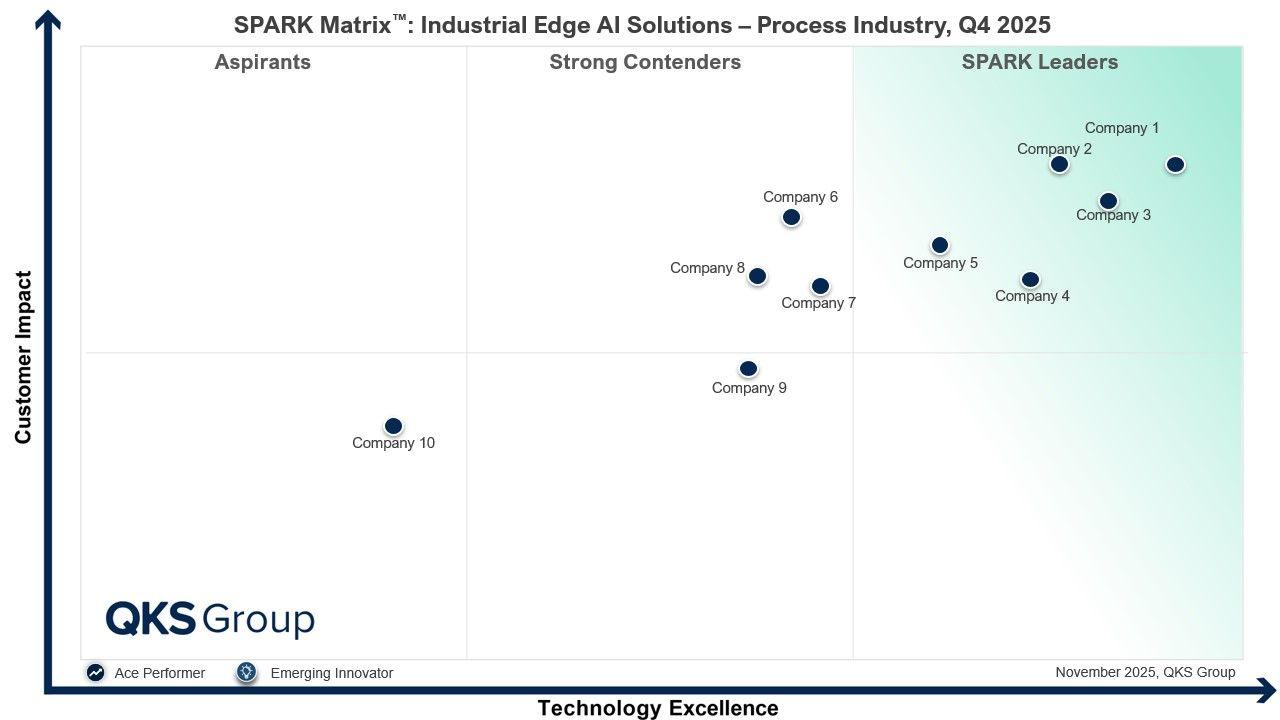
Industrial organizations are generating unprecedented volumes of operational data from sensors, control systems, machines, and connected assets. Yet despite the abundance of information, many organizations continue to struggle with transforming data into timely and actionable insights. In industries where milliseconds can impact safety, production quality, and operational efficiency, waiting for data to travel to centralized systems for analysis is no longer a viable option. This growing challenge is driving rapid adoption across the Industrial Edge AI Solutions-Process Industry Market, where organizations are leveraging edge intelligence to bring analytics, processing, and decision-making closer to critical industrial operations.
The increasing complexity of process industries—including oil and gas, chemicals, power generation, pharmaceuticals, mining, water treatment, and food and beverage manufacturing—has created a strong demand for technologies that can deliver real-time visibility and responsiveness. Traditional cloud-centric architectures provide valuable scalability but often introduce latency, bandwidth constraints, and operational dependencies that limit their effectiveness in mission-critical industrial environments. As a result, industrial enterprises are increasingly investing in edge-based solutions that can process data locally while maintaining seamless integration with enterprise and cloud ecosystems.
Industrial Edge AI Solutions are software-first platforms specifically designed to connect, process, and analyze operational data at or near industrial assets. These solutions reduce reliance on centralized systems by enabling local intelligence, faster analytics, and more secure decision-making. Unlike generic edge computing platforms, Industrial Edge AI Solutions developed by leading process automation vendors are deeply integrated with control systems, historians, SCADA platforms, and plant-level infrastructure. This specialized integration enables organizations to maximize the value of operational data while maintaining reliability, security, and compliance.
The market is experiencing significant momentum due to the growing adoption of Industry 4.0 initiatives and digital transformation strategies. Organizations are under increasing pressure to improve operational efficiency, reduce unplanned downtime, optimize energy consumption, and strengthen asset performance. Industrial edge solutions address these challenges by providing real-time monitoring, predictive analytics, anomaly detection, and automated decision support directly within operational environments.
One of the primary drivers of market growth is the rise of artificial intelligence and machine learning in industrial operations. Modern process industries require continuous monitoring of thousands of interconnected assets and processes. AI-powered edge platforms can analyze vast amounts of operational data in real time, identifying patterns, detecting abnormalities, and predicting equipment failures before they occur. This capability allows organizations to move from reactive maintenance strategies to predictive and condition-based maintenance models, significantly improving equipment reliability and reducing operational costs.
Beyond maintenance optimization, Industrial Edge AI Solutions are enabling new levels of process intelligence. Operators can leverage edge analytics to monitor production quality, optimize process parameters, reduce waste, and improve throughput. Because analysis occurs closer to the source of data generation, organizations can make decisions faster and with greater accuracy. This capability is particularly valuable in process industries where operational disruptions can have significant financial and safety implications.
The growing convergence of Information Technology (IT) and Operational Technology (OT) is another major factor influencing the evolution of the Industrial Edge AI Solutions-Process Industry Market. Historically, industrial systems operated independently from enterprise applications. However, modern organizations increasingly require integrated environments that facilitate seamless data exchange between production assets and business systems. Industrial Edge AI platforms act as a bridge between these domains, enabling secure connectivity while maintaining operational integrity.
Cybersecurity remains a critical concern across industrial sectors. As industrial environments become more connected, organizations face increasing exposure to cyber threats targeting operational infrastructure. Industrial Edge AI Solutions help address these concerns by supporting localized data processing, minimizing unnecessary data transmission, and incorporating advanced security controls directly within edge environments. Features such as secure device management, encrypted communications, access controls, and threat monitoring help organizations strengthen their overall cybersecurity posture.
Another important trend shaping the market is the increasing adoption of hybrid architectures that combine edge and cloud capabilities. While edge platforms excel at real-time processing and localized decision-making, cloud environments provide long-term storage, advanced analytics, and enterprise-wide visibility. Together, these architectures enable organizations to achieve the optimal balance between performance, scalability, and operational flexibility. This hybrid approach is becoming increasingly common as organizations seek to maximize the value of industrial data while maintaining operational resilience.
Industrial automation vendors continue to invest heavily in expanding their edge AI portfolios. Leading providers are integrating advanced capabilities such as machine learning models, digital twins, containerized applications, remote device management, edge orchestration, and low-code development environments into their platforms. These innovations are making industrial edge solutions more scalable, flexible, and accessible across diverse industrial use cases.
The competitive landscape remains highly dynamic, with automation leaders focusing on delivering comprehensive edge ecosystems that support both current and future operational requirements. Vendors are differentiating themselves through technology innovation, ecosystem partnerships, deployment flexibility, cybersecurity capabilities, and seamless integration with existing automation infrastructures. As organizations continue to prioritize digital transformation, these capabilities will play an increasingly important role in vendor selection and market leadership.
Looking ahead, the future of industrial edge intelligence appears exceptionally promising. The expansion of Industrial IoT deployments, increasing adoption of private 5G networks, advancements in AI technologies, and growing demand for autonomous operations will continue to fuel market growth. Organizations are recognizing that edge intelligence is no longer simply an operational enhancement but a strategic requirement for achieving agility, resilience, and competitiveness in modern industrial environments.
As process industries continue their digital transformation journeys, the Industrial Edge AI Solutions-Process Industry Market will remain a critical enabler of innovation and operational excellence. By bringing intelligence closer to industrial assets, these solutions empower organizations to make faster decisions, improve asset performance, enhance security, and unlock new opportunities for efficiency and growth. Enterprises that successfully embrace industrial edge AI will be well-positioned to thrive in an increasingly connected, data-driven industrial future.
 English
Join our community to interact with posts!