
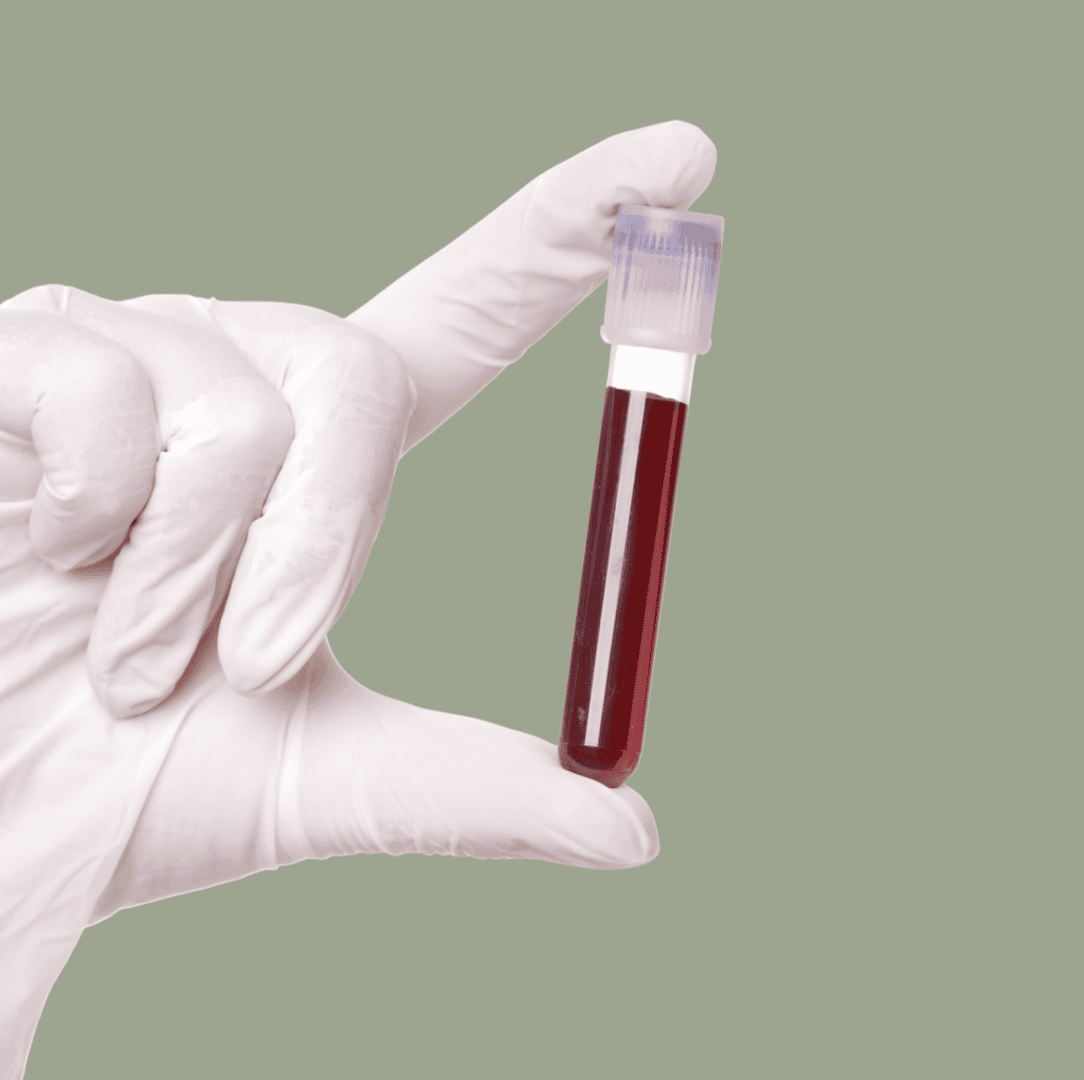
Marriage is often associated with emotional commitment, cultural traditions, and shared life goals. However, modern healthcare has added an important scientific layer to this journey: understanding health before starting a family. A Marriage Blood Test in Dubai, also known as premarital health screening, plays a crucial role in future family planning by identifying medical conditions that may affect fertility, pregnancy, or inherited health risks.
Many couples focus on wedding arrangements but overlook preventive healthcare. Yet, the decisions made before marriage can significantly influence the health of future children and the overall well-being of both partners. This is why doctors increasingly recommend premarital blood tests as part of responsible family planning and reproductive health awareness.
This guide explains how marriage blood tests support future family planning and why they are becoming an essential step for couples preparing for long-term life together.
Understanding the Role of Marriage Blood Tests in Family Planning:
A marriage blood test is a group of laboratory screenings performed before marriage to evaluate genetic health, blood compatibility, infectious diseases, and general medical conditions. These tests are not designed to evaluate relationship suitability but to provide medical insight that helps couples plan a healthy future family.
Future family planning involves understanding how inherited conditions, blood disorders, or infections may affect pregnancy outcomes or be passed on to children. Premarital screening provides early awareness, allowing couples to seek medical advice before conception.
By identifying potential risks early, couples can make informed choices about timing, treatment, and reproductive options.
Early Detection of Genetic Disorders for Healthier Children:
One of the most important benefits of marriage blood testing is identifying inherited genetic conditions before starting a family.
Conditions such as thalassemia and sickle cell disease are often included in premarital screening because they are passed from parents to children through genes. Many individuals are carriers without showing any symptoms, which makes testing essential.
If both partners carry the same genetic trait, there is a higher chance that their child may inherit the condition. Early detection allows couples to consult genetic counselors who explain inheritance patterns, pregnancy risks, and available medical options.
This knowledge helps couples prepare emotionally and medically for future family planning decisions.
Supporting Safer and Healthier Pregnancies:
A marriage blood test also contributes to safer pregnancy outcomes by identifying health conditions that may affect the mother or child.
Blood group and Rh factor testing is particularly important. If the mother is Rh-negative and the father is Rh-positive, there is a possibility of Rh incompatibility during pregnancy. However, modern prenatal care can easily manage this condition when detected early.
In addition, screening for infections such as HIV, hepatitis B, and hepatitis C ensures early diagnosis and treatment. These infections, if untreated, can affect pregnancy outcomes or be transmitted to the baby. Early medical intervention significantly reduces these risks.
By addressing these concerns before pregnancy, couples can ensure safer maternal health and improved fetal development.
Preventing the Transmission of Inherited Diseases:
Inherited diseases are one of the key concerns in family planning. A marriage blood test helps identify whether both partners carry genes associated with hereditary disorders.
Carrier screening plays an important role in preventing the transmission of genetic conditions to future generations. If both partners are carriers, healthcare professionals may recommend genetic counseling to explore reproductive options such as prenatal testing, in vitro fertilization with genetic screening, or other medical solutions.
This proactive approach reduces the emotional and financial burden of managing inherited diseases later in life.
Improving Fertility Awareness and Reproductive Health:
While a marriage blood test does not directly diagnose infertility, it provides valuable insights into overall reproductive health. Conditions such as hormonal imbalances, infections, anemia, or chronic diseases can indirectly affect fertility and pregnancy outcomes.
Early detection allows couples to address underlying health concerns before trying to conceive. In some cases, lifestyle changes, medical treatment, or nutritional support can improve reproductive health and increase the chances of a healthy pregnancy.
Understanding fertility-related health factors before marriage helps couples plan family timing more effectively.
Strengthening Preventive Healthcare Habits in Couples:
Another key benefit of premarital blood testing is the promotion of preventive healthcare habits. Couples who undergo screening together often become more aware of their health responsibilities.
This awareness encourages regular medical checkups, healthier lifestyle choices, and better communication about health-related issues. Preventive healthcare is especially important in family planning because it reduces the risk of complications during pregnancy and childbirth.
When both partners are informed about their health status, they are more likely to take proactive steps toward long-term wellness.
Reducing Emotional and Financial Stress in the Future:
Undiagnosed medical conditions can lead to unexpected emotional and financial stress during pregnancy or after childbirth. A marriage blood test helps reduce this uncertainty by identifying potential health risks early.
For example, managing genetic disorders or infectious diseases after pregnancy has already begun can be more complex and stressful. Early detection allows couples to prepare in advance, both emotionally and financially, for any medical care that may be needed.
This proactive approach leads to more confident and stable family planning decisions.
Encouraging Informed Decision-Making Between Partners:
Open communication is essential for successful marriage and family planning. A marriage blood test encourages couples to discuss health history, genetic risks, and future reproductive goals.
When both partners understand their medical compatibility, they can make informed decisions together. This transparency strengthens trust and helps build a foundation of mutual responsibility for future children’s health.
Healthcare professionals often emphasize that informed decision-making is one of the strongest benefits of premarital screening.
Key Tests That Support Family Planning Goals:
Several laboratory tests included in marriage blood screening directly support future family planning.
Genetic Carrier Screening:
Identifies inherited conditions such as thalassemia and sickle cell disease that may affect children.
Blood Group and Rh Factor Testing:
Helps manage pregnancy-related blood compatibility issues.
Infectious Disease Screening:
Detects HIV, hepatitis B, and hepatitis C to prevent transmission during pregnancy.
Complete Blood Count (CBC):
Evaluates overall health and identifies anemia or infections that may affect pregnancy.
Additional Hormonal or Specialized Tests:
Recommended in certain cases based on medical history or fertility concerns.
Each of these tests plays a role in ensuring a healthier reproductive future.
Who Should Prioritize Marriage Blood Testing for Family Planning?
While all couples can benefit from premarital screening, it is especially important for those who:
-
Plan to have children soon after marriage
-
Have a family history of genetic disorders
-
Belong to populations with higher prevalence of inherited diseases
-
Have not undergone recent medical checkups
-
Want to ensure a safe and informed pregnancy journey
Healthcare providers customize testing based on individual risk factors to ensure accurate results.
Frequently Asked Questions:
Does a marriage blood test guarantee a healthy baby?
No medical test can guarantee outcomes, but it significantly reduces risks by identifying potential health issues early.
Can genetic disorders be prevented?
Genetic conditions cannot be changed, but their risks can be managed through early detection and medical guidance.
Is premarital screening necessary if both partners feel healthy?
Yes. Many health conditions do not show symptoms and can only be detected through laboratory testing.
Can results influence family planning decisions?
Yes. Results help couples decide on timing, medical support, and reproductive options.
Should genetic counseling always be done?
It is recommended when both partners carry the same genetic condition or when risks are identified.
Building a Healthier Future Through Awareness:
Family planning is not only about timing and readiness but also about health awareness and prevention. A marriage blood test provides essential information that helps couples understand genetic risks, infectious diseases, and overall reproductive health before starting a family.
By identifying potential issues early, couples can work with healthcare professionals to create safe and informed plans for future pregnancies. This proactive approach reduces risks, improves pregnancy outcomes, and supports healthier children.
Final Thoughts:
The key benefits of a marriage blood Lab tests extend far beyond the wedding day. It plays a vital role in future family planning by promoting early detection, preventing genetic disorders, improving pregnancy safety, and encouraging responsible healthcare decisions.
Couples who choose premarital screening gain more than medical reports—they gain clarity, confidence, and control over their future family health. With the guidance of healthcare professionals, marriage blood testing becomes a powerful step toward building a healthier, more informed, and well-prepared family life together.
 English
Join our community to interact with posts!