
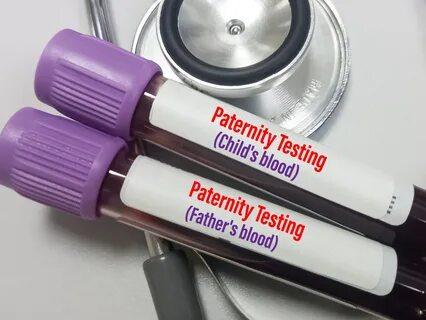
DNA testing works by comparing genetic markers from the child and the alleged father. In some cases, the mother’s DNA may also be included to improve the clarity of the analysis. The most common collection method is a buccal swab, but blood samples and prenatal samples may also be used depending on the circumstances.
This article explains the primary sample collection methods used in Paternity Test in Dubai, their advantages, limitations, and the situations in which each method may be appropriate.
Why Sample Collection Matters?
The accuracy of a paternity test depends on obtaining a clean and uncontaminated DNA sample. Improper collection, labeling, or handling can compromise the integrity of the sample and may affect the reliability of the results.
Proper sample collection helps ensure:
-
Sufficient DNA is available for analysis.
-
The sample belongs to the correct individual.
-
Contamination from food, drink, or other DNA sources is minimized.
-
The chain of custody is maintained when the test is intended for legal use.
Buccal Swab Collection:
What Is a Buccal Swab?
A buccal swab is the most common method used for paternity testing. It involves gently rubbing a sterile cotton swab or foam-tipped applicator along the inside of the cheek to collect epithelial cells that contain DNA.
How the Process Works?
-
The individual avoids eating, drinking, smoking, or chewing gum for a short period before collection, usually about 30 minutes.
-
A sterile swab is rubbed against the inner cheek for a specified amount of time.
-
Multiple swabs may be collected from each participant to ensure an adequate DNA sample.
-
The swabs are allowed to dry and are then placed in labeled collection containers or envelopes.
Advantages of Buccal Swabs:
-
Non-invasive and painless.
-
Easy to perform at home or in a collection facility.
-
Suitable for individuals of all ages, including newborns and children.
-
Provides high-quality DNA for accurate analysis.
-
Cost-effective and widely available.
Limitations:
-
Samples can be contaminated if collection instructions are not followed.
-
For legal paternity tests, collection usually must be supervised and documented.
Blood Sample Collection
What Is a Blood Sample?
A blood sample involves drawing blood from a vein, usually in the arm, and using the white blood cells as a source of DNA.
When Blood Samples Are Used?
Blood samples are less common for routine paternity testing because buccal swabs provide sufficient DNA in most cases. However, blood samples may be used when:
-
A buccal swab sample cannot be obtained.
-
Additional medical or genetic testing is being performed simultaneously.
-
A laboratory or healthcare provider specifically requires a blood sample.
Advantages of Blood Samples:
-
Provides a reliable source of DNA.
-
Can be useful in certain medical or forensic situations.
-
May be preferred when other types of genetic analysis are needed.
Limitations:
-
Invasive and may cause minor discomfort.
-
Requires collection by a trained healthcare professional.
-
Generally more expensive and less convenient than buccal swabs.
Prenatal Sample Collection Methods:
When paternity needs to be determined before birth, prenatal paternity testing may be considered. These methods involve collecting fetal DNA during pregnancy.
Non-Invasive Prenatal Paternity Testing (NIPP):
NIPP is the preferred prenatal method because it poses no direct risk to the fetus. A blood sample is taken from the pregnant mother, and fetal DNA circulating in the mother’s bloodstream is analyzed and compared with the alleged father’s DNA.
Advantages of NIPP:
-
Can often be performed from about 8 to 10 weeks of pregnancy.
-
Non-invasive and safe for the pregnancy.
-
Provides highly accurate results when performed by an accredited laboratory.
Chorionic Villus Sampling (CVS):
CVS involves collecting a small sample of placental tissue for genetic analysis. Because the placenta contains fetal genetic material, it can be used for paternity testing.
Considerations for CVS:
-
Usually performed between 10 and 13 weeks of pregnancy.
-
Invasive and carries a small risk of complications, including miscarriage.
-
Generally performed for medical diagnostic reasons rather than solely for paternity testing.
Amniocentesis:
Amniocentesis involves collecting a sample of amniotic fluid, which contains fetal cells that can be analyzed for DNA.
Considerations for Amniocentesis:
-
Typically performed between 15 and 20 weeks of pregnancy.
-
Invasive and carries a small risk of complications.
-
Usually recommended for medical diagnostic purposes rather than solely for paternity determination.
Alternative DNA Sample Sources:
In some situations, standard buccal swabs or blood samples may not be available. Laboratories may be able to extract DNA from alternative biological materials, although these samples may be less reliable or require additional testing.
Hair Samples:
Hair with the root attached may contain DNA. However, hair without the root generally does not provide sufficient nuclear DNA for paternity testing.
Nail Clippings:
Nail clippings may contain DNA, but the quantity and quality can vary. These samples are usually considered secondary options when standard samples are unavailable.
Toothbrushes and Personal Items:
Items such as toothbrushes, razors, or used tissues may contain trace DNA. These samples are often used in special circumstances, such as when a direct sample cannot be obtained, but they may present challenges related to contamination and sample quality.
Legal Paternity Test Collection Procedures:
When paternity test results are intended for legal purposes, the sample collection process must follow strict chain-of-custody procedures. This ensures that the samples are properly identified, collected, and handled so the results can be accepted in court.
Key Elements of Chain of Custody:
-
Verification of the identity of each participant using government-issued identification or other approved methods.
-
Collection of samples by an authorized professional or trained collector.
-
Proper labeling, sealing, and documentation of all samples.
-
Secure transportation of samples to the laboratory.
-
Maintenance of records showing who handled the samples at each stage.
At-home paternity tests are generally suitable for personal knowledge, but they may not be admissible in court unless the collection process meets legal chain-of-custody requirements.
Comparing Sample Collection Methods:
| Method | Invasiveness | Common Use |
|---|---|---|
| Buccal swab | Non-invasive | Routine paternity testing |
| Blood sample | Invasive | Medical or special testing situations |
| NIPP | Non-invasive | Prenatal paternity testing |
| CVS | Invasive | Prenatal testing for medical reasons |
| Amniocentesis | Invasive | Prenatal testing for medical reasons |
Best Practices for Accurate Sample Collection:
-
Follow all instructions provided by the testing laboratory or collection kit.
-
Avoid eating, drinking, smoking, or chewing gum before buccal swab collection.
-
Use only sterile collection materials provided or approved by the laboratory.
-
Label samples clearly and accurately.
-
Allow swabs to dry completely before packaging them.
-
For legal tests, ensure that collection is supervised and documented according to chain-of-custody requirements.
Choosing the Right Collection Method:
The appropriate sample collection method depends on the purpose of the paternity test, the individuals involved, and whether the results will be used for legal proceedings.
-
For personal knowledge: Buccal swabs are usually the simplest and most convenient option.
-
For legal paternity testing: Buccal swabs collected under chain-of-custody procedures are commonly used.
-
For prenatal testing: Non-invasive prenatal paternity testing is generally the safest preferred method.
-
For special circumstances: Blood samples or alternative DNA sources may be considered when standard samples are unavailable.
Conclusion:
Understanding paternity Lab tests sample collection methods is essential for ensuring accurate and reliable DNA testing results. The buccal swab remains the most widely used method because it is non-invasive, painless, and capable of providing high-quality DNA for analysis.
Other methods, such as blood samples and prenatal DNA testing, may be appropriate in specific medical or legal situations. For tests intended for court use, strict chain-of-custody procedures are necessary to maintain the integrity and admissibility of the results.
By selecting the appropriate collection method and following proper procedures, individuals can ensure that their paternity test results are both accurate and trustworthy.
 English
Join our community to interact with posts!