
Introduction
Business downtime is one of the most expensive challenges organizations can face. Whether caused by cyberattacks, hardware failures, natural disasters, or human error, unexpected disruptions can halt operations, reduce productivity, and negatively impact customer trust. For small and medium-sized businesses (SMBs), even a few hours of downtime can result in significant financial losses and long-term reputational damage.
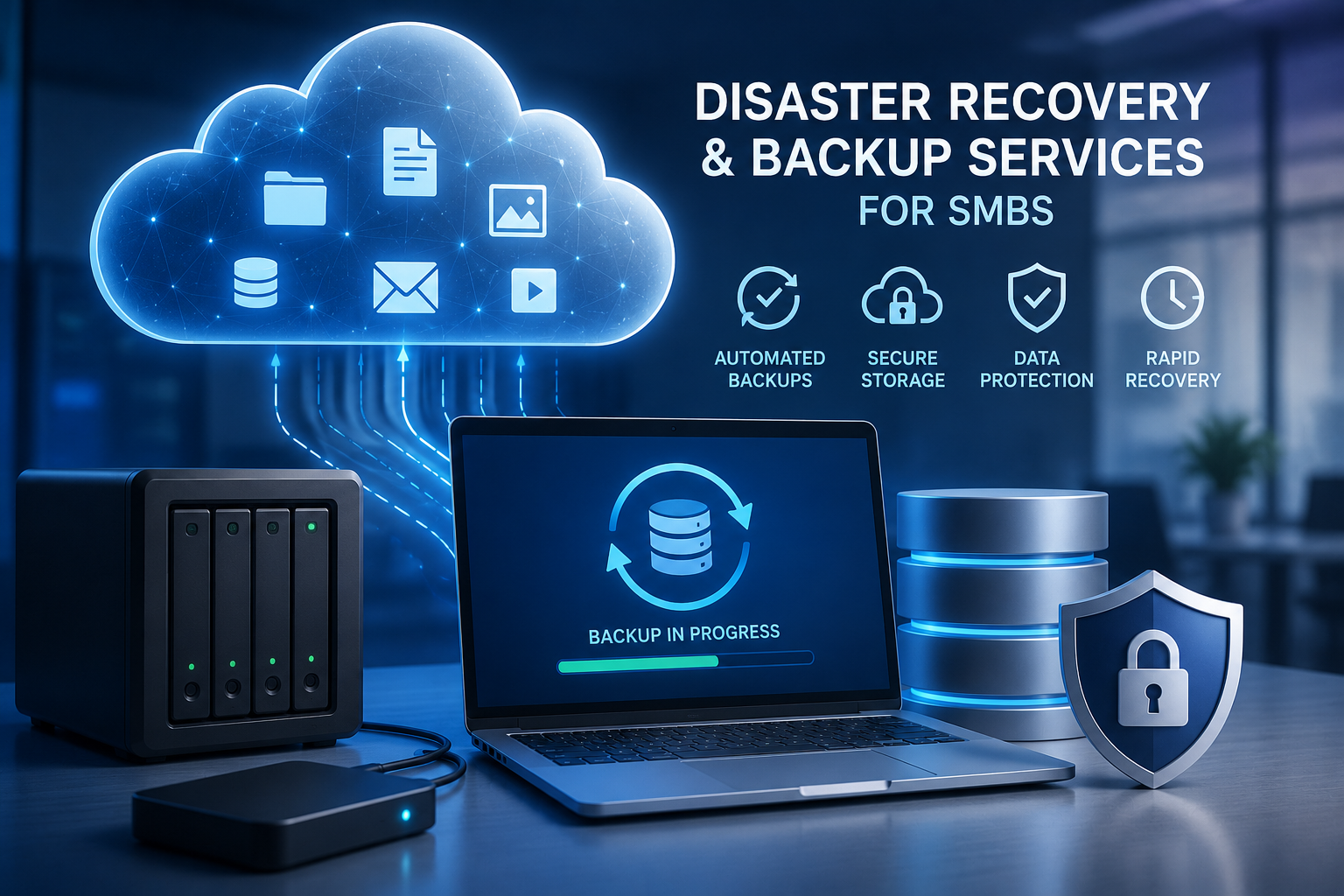
Implementing a reliable backup and disaster recovery (BDR) strategy is one of the most effective ways to minimize these risks. Combined with modern cloud technologies, businesses can protect critical data, restore systems quickly, and maintain operational continuity during unexpected events.
Understanding Business Downtime
Business downtime refers to any period when essential IT systems, applications, or business services become unavailable. During downtime, employees may be unable to access files, customers may experience service interruptions, and normal business operations can come to a standstill.
Downtime can affect every aspect of a business, including:
- Lost sales and revenue
- Reduced employee productivity
- Missed customer opportunities
- Delayed projects and operations
- Damage to brand reputation
- Increased recovery expenses
The longer systems remain offline, the greater the overall business impact.
Common Causes of Business Downtime
Several factors can interrupt business operations unexpectedly.
Cybersecurity Attacks
Ransomware, malware, and phishing attacks continue to rise, often locking businesses out of their own systems until data is recovered or restored.
Hardware Failures
Servers, storage devices, and networking equipment can fail without warning, making critical business applications unavailable.
Human Error
Accidental deletion of files, incorrect software configurations, or improper system updates can disrupt daily operations.
Natural Disasters
Floods, fires, storms, and other environmental events can damage physical infrastructure and prevent access to important business systems.
Software and Network Issues
Application failures, operating system crashes, or network outages can interrupt communication and business workflows.
How Backup Protects Critical Business Data
Data backup creates secure copies of business information that can be restored when original files become unavailable or corrupted.
Regular backups provide several important benefits:
- Prevent permanent data loss
- Restore deleted or damaged files
- Protect customer and financial records
- Support regulatory compliance
- Improve business resilience
Automated backup solutions ensure that data is consistently protected without relying on manual processes.
The Role of Disaster Recovery in Business Continuity
While backups protect data, disaster recovery focuses on restoring entire business operations after an incident.
A comprehensive disaster recovery plan includes:
- Recovery procedures for servers and applications
- Cloud-based recovery environments
- Recovery Time Objectives (RTO)
- Recovery Point Objectives (RPO)
- Communication plans during emergencies
- Ongoing testing and maintenance
Together, backup and disaster recovery create a complete business continuity strategy.
Why Cloud Technology Improves Recovery
Traditional backup methods often require lengthy restoration times and expensive hardware replacements. Cloud technology has transformed disaster recovery by providing faster, more flexible recovery options.
Cloud-based backup and recovery solutions offer:
- Automatic data synchronization
- Secure offsite storage
- Rapid system recovery
- Remote access from any location
- Lower infrastructure costs
- Easy scalability as businesses grow
These capabilities significantly reduce downtime while improving overall operational resilience.
Best Practices for Minimizing Business Downtime
Businesses can strengthen their disaster recovery strategy by following several best practices.
Perform Regular Backups
Critical business data should be backed up automatically throughout the day to reduce potential data loss.
Test Recovery Procedures
Recovery plans should be tested regularly to ensure systems can be restored quickly during real emergencies.
Prioritize Critical Systems
Identify the most important business applications and restore them first to minimize operational disruption.
Strengthen Cybersecurity
Firewalls, endpoint protection, multi-factor authentication, and employee cybersecurity training reduce the likelihood of security incidents.
Keep Disaster Recovery Plans Updated
As technology evolves, disaster recovery plans should be reviewed and updated to reflect changes in infrastructure and business operations.
The Financial Benefits of Backup and Disaster Recovery
Investing in backup and disaster recovery is far more affordable than recovering from prolonged downtime.
Businesses benefit from:
- Lower recovery costs
- Reduced operational interruptions
- Faster return to productivity
- Improved customer satisfaction
- Greater regulatory compliance
- Better protection against ransomware
A proactive recovery strategy helps organizations avoid the significant financial consequences associated with unexpected disruptions.
Enhance Business Resilience with Secure Cloud Backup Solutions
Modern businesses require more than traditional backup methods to stay protected against evolving threats. PEXO provides secure cloud backup solutions that help organizations safeguard critical data, automate backups, and recover quickly after unexpected disruptions. Their cloud transformation expertise enables businesses to modernize their IT infrastructure, improve disaster recovery capabilities, and maintain continuous operations with scalable, secure, and reliable cloud technologies. By leveraging cloud-based backup solutions, businesses can reduce downtime, strengthen data security, and ensure long-term operational resilience.
Conclusion
Business downtime can occur at any time, but its impact can be greatly reduced with a well-planned backup and disaster recovery strategy. Protecting critical data, implementing cloud-based recovery solutions, and regularly testing recovery procedures allow businesses to respond quickly to unexpected events while minimizing financial losses.
As organizations continue to embrace digital transformation, cloud-powered backup and disaster recovery have become essential investments rather than optional safeguards. By adopting proactive recovery strategies and partnering with experienced cloud service providers, SMBs can improve business continuity, enhance cybersecurity, and maintain uninterrupted operations even during challenging circumstances.
 English
Join our community to interact with posts!