
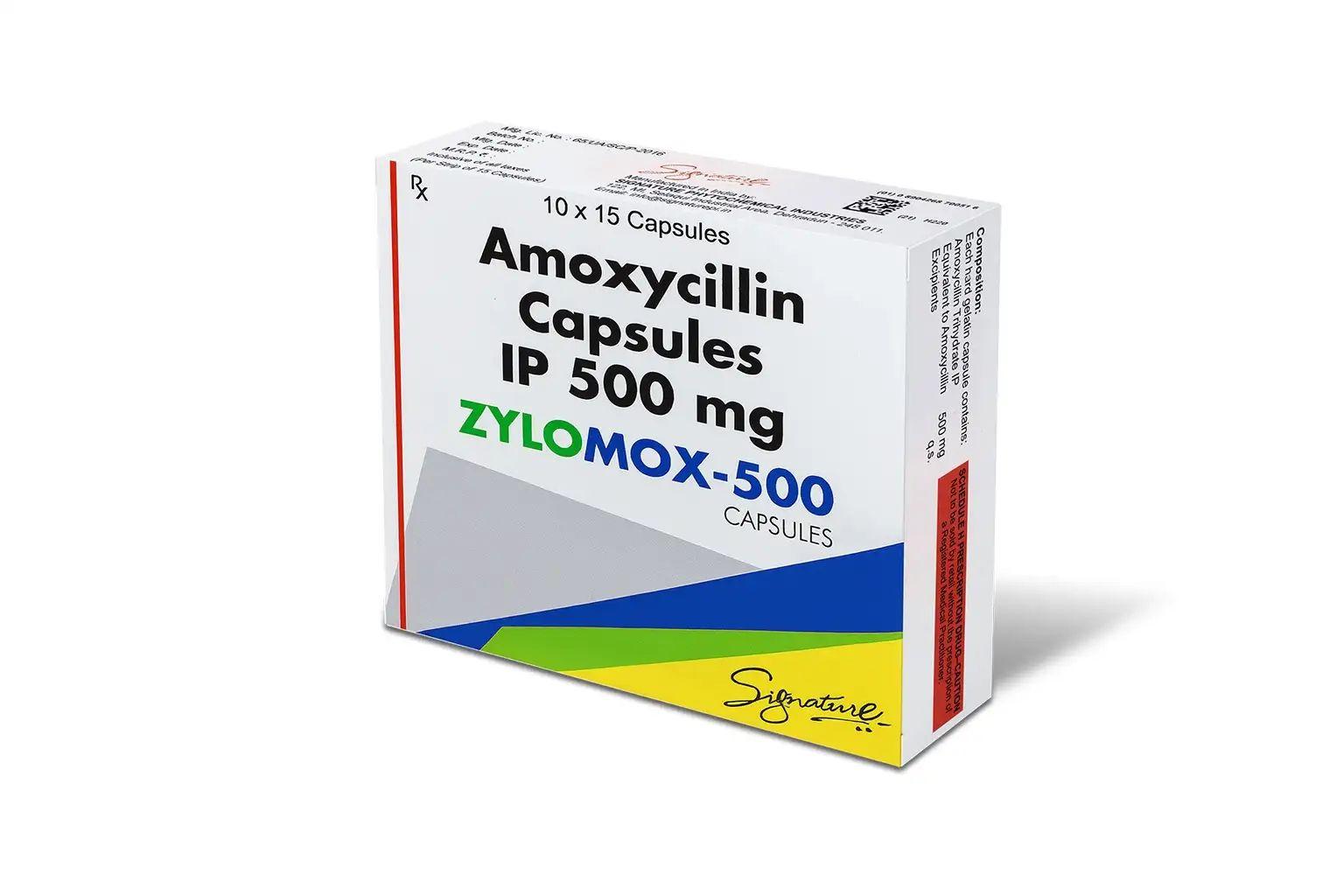
Antibiotics have become an essential part of modern healthcare because they help treat bacterial infections that could otherwise lead to serious complications. Among the most commonly prescribed antibiotics is Amoxicillin 500mg, which has been used for decades due to its effectiveness against many susceptible bacteria. Healthcare professionals prescribe this medication for various infections affecting different parts of the body, making it one of the most recognized antibiotics worldwide.
Although Amoxicillin is highly effective when used correctly, many people are unsure about when it should be taken, how it works, and why it should never be used without medical advice. Understanding its common uses and proper administration helps patients receive the maximum benefit while reducing unnecessary antibiotic use.
What Is Amoxicillin 500mg?
Amoxicillin belongs to the penicillin family of antibiotics. It works by preventing bacteria from building their protective cell walls. Without these cell walls, bacteria cannot survive, allowing the body's immune system to clear the infection more effectively.
Unlike medicines that treat viral illnesses, Amoxicillin is only effective against bacterial infections caused by susceptible bacteria. It should never be used to treat viral conditions such as the common cold, influenza, or most cases of viral sore throat.
Why Doctors Prescribe Amoxicillin
Healthcare providers prescribe Amoxicillin because of its broad antibacterial activity and well-established safety profile when used appropriately. Before prescribing the medication, doctors evaluate several important factors, including:
- The type of infection
- The likely bacteria causing the illness
- Patient age
- Medical history
- Drug allergies
- Kidney function
- Previous antibiotic use
This careful evaluation helps ensure the medicine is appropriate for each patient.
Common Uses of Amoxicillin 500mg
Respiratory Tract Infections
Respiratory bacterial infections are one of the most common reasons Amoxicillin is prescribed. These infections may affect the lungs, bronchi, or upper airways. When bacteria are confirmed or strongly suspected, Amoxicillin may help eliminate the infection and reduce symptoms.
Throat Infections
Bacterial throat infections, particularly those caused by Streptococcus bacteria, often require antibiotic treatment. Patients may experience severe sore throat, swollen tonsils, fever, and difficulty swallowing. Medical testing usually confirms the diagnosis before treatment begins.
Sinus Infections
Although many sinus infections are viral, bacterial sinusitis sometimes develops after symptoms persist or worsen. In these cases, healthcare professionals may recommend Amoxicillin depending on the patient's condition and current treatment guidelines.
Ear Infections
Ear infections frequently affect children but also occur in adults. Persistent ear pain, fever, reduced hearing, and fluid buildup may indicate bacterial involvement requiring antibiotic therapy.
Skin and Soft Tissue Infections
Cuts, insect bites, burns, or wounds can occasionally become infected by bacteria. Skin infections often cause redness, swelling, warmth, tenderness, and sometimes pus formation. Proper medical evaluation helps determine whether antibiotics are necessary.
Urinary Tract Infections
Some urinary tract infections are caused by bacteria that respond to Amoxicillin. Symptoms may include painful urination, increased urinary frequency, pelvic discomfort, and cloudy urine. However, healthcare providers select antibiotics based on the bacteria involved and local resistance patterns.
Dental Infections
Dentists may prescribe Amoxicillin to treat bacterial dental infections or help prevent infection following certain dental procedures in appropriate patients. It remains one of the commonly used antibiotics in dental care.
How to Take Amoxicillin Properly
Taking antibiotics correctly plays a major role in successful treatment. Patients should always follow the instructions provided by their healthcare professional.
General recommendations include:
- Take each dose exactly as prescribed.
- Complete the full course of treatment.
- Avoid skipping doses.
- Do not stop taking the medicine simply because symptoms improve.
- Follow any food-related instructions given by your healthcare provider or pharmacist.
Consistency helps maintain adequate antibiotic levels in the body, improving treatment success.
Possible Side Effects
Like all medicines, Amoxicillin may cause side effects in some individuals. Most reactions are mild and temporary.
Common side effects may include:
- Nausea
- Mild diarrhea
- Stomach discomfort
- Skin rash
- Vomiting in some cases
Serious allergic reactions are uncommon but require immediate medical attention. Patients with known penicillin allergies should inform their healthcare provider before beginning treatment.
Avoiding Antibiotic Resistance
Antibiotic resistance occurs when bacteria adapt and become difficult to eliminate with existing medications. This global health issue has increased largely because of unnecessary or improper antibiotic use.
Patients can help reduce resistance by:
- Using antibiotics only when prescribed.
- Never taking leftover medication.
- Avoiding self-medication.
- Completing the prescribed treatment course.
- Never sharing antibiotics with others.
Responsible use protects both current and future patients.
Supporting Recovery
Medication works best when combined with healthy recovery habits. Patients can support healing by:
- Drinking enough water.
- Eating a balanced diet.
- Getting adequate sleep.
- Avoiding smoking.
- Following medical advice carefully.
- Returning for follow-up if symptoms worsen or fail to improve.
These lifestyle measures complement antibiotic therapy and promote overall recovery.
Choosing a Trusted Pharmacy
Quality medications should always be obtained from reliable sources. Authentic products, proper storage conditions, and accurate medicine information contribute to safe treatment.
For patients prescribed Zylomox 500mg, IverCares offers detailed product information, medication guidance, dosage details, and educational healthcare resources. Access to trustworthy information helps patients better understand their prescribed medicines while encouraging responsible antibiotic use.
When to Contact Your Doctor
Patients should seek medical advice if:
- Symptoms continue after completing treatment.
- Fever persists or worsens.
- Severe diarrhea develops.
- Signs of an allergic reaction occur.
- New symptoms appear during treatment.
Prompt communication with a healthcare provider helps ensure the most appropriate medical care.
Conclusion
Amoxicillin 500mg remains one of the most widely prescribed antibiotics because of its effectiveness against many susceptible bacterial infections. From respiratory illnesses and throat infections to urinary tract, skin, ear, and dental infections, it continues to play an important role in modern medical treatment when prescribed appropriately.
Products such as Zylomox 500mg provide an Amoxicillin 500mg formulation that should always be used under professional medical supervision. By following the prescribed dosage, completing the full course, and obtaining medicines from trusted providers like IverCares, patients can support successful treatment while helping preserve the effectiveness of antibiotics for future generations.
 English
Join our community to interact with posts!