
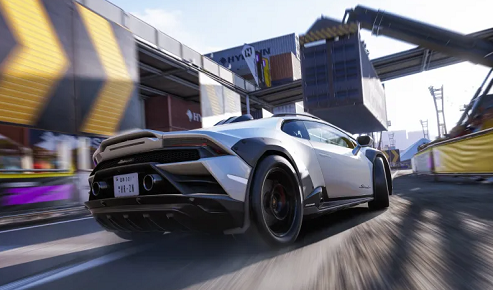
The Alfa Romeo Giulia GTA rewards a measured approach. It is quick in standard form, but its real strength shows up when you stop treating it like a straight-line hero and start working with its balance. The car turns in cleanly, carries speed through medium corners, and feels light enough to correct when a line goes wrong. That makes it a smart choice for players who want to spend their FH6 Credits on a build that remains enjoyable instead of becoming a difficult handful. Before buying every available part, drive a few races with the factory setup. Pay attention to where the car loses time. You may find that the stock engine already gives you enough pace for A-class or lower S1 road events, while the chassis still has plenty of room for improvement.
Build Around the Way You Drive
There is no single Giulia GTA tune that works perfectly for every event. If you spend most of your time on technical circuits, keep the original engine and improve the parts that help the car stay composed. Race suspension, adjustable anti-roll bars, a race differential, and a wider set of performance tyres make a noticeable difference without pushing the Performance Index too quickly. Weight reduction is also worth considering, though it should not come at the expense of useful grip or power. Many players add horsepower first, then wonder why the car feels nervous under braking. The better route is usually simpler: improve the tyres, control the body movement, and add power when the rest of the build can use it. That approach keeps the Giulia predictable and often produces faster lap times than a larger engine with poor traction.
Choosing an Engine Swap
The factory motor is a strong option for a balanced road-racing build. It responds well to throttle input and helps preserve the Giulia GTA's natural weight distribution. With the right intake, exhaust, cooling, and drivetrain upgrades, it can deliver competitive acceleration without making the car feel overpowered for its class. An engine swap makes more sense when you are building for S2 events, long straights, or highway speed runs. The extra output is obvious, but so are the drawbacks. More torque can make the rear tyres break loose on corner exit, especially with a rear-wheel-drive setup. You may need a different differential balance, firmer rear damping, and taller gearing to keep the car settled. Test the replacement engine before committing to the full build. A dyno number looks good, but a clean run through several corners tells you much more.
Road Tune and High-Speed Changes
For road racing, begin with moderate tyre pressures and make small adjustments after testing the car when the tyres are warm. A slightly softer suspension setup can help over bumps, kerbs, and uneven festival roads, while a little extra rear stiffness may sharpen rotation if the car feels reluctant to turn. Do not go too far. The Giulia GTA is already eager to change direction, and an aggressive setup can make it twitchy during braking. Set the final drive so the engine reaches the top of its useful rev range near the end of the longest straight, not halfway down it. For a highway build, use a taller final drive and remove unnecessary aerodynamic drag. Keep enough downforce to stop the car wandering at speed, though. A theoretical top-speed figure is not much use if the car needs constant steering corrections. Test gearing in both directions, because one small change can decide whether the last gear pulls strongly or simply runs out of breath.
Testing Without Wasting Credits
Good tuning takes a little patience, but it does not need to become expensive. Buy one group of upgrades, run the same route, and note what actually changed. Use a familiar road with a mix of slow corners, fast bends, and at least one braking zone. That makes it easier to separate a genuine improvement from a setup that only feels faster on a straight. If the car understeers, do not automatically add more power. Look at the front tyre grip, braking balance, and differential settings first. If it spins the rear tyres, reduce acceleration lock or soften the way power reaches the road before fitting another expensive part. Keep a copy of your best tune, too. A circuit setup may be excellent for short road races but frustrating on a highway event, so having separate versions saves time and credits.
Final Thoughts
The Alfa Romeo Giulia GTA is at its best when the build matches the event. The stock engine suits drivers who value clean cornering and steady lap times, while a high-output swap gives the car a different character for faster classes and long straights. Neither choice is automatically better. Start with grip, make the suspension work with the roads you actually race on, and change one setting at a time. You will soon notice that the Giulia does not need every upgrade in the garage to be competitive. If you do decide to expand the project with harder-to-find parts or additional FH6 Cars, plan your budget around FH6 Credits for sale so the money goes towards changes you can feel behind the wheel.
 English
Join our community to interact with posts!