
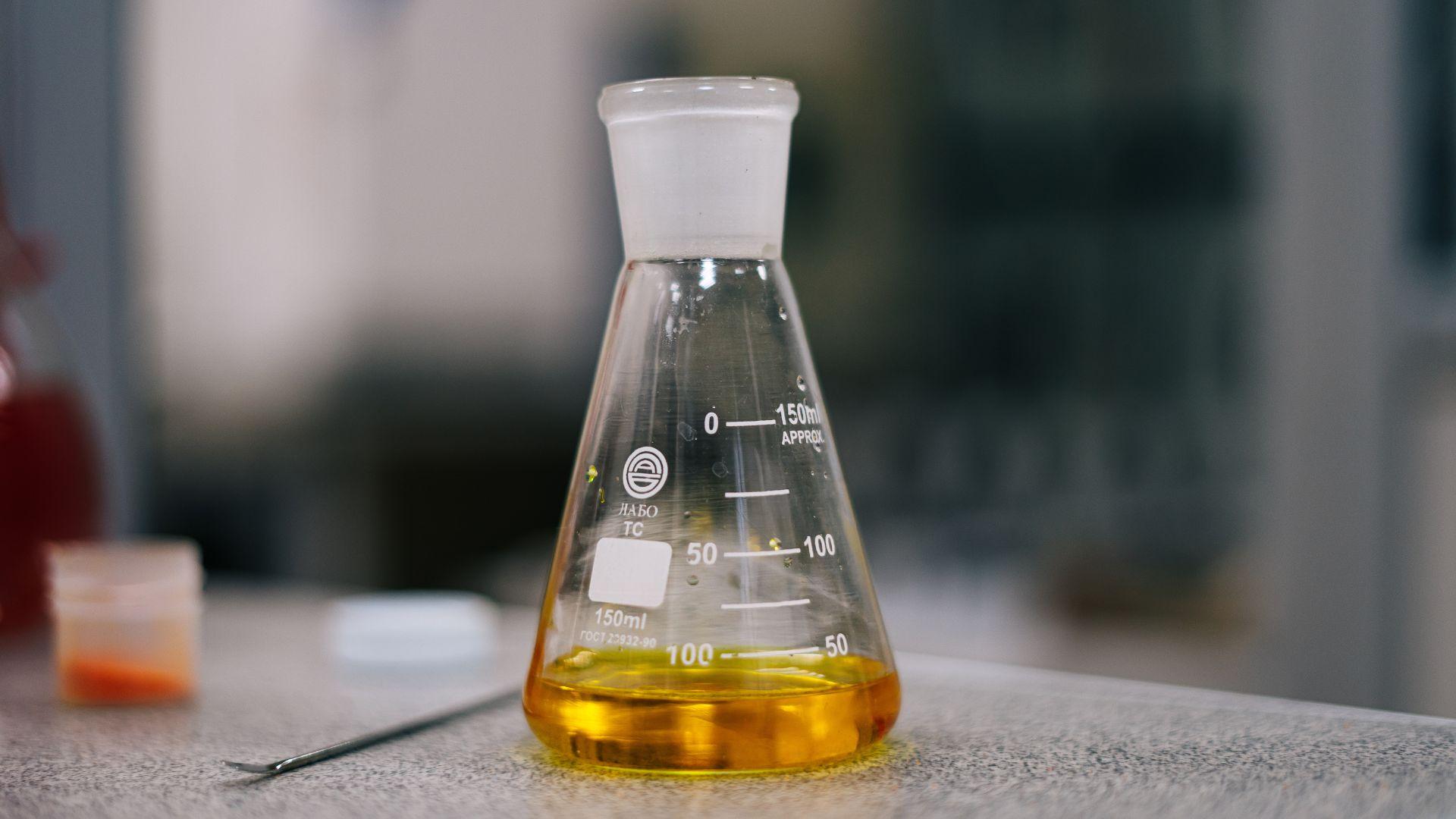
As India aggressively pursues its decarbonization goals and strives for energy independence, the biodiesel sector has emerged as a critical pillar of the national energy strategy. By transforming waste into high-value, sustainable fuel, India is not only reducing its massive crude oil import bill but also fostering rural economic development.
According to the latest industry data, the India Biodiesel Market is projected to grow from US$ 473.52 million in 2025 to US$ 878.64 million by 2034, expanding at a robust CAGR of 7.11% during the 2026–2034 period.
Download Free Sample Report:
https://www.renub.com/request-sample-page.php?gturl=india-biodiesel-market-p.php
Understanding the Biodiesel Industry in India
Biodiesel is a renewable, biodegradable, and clean-burning fuel derived from natural feedstocks, including vegetable oils, animal fats, and used cooking oils (UCO). Through the chemical process of transesterification, these biological materials are converted into a diesel alternative that can be used in conventional compression-ignition engines with little to no mechanical modification.
In India, biodiesel serves as a strategic hedge against the volatility of global crude oil prices. As the country balances its status as one of the world’s fastest-growing economies with the need for environmental stewardship, biodiesel has moved from a niche alternative to an integral component of the nation's renewable energy basket.
Growth Drivers: Why India is Doubling Down on Biofuels
1. Strong Government Policy and Institutional Support
The Government of India is the primary catalyst for the industry's expansion. Through initiatives like the National Bio Energy Mission and the PM JI-VAN Yojana, the government is actively de-risking investments in 2G bioethanol and biodiesel projects. Recent legislative efforts, such as the Oilfields (Regulation and Development) Amendment Bill, 2024, aim to create an investor-friendly climate to boost domestic hydrocarbon production and biofuel integration. State-owned oil marketing companies (OMCs) are increasingly acting as the primary off-takers, providing a guaranteed market for biodiesel producers.
2. Energy Security and Import Reduction
India remains heavily dependent on imported fossil fuels to power its vast industrial and transportation sectors. This dependency creates significant economic exposure to price shocks. Biodiesel offers a "home-grown" solution. By utilizing locally available agricultural residues and non-edible oilseeds, India can buffer itself against international supply chain instability, directly strengthening its national energy security.
3. Sustainability and Carbon Reduction
With an ambitious target to reduce its carbon footprint by 30-35% by 2030, India has implemented a multi-pronged approach that mandates a transition toward cleaner fuels. The government’s roadmap includes a goal of 5% biodiesel blending in diesel by 2030. This shift is supported by growing public consciousness regarding air quality and the necessity of sustainable development, encouraging businesses to adopt greener energy alternatives for their logistics and power generation needs.
Challenges: Navigating the Roadblocks
Despite the positive trajectory, the market faces two primary systemic hurdles:
-
Feedstock Constraints: A reliable, scalable supply chain for non-edible oils and waste cooking oil is still under development. Relying on edible oils poses food security risks and price inflation concerns. Consequently, the industry is shifting focus toward non-edible sources like Jatropha and Pongamia, though these require improved agricultural yields and coordinated collection systems.
-
Infrastructure and Costs: Biodiesel currently faces stiff competition from heavily subsidized conventional diesel. Furthermore, the specialized infrastructure required for the collection, storage, and distribution of bio-based fuels remains limited. Increased investment in processing technologies and regional storage hubs is essential to bridge the gap between production and end-use.
Regional Market Highlights
-
Maharashtra: Driven by major urban hubs like Mumbai and Pune, Maharashtra is at the forefront of the biodiesel revolution. High industrial activity and a proactive stance on waste cooking oil collection make it a leader in adoption.
-
Karnataka: With a thriving tech sector and a push for sustainable urban living, Bengaluru is a major consumer. The state’s government-private partnerships are successfully scaling up biodiesel manufacturing plants.
-
Uttar Pradesh & Madhya Pradesh: These states capitalize on their massive agricultural bases. The availability of wastelands for growing non-edible oilseeds presents a significant long-term opportunity for regional biodiesel production to support rural energy needs.
Strategic Market Segmentation
| Category | Key Segments |
| Application | Fuel (Transportation), Power Generation, Industrial Use |
| Feedstock | Vegetable Oil (Non-edible), Animal Fats, Used Cooking Oil |
| Key States | Maharashtra, Karnataka, Tamil Nadu, Uttar Pradesh, Madhya Pradesh |
FAQs: Expert Insights for the India Biodiesel Market
1. What is the projected market size for the India Biodiesel Market by 2034?
The market is expected to reach US$ 878.64 million by 2034, growing from US$ 473.52 million in 2025.
2. What is the expected CAGR of the industry between 2026 and 2034?
The industry is forecasted to grow at a CAGR of 7.11% during the specified period.
3. Why is biodiesel considered a key part of India's energy security?
Biodiesel reduces the country's dependence on crude oil imports by utilizing locally available agricultural feedstocks, thereby insulating the economy from global oil price volatility.
4. What role does the government play in promoting biodiesel?
The government provides financial support through schemes like the PM JI-VAN Yojana, facilitates public-private partnerships, and mandates blending targets (5% by 2030) to create a sustained demand for biodiesel.
5. Why are non-edible oils preferred over edible oils as feedstock?
Using edible oils for fuel can threaten food security and cause inflation. Non-edible oils (like Jatropha) can be grown on marginal or wasteland, ensuring that fuel production does not compete with food supply.
6. How is biodiesel used in the power generation sector in India?
Biodiesel is increasingly used in diesel generator sets, particularly in rural and remote regions where grid connectivity is unreliable, providing a cleaner, decentralized power alternative.
7. What are the primary barriers to large-scale biodiesel production?
The main challenges include the lack of a structured supply chain for collecting feedstock (like waste cooking oil), high production costs compared to subsidized diesel, and a need for better storage and distribution infrastructure.
As India continues to refine its energy policies and invest in circular economy practices, the biodiesel market is positioned to become a cornerstone of the nation’s journey toward a cleaner, greener, and more secure energy future.
 English
Join our community to interact with posts!