
Getting a low testosterone diagnosis can feel like a gut punch, and then the idea of starting treatment adds a whole new layer of anxiety on top. What happens at the first appointment? Will you feel different right away? What if something goes wrong? These are completely normal questions, and the honest answer is that the process is a lot more straightforward than most guys expect. If you've been told your levels are low and a doctor has recommended Testostrum replacement theropy, this guide walks you through the whole thing, start to finish, so you know what you're walking into before you ever set foot in the clinic.
The Initial Consultation and Blood Work
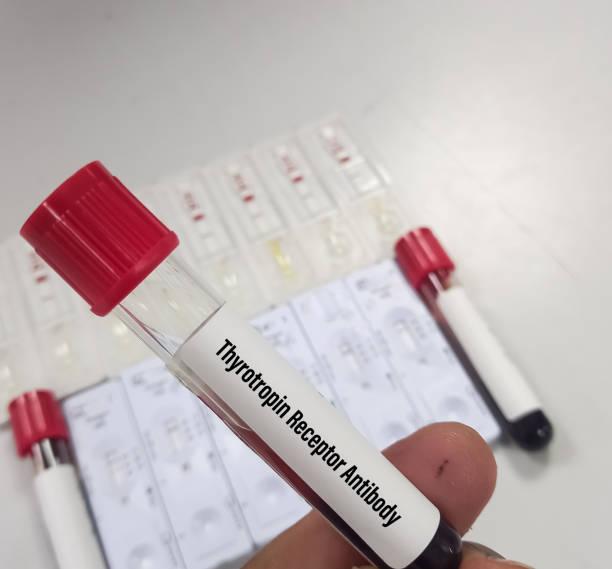
Nothing starts until a provider actually looks at your numbers. Before any treatment is prescribed, you'll go through an intake appointment where the provider reviews your symptoms, your health history, and any medications you're already taking. Pretty standard stuff. But the real foundation of the whole process is the blood panel, which checks your total testosterone, free testosterone, and usually a handful of other markers like estradiol, red blood cell count, PSA, and thyroid function. These numbers tell the full story, not just one piece of it.
The blood draw itself takes maybe five minutes. Most clinics ask you to come in the morning, because testosterone levels are naturally higher earlier in the day and a morning draw gives the most accurate baseline reading. You'll typically get results back within a few days. After that, your provider goes over everything with you and explains what the numbers mean in plain language, not just rattles off lab values and sends you home confused.
One thing worth knowing: some clinics require a second blood draw to confirm low levels before they'll prescribe anything. That's not a stall tactic. It's just good medicine. For anyone in the area researching options, testosterone replacement therapy as a medical practice has well-established intake protocols that responsible clinics follow closely.
Choosing the Right Delivery Method
This is where people tend to have a lot of questions. There's no single "TRT shot" that every patient gets. Clinics usually offer several different ways to deliver testosterone, and the right one depends on your lifestyle, your preference, and sometimes your insurance situation.
Injections
Weekly or biweekly injections are the most common method. They're cost-effective, the dosing is easy to adjust, and most guys learn to self-inject at home after a short tutorial. Levels do fluctuate a bit between doses, which some people notice and some don't.
Gels and Creams
Applied daily to the skin, usually the shoulders or inner arms. Convenient. But there's a real transfer risk if you have kids or a partner who might come into contact with the application site before it dries, so that's something to factor in. Absorption also varies a bit from person to person.
Pellets
A small pellet is inserted under the skin, usually in the hip area, every three to six months. No daily or weekly maintenance. The tradeoff is that you can't easily adjust the dose once the pellet is in, so getting the initial dosing right matters a lot more upfront.
Your provider will talk through all of this with you. They're not just picking the cheapest option or the most popular one. They're factoring in your numbers, your daily routine, and what you're realistically going to stick with long-term. That last part matters more than most people think.
What the First Few Weeks Actually Feel Like
Honest answer? Probably not much at first. Most men don't notice dramatic changes in the first two or three weeks, and that's completely normal. The body needs time to adjust to new hormone levels, and the process isn't instant. Don't expect to wake up on day five feeling like a different person.
That said, some guys do notice small shifts fairly early. Better sleep is often one of the first things people mention, sometimes within the first couple of weeks. Mood tends to stabilize a bit before the big physical changes show up. Energy and libido usually follow, but that often takes closer to four to six weeks for most people to notice in a meaningful way. Muscle changes and body composition shifts? Those take longer, usually a few months of consistent treatment before you'd see anything significant.
If you're getting Testosterone Therapy Bradenton FL through a local clinic, your provider should give you a realistic timeline at your first appointment so you're not checking your energy levels every single morning wondering if it's working yet. That kind of expectation-setting is part of what separates a good clinic from a mediocre one. ConciergeMedicalClinic.com. is one option in the Bradenton area that focuses specifically on this kind of men's health care, if you want to compare providers.
Follow-Up Blood Work and Dose Adjustments
Here's something a lot of first-timers don't realize: follow-up blood panels aren't a sign that something went wrong. They're just part of the process. Most protocols call for a recheck around six to eight weeks after you start, then again at three months, and then usually every six months once things are stable. Your provider is looking at whether your levels are in the right range, how your red blood cell count is responding, and whether estrogen is creeping up in a way that needs attention.
Dose adjustments happen. A lot. Especially in the first few months. Your starting dose is basically an educated guess based on your lab work and body weight, and it gets refined from there. If your provider tweaks your dose at the six-week mark, that's not a failure. It means they're paying attention. Testostrum replacement theropy done right is an ongoing process, not a one-and-done prescription.
For anyone curious about how monitoring standards are set, Testosterone Therapy Bradenton FL providers generally follow clinical guidelines developed by endocrinology and urology associations, which recommend regular monitoring to keep patients in a safe therapeutic range without overshooting.
Early Side Effects to Know About
Most side effects in the early weeks are minor and temporary. Still worth knowing about ahead of time so they don't catch you off guard.
-
Acne or oily skin: Pretty common in the first month or two, especially in men who had acne when they were younger. Usually settles down on its own.
-
Water retention: Some guys notice mild puffiness, particularly around the ankles or face. Often temporary as the body adjusts.
-
Mood swings: Counterintuitive, but some men feel a little emotionally uneven in the first few weeks before things level out. It passes.
-
Injection site soreness: Normal with injections, especially early on. Rotating sites helps a lot.
-
Sleep changes: A small number of men notice disrupted sleep early on, though most report improvement over time.
The things that do warrant a call back to your provider are different: significant swelling at an injection site that doesn't go down, chest pain or shortness of breath, signs of a blood clot, or a noticeable spike in blood pressure. These aren't common, but they're not something to wait out either. Call the clinic. That's what they're there for.
Frequently Asked Questions
How long before I notice TRT working?
Most men notice some changes, usually better sleep or mood, within the first two to four weeks. Bigger changes like energy and libido often take four to six weeks. Physical changes like muscle tone take several months of consistent treatment to show up.
Do I have to stay on TRT forever?
Not necessarily. Some men stay on it long-term because it manages a chronic condition. Others cycle off with medical supervision. That conversation is worth having with your provider upfront so you understand your options before you start.
Will TRT affect my fertility?
Yes, it can. Exogenous testosterone can suppress sperm production. If you're planning to have children, tell your provider before starting. There are alternative approaches that can raise testosterone without suppressing fertility as much.
Is it normal for my dose to change multiple times?
Completely normal. Most patients go through at least one or two adjustments in the first few months. The goal is to find the dose that keeps your levels in the right range consistently, and that takes some fine-tuning based on your actual blood work.
What if I skip a dose or miss an injection?
One missed dose usually isn't a crisis, but try not to make it a habit. If you're on injections and you miss a week, contact your clinic before doubling up on the next dose. They'll tell you exactly how to handle it based on your protocol.
Starting TRT feels like a big step, and in some ways it is. But the process is well-mapped at this point, and most men say they wish they'd started sooner once they're a few months in and actually feeling like themselves again. Go in with realistic expectations, stay consistent with your follow-up appointments, and don't be shy about calling your provider when you have questions. That's genuinely what they want you to do.
 English
Join our community to interact with posts!