
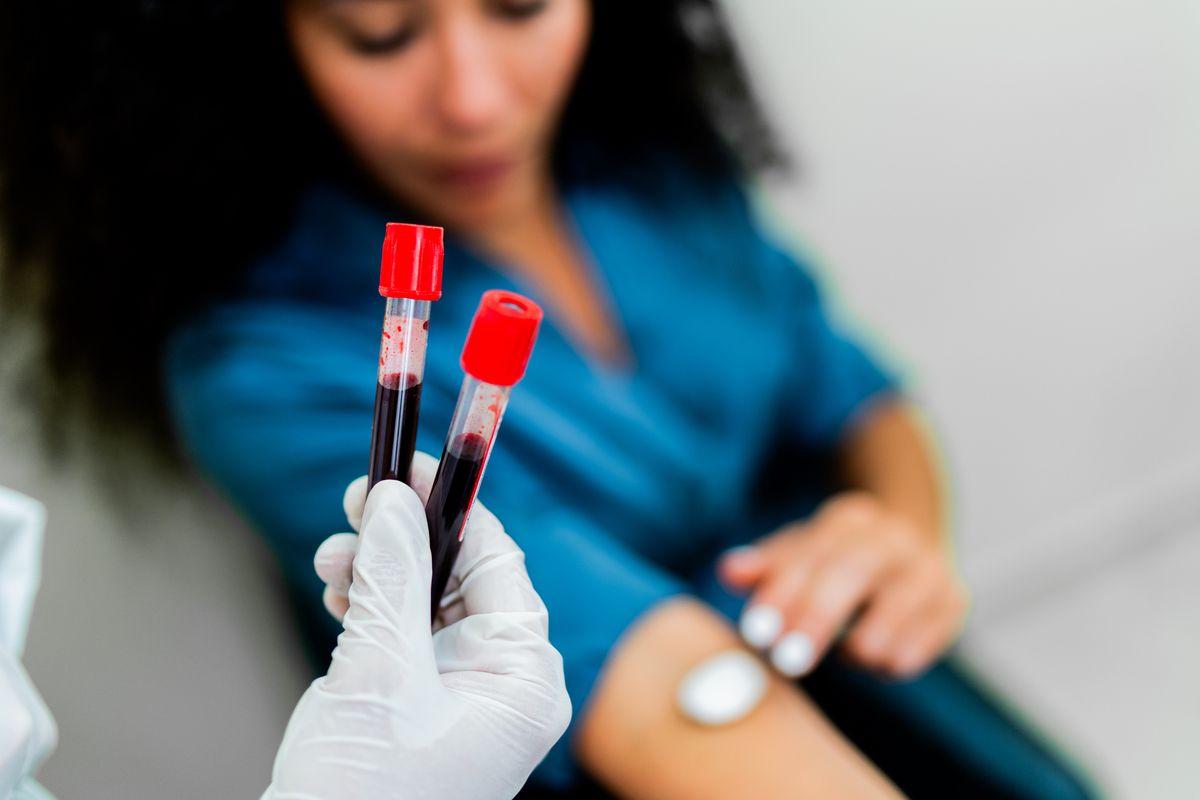
For many people, the thought of having a full blood test can raise questions and concerns. Will it be painful? How long will it take? Do you need to fast? What exactly happens from the moment you arrive at the laboratory until you receive your results? These are common questions, especially for individuals having a blood test for the first time.
A Full Blood Test in Dubai is a simple, safe, and routine medical procedure performed millions of times every day around the world. It allows healthcare professionals to evaluate your overall health by analyzing important blood markers that reflect the condition of your blood cells, organs, metabolism, immune system, and nutritional status. Although the procedure itself usually takes only a few minutes, the information gathered can play a vital role in early disease detection, preventive healthcare, and ongoing health monitoring.
This guide walks you through every stage of a full blood test procedure, helping you understand what to expect before, during, and after your appointment.
Why a Full Blood Test Is Performed?
Before discussing the procedure, it is helpful to understand why healthcare providers recommend a full blood test.
Blood circulates through every part of the body, carrying oxygen, nutrients, hormones, and immune cells while removing waste products. Because of this, analyzing a blood sample offers valuable insight into how different organs and body systems are functioning.
A comprehensive blood test may help:
- Detect anemia
- Identify infections
- Monitor diabetes
- Evaluate cholesterol levels
- Assess liver function
- Check kidney health
- Measure thyroid hormones
- Detect vitamin deficiencies
- Monitor chronic medical conditions
- Support preventive health screening
The exact tests included depend on your symptoms, medical history, and your healthcare provider's recommendations.
Before the Appointment: Preparing for the Procedure
Preparation is one of the most important steps in ensuring accurate laboratory results.
Confirm Whether Fasting Is Required:
Not every full blood test requires fasting. However, some investigations, such as fasting blood glucose or certain lipid profile tests, may require you to avoid food for several hours before your appointment.
Always follow the preparation instructions provided by your healthcare provider or laboratory.
Stay Well Hydrated:
Drinking water before your blood test is generally recommended unless you have been advised otherwise.
Proper hydration can:
- Make veins easier to locate
- Improve blood flow
- Reduce the likelihood of repeated needle attempts
- Make the procedure more comfortable
Avoid sugary drinks and alcohol before your appointment unless instructed differently.
Share Important Medical Information:
Before the procedure, inform your healthcare provider or laboratory staff if you:
- Take prescription medications
- Use vitamin or herbal supplements
- Have allergies
- Have experienced fainting during previous blood tests
- Have a bleeding disorder
- Are pregnant
This information helps ensure the procedure is performed safely and your results are interpreted accurately.
Arriving at the Laboratory:
When you arrive for your appointment, the registration process is usually straightforward.
You may be asked to:
- Confirm your identity
- Provide a medical referral if required
- Verify personal information
- Confirm the requested laboratory tests
Some laboratories may ask additional health-related questions to ensure the correct tests are performed.
Meeting the Healthcare Professional:
The blood collection is typically performed by a trained phlebotomist, nurse, or other qualified healthcare professional.
Before beginning, they will:
- Confirm your identity again
- Explain the procedure
- Answer any questions
- Review any preparation instructions
- Confirm whether fasting requirements have been followed
If you feel anxious, let them know. Healthcare professionals are experienced in helping patients feel comfortable throughout the procedure.
Preparing the Collection Site:
Once you are seated comfortably, the healthcare professional prepares your arm for blood collection.
This stage usually includes:
Selecting a Suitable Vein:
The veins inside the elbow are commonly used because they are:
- Easy to locate
- Easily accessible
- Large enough for blood collection
If necessary, veins on the back of the hand may also be used.
Applying a Tourniquet:
A soft elastic band called a tourniquet is wrapped around your upper arm.
Its purpose is to:
- Temporarily slow blood flow
- Make veins more visible
- Improve access for blood collection
The tourniquet is only applied briefly and is removed soon after the blood begins flowing into the collection tubes.
Cleaning the Skin:
The skin is cleaned using an antiseptic solution to reduce the risk of infection.
This step helps maintain a sterile environment before inserting the needle.
The Blood Collection Process:
The actual blood draw is usually the shortest part of the appointment.
Needle Insertion:
A sterile needle is gently inserted into the selected vein.
Most people describe the sensation as:
- A quick pinch
- Mild pressure
- Brief discomfort
The pain is generally minimal and lasts only a few seconds.
Collecting the Blood Sample:
Blood flows naturally through the needle into one or more collection tubes.
Different tubes contain different preservatives depending on the laboratory investigations requested.
A comprehensive blood test may require multiple tubes because different analyses are performed separately.
The amount of blood collected is small and safe for healthy adults.
Removing the Needle:
Once enough blood has been collected:
- The tourniquet is removed.
- The needle is gently withdrawn.
- A cotton pad or gauze is placed over the puncture site.
- Gentle pressure is applied.
A small adhesive bandage is then placed over the area.
How Long Does the Procedure Take?
The blood collection itself usually takes less than five minutes.
Including registration, preparation, and post-procedure care, most appointments are completed within fifteen to twenty minutes.
The exact duration depends on:
- The number of tests requested
- Patient preparation
- Ease of locating a suitable vein
- Laboratory workflow
What Happens Immediately After the Procedure?
Most people feel completely normal after a blood test.
Healthcare professionals may recommend:
- Keeping pressure on the puncture site for several minutes
- Leaving the bandage in place for a short time
- Drinking water
- Eating if fasting was required
These simple measures help reduce the risk of minor bruising or lightheadedness.
Common Reactions After Blood Collection:
Most reactions are mild and temporary.
Some people may notice:
- Slight bruising
- Mild tenderness
- Temporary soreness
- A small amount of bleeding
These effects usually resolve within a few days.
Occasionally, individuals who are nervous about needles may experience temporary dizziness.
If this occurs, healthcare staff will help you recover before you leave the laboratory.
What Happens to Your Blood Sample?
After collection, each tube is carefully labeled to ensure accurate identification.
The sample is then transported to the laboratory, where specialized equipment analyzes different blood markers.
Depending on the requested investigations, https://net-pals.com/blogs/14151/Full-Blood-Test-Essential-Information-for-Every-Adult may include:
- Complete Blood Count (CBC)
- Blood glucose
- Cholesterol
- Liver enzymes
- Kidney function
- Thyroid hormones
- Electrolytes
- Iron studies
- Vitamin B12
- Folate
- Inflammatory markers
Each test provides information about specific aspects of your health.
How Healthcare Professionals Analyze the Results?
Laboratory instruments generate detailed measurements, but interpreting those results requires clinical expertise.
Healthcare professionals consider:
- Your age
- Medical history
- Current symptoms
- Previous laboratory reports
- Medications
- Family history
- Lifestyle factors
Rather than focusing on one abnormal value, they evaluate patterns across multiple blood markers to build a complete picture of your health.
Situations That May Affect Blood Test Results:
Several everyday factors can temporarily influence laboratory values.
These include:
- Dehydration
- Recent strenuous exercise
- Acute illness
- Poor sleep
- Emotional stress
- Alcohol consumption
- Smoking
- Certain medications
- Dietary supplements
Providing accurate information before your blood test helps healthcare providers interpret your results correctly.
When Will You Receive Your Results?
The reporting time depends on the type of laboratory investigations performed.
Routine blood tests are often available within a short period, while specialized tests may require additional processing time.
Your healthcare provider will review the report and explain:
- Which results are normal
- Whether any values require further investigation
- If repeat testing is necessary
- Recommended lifestyle changes
- Any additional diagnostic tests
Avoid interpreting laboratory reports independently without professional guidance.
Tips for a Comfortable Blood Test Experience:
If you are feeling nervous about the procedure, a few simple strategies can help.
- Drink plenty of water beforehand unless instructed otherwise.
- Wear clothing with sleeves that roll up easily.
- Relax your arm during blood collection.
- Inform the healthcare professional if you have fainted previously.
- Avoid looking directly at the needle if it increases anxiety.
- Follow all preparation instructions carefully.
- Eat a balanced meal afterward if fasting was required.
Most people find that the procedure is much easier than they expected.
Frequently Asked Questions:
Is a full blood test painful?
Most people experience only a brief pinching sensation when the needle is inserted. The discomfort is usually mild and lasts only a few seconds.
How much blood is collected?
Only a small amount of blood is required, even when multiple laboratory tests are requested.
Can I return to work afterward?
Yes. Most people resume normal daily activities immediately after the appointment.
Why are several blood collection tubes sometimes needed?
Different laboratory tests require different collection tubes because they contain specific preservatives designed for various analyses.
Conclusion:
A full blood Lab tests is a quick, safe, and highly informative procedure that plays a vital role in modern healthcare. From preparing for your appointment and having a small blood sample collected to laboratory analysis and professional interpretation, each step is carefully designed to provide accurate insights into your overall health. By evaluating blood cells, blood glucose, cholesterol, liver function, kidney health, thyroid hormones, electrolyte balance, and nutritional status, a full blood test supports early diagnosis, preventive healthcare, and effective management of ongoing medical conditions.
Understanding what happens during the procedure can help reduce anxiety and ensure you arrive well prepared. With proper preparation, professional care, and follow-up discussions about your results, a full blood test becomes more than just a routine investigation—it becomes an essential tool for protecting your health, identifying potential concerns early, and supporting informed healthcare decisions throughout adulthood.
 English
Join our community to interact with posts!