
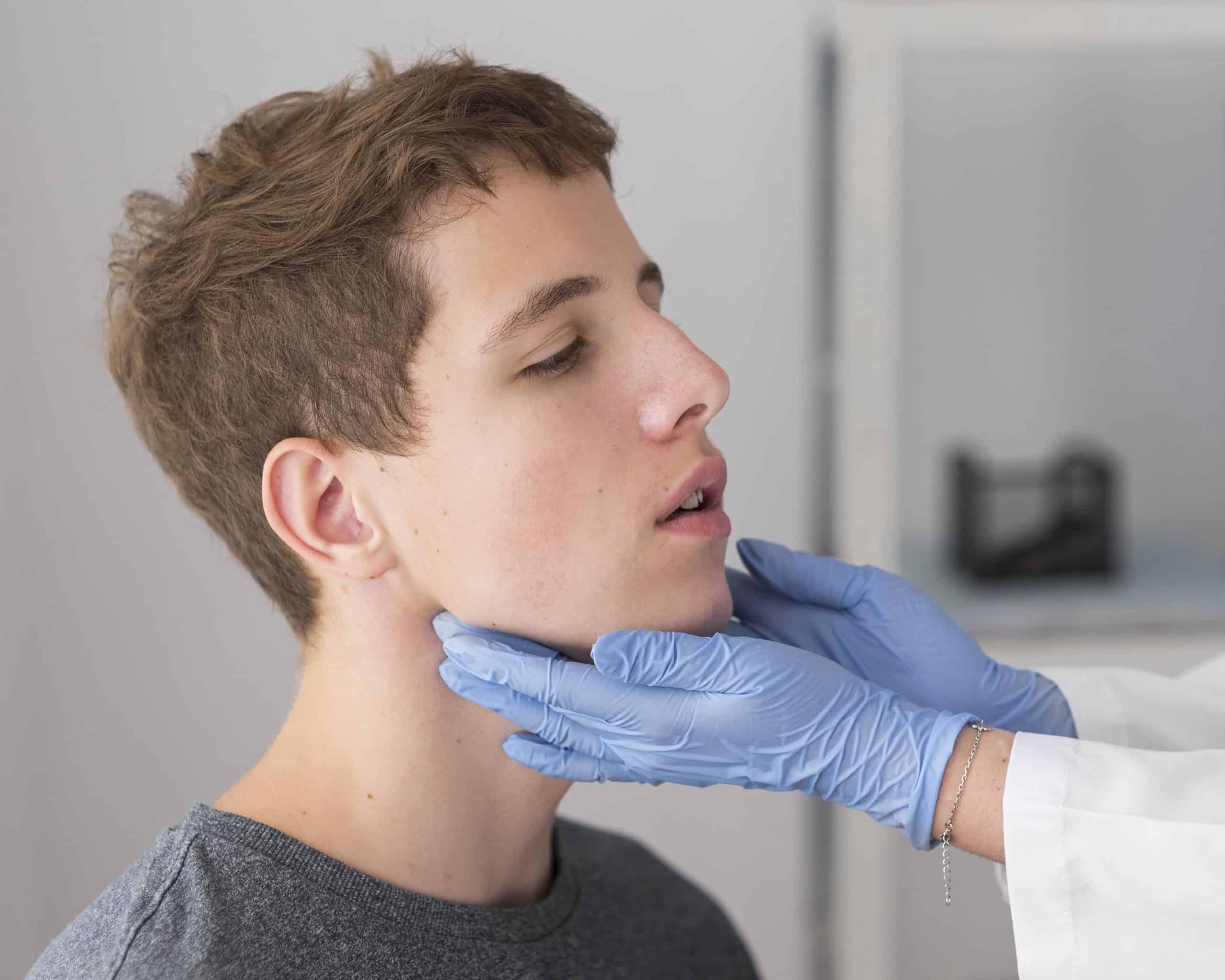
Jaw alignment plays an important role in both facial appearance and everyday functions such as chewing, speaking, and breathing. When the upper and lower jaws do not align correctly, it can lead to discomfort, bite problems, and self-confidence concerns. In many cases, orthodontic treatment alone cannot solve these issues, making Jaw Surgery in Islamabad a recommended option for long-term correction.
If you are wondering whether you are the right candidate for this procedure, understanding the signs, benefits, and evaluation process can help you make an informed decision.
Understanding Jaw Surgery
Jaw surgery, also known as orthognathic surgery, is a corrective procedure designed to reposition the upper jaw, lower jaw, or both. It is usually performed after careful planning involving diagnostic imaging, dental evaluations, and orthodontic treatment.
The goal of the surgery is to improve jaw function, facial harmony, and overall oral health while addressing structural abnormalities that cannot be corrected with braces alone.
Why Someone May Need Jaw Surgery
Jaw surgery is not considered a cosmetic procedure in most cases. It is often recommended to treat functional problems caused by jaw misalignment. These issues may include:
- Difficulty chewing or biting food
- Speech problems caused by jaw positioning
- Chronic jaw pain or TMJ discomfort
- Severe overbite, underbite, or crossbite
- Sleep-related breathing difficulties
- Facial asymmetry due to jaw imbalance
- Difficulty closing the lips comfortably
If these concerns affect your daily life, a comprehensive evaluation may determine whether surgery is the best treatment option.
Who Is the Ideal Candidate?
Several factors determine whether someone is a suitable candidate for jaw surgery.
Adults with Fully Developed Jaw Bones
Jaw surgery is generally recommended after facial growth is complete. This usually occurs around the late teenage years or early adulthood. Performing surgery after jaw growth reduces the risk of future changes affecting the treatment outcome.
People with Severe Bite Problems
Patients with significant bite irregularities often benefit the most from jaw surgery. Conditions such as severe overbite, underbite, open bite, or crossbite can interfere with eating, speaking, and oral health.
When orthodontic treatment alone cannot correct these issues, surgery may provide a permanent solution.
Individuals with Facial Asymmetry
Uneven jaw development can cause noticeable facial imbalance. Jaw surgery can help improve facial proportions by repositioning the jawbones, creating a more symmetrical appearance while also improving function.
Patients Experiencing Chronic Jaw Pain
Persistent jaw discomfort, difficulty opening the mouth, or pain caused by improper jaw alignment may improve after corrective jaw surgery. Although every case is unique, proper alignment often reduces unnecessary stress on the jaw joints.
People with Breathing or Sleep Problems
Some patients experience obstructive sleep apnea or breathing difficulties due to jaw structure. In selected cases, repositioning the jaw creates more airway space, improving breathing during sleep and enhancing overall quality of life.
When Jaw Surgery May Not Be Suitable
Not everyone with jaw discomfort requires surgery. Some patients achieve excellent results through orthodontics, dental treatments, or conservative management.
Jaw surgery may not be recommended if:
- Jaw growth is still incomplete.
- Medical conditions increase surgical risks.
- Bite problems are mild enough for orthodontic correction.
- The patient is unwilling to complete pre- and post-operative orthodontic treatment.
A personalized consultation is essential to determine the most appropriate treatment plan.
The Importance of Orthodontic Treatment
Many patients require braces before surgery to align the teeth properly. Although the bite may temporarily appear worse during this phase, it prepares the jaws for accurate surgical correction.
After surgery, braces are often worn for several additional months to fine-tune the bite and achieve the best long-term results.
Benefits of Choosing Jaw Surgery
Patients who are suitable candidates often experience improvements in both function and appearance.
Common benefits include:
- Better chewing efficiency
- Improved speech clarity
- Balanced facial profile
- Reduced jaw discomfort
- Enhanced breathing in selected cases
- Improved dental health
- Increased confidence
The exact benefits vary depending on the individual's condition and treatment goals.
How the Evaluation Process Works
Before recommending surgery, specialists perform a detailed assessment that may include:
- Complete medical history
- Clinical examination
- Digital X-rays
- 3D facial imaging
- Bite analysis
- Dental impressions
- Orthodontic consultation
These evaluations help create a personalized surgical plan designed to achieve safe and predictable results.
Recovery Expectations
Recovery varies from one patient to another. Swelling and mild discomfort are common during the first few weeks and gradually improve over time.
Patients are usually advised to:
- Follow a soft-food diet initially.
- Maintain excellent oral hygiene.
- Attend regular follow-up appointments.
- Follow all post-operative instructions carefully.
Most individuals return to normal daily activities within several weeks, although complete healing and final results may take several months.
FAQs
Is jaw surgery only performed for cosmetic reasons?
No. Jaw surgery is primarily performed to correct functional problems such as bite issues, chewing difficulties, breathing concerns, and jaw pain. Improved facial appearance is often an additional benefit.
At what age is jaw surgery usually recommended?
Jaw surgery is typically performed after jaw growth is complete, usually between 17 and 21 years of age, depending on the individual.
Will I need braces before jaw surgery?
In many cases, yes. Orthodontic treatment before surgery helps position the teeth correctly for optimal surgical results.
How long does recovery take?
Initial recovery generally takes a few weeks, while complete healing and final jaw stabilization may require several months.
Can jaw surgery permanently fix bite problems?
For suitable candidates, jaw surgery provides a long-lasting correction of structural jaw problems when combined with appropriate orthodontic treatment and proper follow-up care.
Final Thoughts
Determining whether you are a suitable candidate for Jaw Surgery in Islamabad requires a comprehensive evaluation by experienced oral and maxillofacial specialists. Factors such as jaw growth, bite alignment, facial symmetry, overall health, and treatment goals all influence the decision. When recommended for the right patient, this procedure can significantly improve oral function, facial balance, breathing, and overall quality of life, making it a valuable long-term investment in both health and confidence.
 English
Join our community to interact with posts!