
Bacteria are all around us, and while many are harmless or even beneficial, certain types can cause infections that require medical treatment. Some bacterial infections are mild and improve with proper care, while others can become more serious if left untreated. Knowing the common types of bacterial infections and understanding when prescription antibiotics may be necessary can help individuals seek timely medical attention and reduce the risk of complications.
Healthcare professionals determine the appropriate treatment based on the type of bacteria involved, the severity of symptoms, and the patient's overall health. Antibiotics should always be taken under medical supervision to ensure safe and effective treatment.
What Are Bacterial Infections?
A bacterial infection occurs when harmful bacteria enter the body, multiply, and trigger an immune response. These infections can affect nearly every organ system and vary from minor skin infections to more severe respiratory or urinary tract illnesses.
Common ways bacteria spread include:
- Direct contact with an infected person
- Contaminated food or water
- Poor hand hygiene
- Open wounds or cuts
- Contact with contaminated surfaces
Maintaining good hygiene and following preventive measures can significantly reduce the risk of infection.
Respiratory Tract Infections
The respiratory system is one of the most common areas affected by bacterial infections. While many coughs and colds are viral, certain respiratory illnesses may develop into bacterial infections that require prescription antibiotics.
Examples include:
- Bacterial sinus infections
- Certain cases of pneumonia
- Bacterial bronchitis
- Some throat infections
Symptoms may include:
- Persistent cough
- Fever
- Chest discomfort
- Thick mucus
- Difficulty breathing
- Fatigue
If symptoms continue for several days or become more severe, medical evaluation is recommended.
Skin and Soft Tissue Infections
Even small cuts or insect bites can allow bacteria to enter the skin.
Common bacterial skin infections include:
- Cellulitis
- Infected wounds
- Abscesses
- Impetigo
Warning signs include:
- Redness that spreads
- Swelling
- Warmth around the affected area
- Pain
- Pus formation
- Fever
Early treatment helps prevent the infection from spreading deeper into surrounding tissues.
Urinary Tract Infections
Urinary tract infections (UTIs) are among the most frequently diagnosed bacterial infections, particularly in adults.
Typical symptoms include:
- Burning during urination
- Frequent urge to urinate
- Lower abdominal discomfort
- Cloudy urine
- Strong-smelling urine
- Fever in more severe cases
A healthcare provider may recommend urine testing before prescribing antibiotics to identify the most suitable treatment.
Dental and Ear Infections
Bacteria can also affect the mouth and ears.
Dental infections often occur when bacteria enter damaged teeth or gums, leading to pain, swelling, and sometimes facial discomfort.
Ear infections caused by bacteria may produce:
- Ear pain
- Fever
- Temporary hearing difficulty
- Drainage from the ear
- Irritability in children
Prompt treatment can help reduce discomfort and prevent further complications.
When Prescription Antibiotics May Be Needed
Not every infection requires antibiotics. Viral illnesses such as the common cold or influenza do not respond to antibacterial medicines.
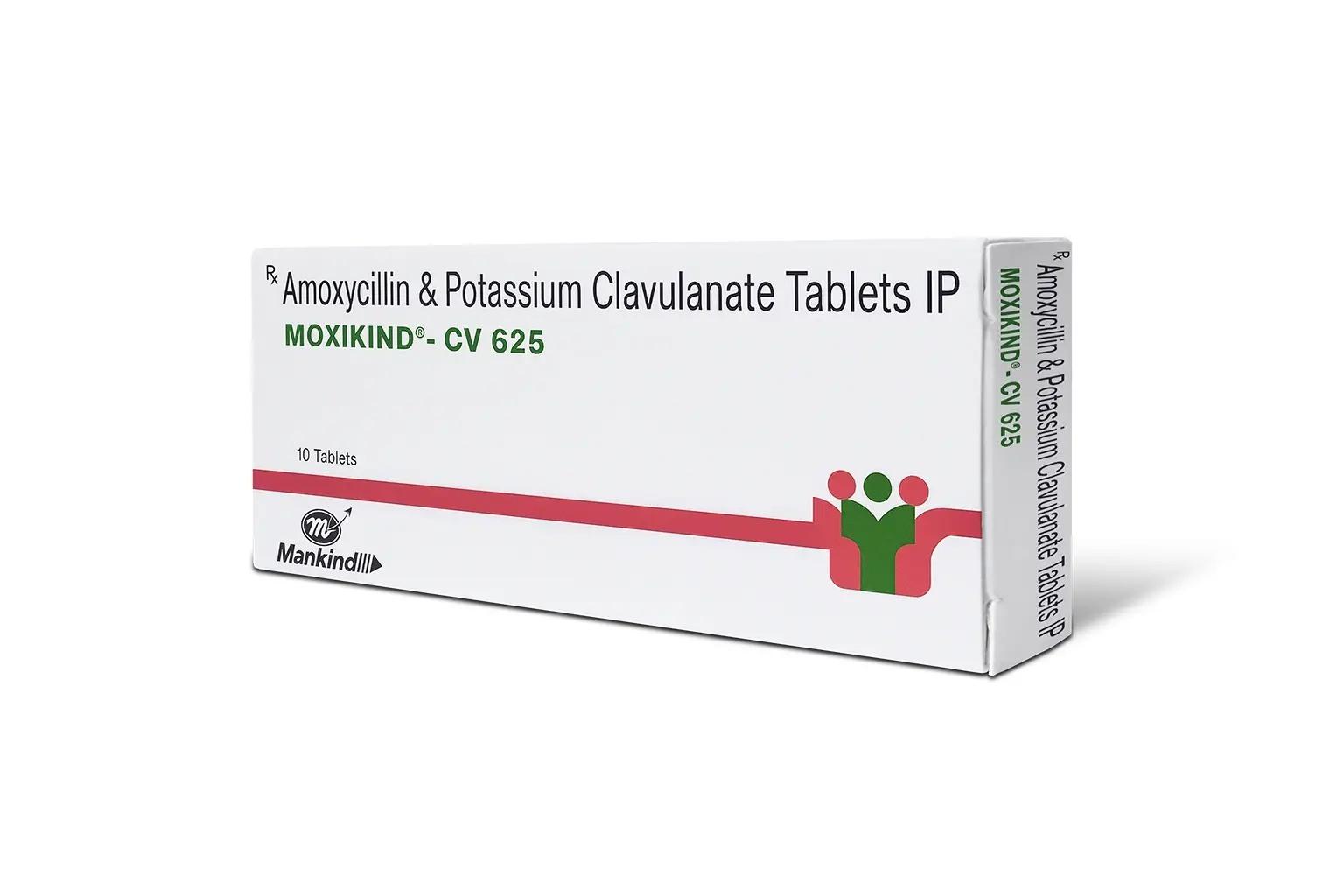
However, healthcare providers may prescribe combination antibiotics for susceptible bacterial infections because they help treat bacteria more effectively while addressing certain resistance mechanisms.
If you want to understand more about available treatment options, you can explore reliable bacterial infection therapy to learn how prescription antibiotics are commonly used under medical guidance.
Using Antibiotics Responsibly
Responsible antibiotic use benefits both the individual patient and the wider community.
Important recommendations include:
- Take antibiotics only when prescribed.
- Complete the full treatment course.
- Never skip doses.
- Do not share medicines with others.
- Avoid using leftover antibiotics.
These simple practices help reduce the development of antibiotic-resistant bacteria and improve treatment outcomes.
Supporting Recovery During Treatment
In addition to medication, healthy daily habits can promote recovery.
Helpful practices include:
- Drinking plenty of water
- Eating balanced meals
- Getting adequate rest
- Washing hands regularly
- Monitoring symptoms
- Attending follow-up appointments if needed
These lifestyle measures support the body's natural healing process while prescribed treatment works against the infection.
Finding Trusted Healthcare Information
Many people search online before visiting a healthcare provider, but choosing reliable educational sources is essential. Learning about bacterial infections, available treatment options, and preventive measures can help patients have more informed discussions with their doctor.
For detailed medicine information and treatment guidance, visit effective prescription antibiotic guide to explore educational resources about bacterial infection management. You can also browse the complete healthcare marketplace for a wide range of healthcare categories, wellness products, and informative articles designed to support healthier everyday living.
Conclusion
Bacterial infections can affect different parts of the body, but early recognition and appropriate medical treatment often lead to successful recovery. Whether the infection involves the respiratory system, skin, urinary tract, ears, or teeth, seeking professional medical advice is the best way to determine whether prescription antibiotics are needed.
By using antibiotics responsibly, following the prescribed treatment plan, and maintaining healthy lifestyle habits, individuals can support faster recovery while helping reduce the growing challenge of antibiotic resistance.
 English
Join our community to interact with posts!