
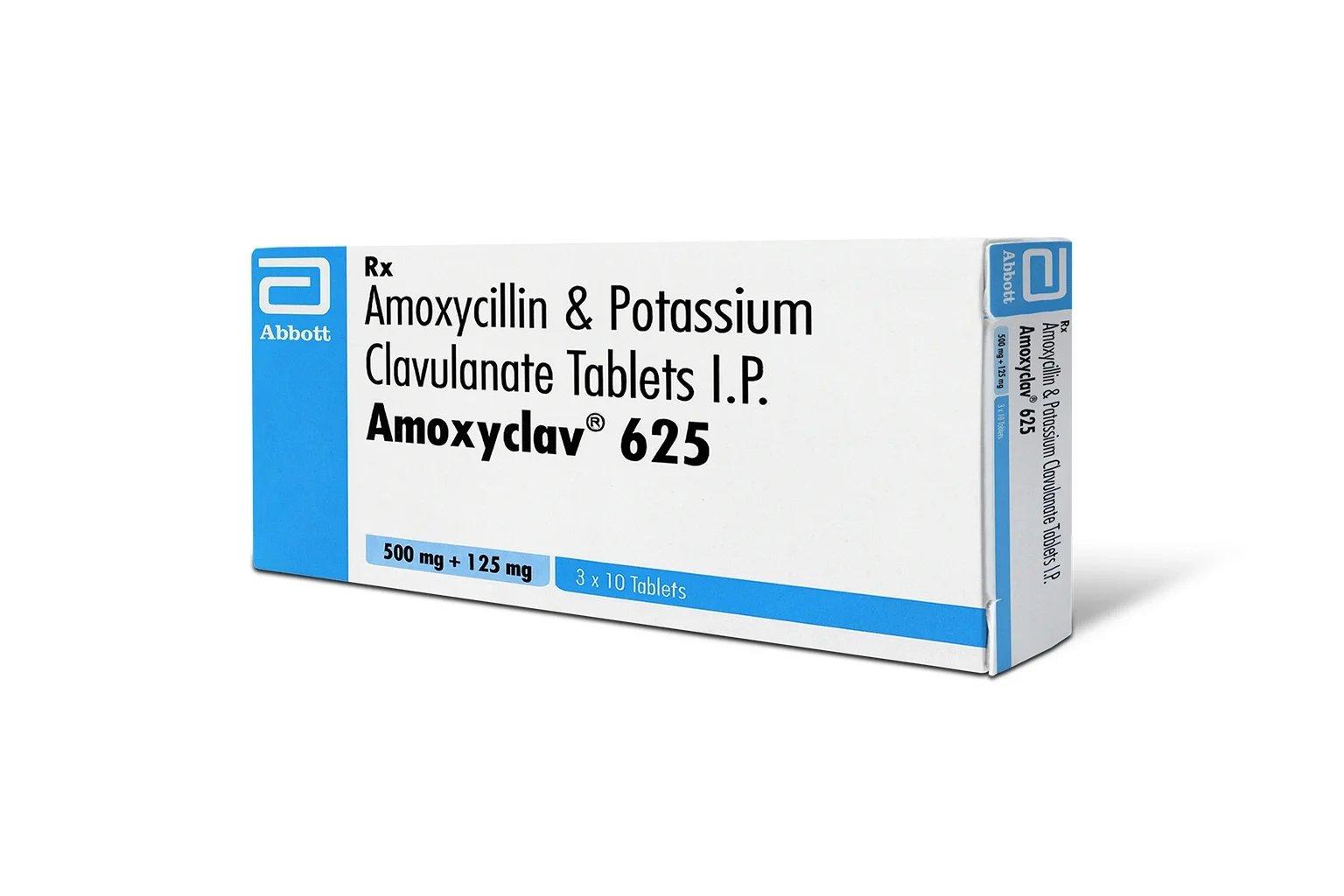
Bacterial infections can affect almost every part of the body, from the respiratory tract and urinary system to the skin, ears, and digestive system. While modern antibiotics play an essential role in treating bacterial illnesses, prevention remains the most effective approach. Developing healthy daily habits not only lowers the risk of infection but also supports the immune system, reducing the likelihood of needing antibiotic treatment in the first place.
Many people believe infections occur randomly, but everyday choices such as hand hygiene, nutrition, sleep, and physical activity have a significant impact on how well the body can defend itself against harmful bacteria. Learning how these lifestyle habits work together helps individuals take proactive steps toward better long-term health.
If you enjoy learning about disease prevention and practical healthcare advice, exploring everyday wellness resources can provide valuable information on maintaining overall health and reducing infection risks throughout the year.
Understanding How Bacteria Cause Infection
Bacteria are microscopic organisms found almost everywhere, including soil, water, food, animals, and even the human body. Most bacteria are harmless, and many actually support healthy digestion and immunity. Problems arise when harmful bacteria enter the body through contaminated food, unclean hands, cuts in the skin, or close contact with infected individuals.
Once inside the body, these bacteria begin multiplying. As their numbers increase, they release substances that trigger inflammation and damage healthy tissues, leading to symptoms such as fever, swelling, pain, coughing, or urinary discomfort.
Fortunately, the body's immune system works continuously to recognize and destroy these harmful invaders. Healthy lifestyle choices strengthen this natural defense system.
Wash Hands the Right Way
One of the simplest and most effective methods of preventing bacterial infections is proper handwashing.
Hands come into contact with countless surfaces every day, making them one of the primary ways bacteria spread from person to person.
Always wash your hands:
- Before eating
- After using the restroom
- After coughing or sneezing
- Before preparing food
- After touching raw meat
- After handling garbage
- After caring for someone who is sick
Use soap and clean running water for at least 20 seconds. If soap is unavailable, an alcohol-based hand sanitizer containing at least 60% alcohol can also reduce bacterial contamination.
Maintain Good Personal Hygiene
Daily hygiene habits significantly lower the risk of bacterial growth.
These include:
- Bathing regularly
- Wearing clean clothes
- Keeping fingernails trimmed
- Changing towels frequently
- Brushing teeth twice daily
- Cleaning minor cuts immediately
Proper oral hygiene deserves special attention because untreated gum disease and tooth decay can lead to bacterial infections that spread beyond the mouth.
Eat Foods That Support Immunity
A balanced diet provides the nutrients your immune system needs to fight infections effectively.
Include foods rich in:
- Vitamin C
- Vitamin D
- Zinc
- Iron
- Protein
- Fiber
- Healthy fats
Fresh fruits, leafy vegetables, beans, whole grains, nuts, fish, eggs, and lean meats all contribute to stronger immune function.
Limiting processed foods and excessive sugar may also help maintain a healthier immune response.
Stay Hydrated Every Day
Water supports nearly every function within the body.
Proper hydration helps:
- Transport nutrients
- Remove waste products
- Maintain healthy skin
- Support kidney function
- Protect the urinary tract
Drinking enough fluids throughout the day reduces the likelihood of dehydration, which can weaken normal body functions.
Prioritize Quality Sleep
Sleep plays a major role in immune system regulation.
During sleep, the body repairs tissues and produces immune cells that help fight bacteria and other microorganisms.
Adults should generally aim for seven to nine hours of quality sleep each night, while children require even more depending on age.
Poor sleep habits have been associated with reduced immune function and increased susceptibility to infections.
Exercise Regularly
Regular physical activity supports circulation and helps immune cells move more efficiently throughout the body.
Moderate exercise such as:
- Walking
- Cycling
- Swimming
- Yoga
- Light strength training
may improve overall health while reducing the risk of chronic diseases that can weaken immunity.
Excessive exercise without adequate recovery, however, may temporarily suppress immune function, so maintaining balance is important.
Practice Safe Food Handling
Many bacterial infections originate from contaminated food.
Reduce foodborne illness by:
- Washing fruits and vegetables thoroughly
- Cooking meat completely
- Separating raw and cooked foods
- Refrigerating leftovers promptly
- Checking food expiration dates
- Cleaning kitchen surfaces regularly
Simple food safety practices greatly reduce exposure to harmful bacteria.
Learning more about safe infection prevention practices can help families establish healthier routines that lower the risk of foodborne and household bacterial infections.
Avoid Unnecessary Antibiotic Use
Antibiotics should only be taken when prescribed by a qualified healthcare professional.
Using antibiotics unnecessarily can:
- Increase antibiotic resistance
- Destroy beneficial bacteria
- Cause unwanted side effects
- Make future infections harder to treat
Antibiotics do not treat viral illnesses such as influenza or the common cold.
Understanding when antibiotics are appropriate helps preserve their effectiveness for future generations.
Keep Wounds Clean
Even small cuts or scratches provide bacteria with an opportunity to enter the body.
Whenever skin is damaged:
- Wash the area with clean water.
- Apply appropriate antiseptic if recommended.
- Cover with a clean dressing.
- Replace bandages regularly.
- Watch for redness, swelling, or pus.
Prompt wound care helps prevent more serious skin infections.
Reduce Exposure During Illness
When someone around you has a bacterial infection, reducing close contact may lower transmission.
Helpful measures include:
- Avoid sharing towels
- Do not share drinking glasses
- Wash bedding regularly
- Disinfect frequently touched surfaces
- Cover coughs and sneezes
- Stay home when advised
These habits protect both family members and the wider community.
Know When Medical Care Is Needed
Although prevention is important, infections can still occur.
Seek medical attention if symptoms include:
- Persistent high fever
- Difficulty breathing
- Severe swelling
- Spreading redness
- Intense pain
- Blood in urine
- Symptoms lasting longer than expected
Healthcare professionals can determine whether the illness is bacterial and recommend the most appropriate treatment.
Patients wanting to understand effective antibacterial treatment options can review reliable information about dosage guidance, recommended use, precautions, and proper medicine administration before starting any prescribed therapy.
Healthy Habits Benefit the Whole Family
Teaching children healthy habits early helps reduce infection risk throughout life.
Parents can encourage:
- Regular handwashing
- Healthy eating
- Good oral hygiene
- Physical activity
- Adequate sleep
- Responsible medicine use
These simple practices become lifelong habits that contribute to healthier families.
Conclusion
Preventing bacterial infections begins with consistent daily habits rather than waiting until illness develops. Proper hygiene, nutritious eating, quality sleep, hydration, regular exercise, food safety, and responsible antibiotic use all work together to strengthen the body's natural defenses. While antibiotics remain essential for treating bacterial infections when prescribed, reducing the need for them through prevention is equally valuable. By making healthy lifestyle choices every day, individuals can protect themselves, support their immune systems, and lower the risk of infection while promoting better long-term health.
 English
Join our community to interact with posts!