
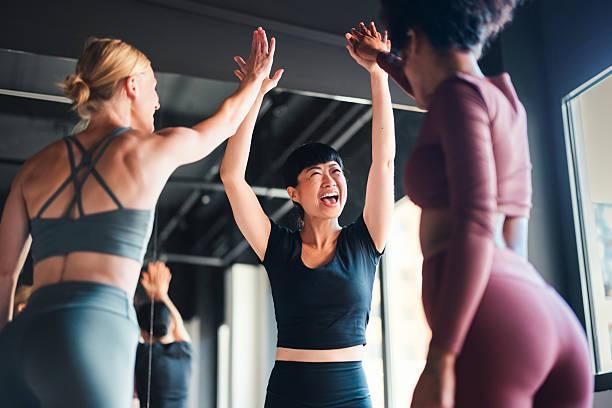
Walking into a Pilates studio for the first time can feel a little like showing up to a party where everyone else already knows each other. There's equipment you don't recognize, terminology flying around, and instructors cueing movements that sound perfectly normal to everyone except you. Totally normal feeling. The truth is, Pilates has one of the gentler learning curves of any fitness method out there, and most beginners feel far more comfortable after just a class or two. If you're somewhere in the Chicago area and thinking about trying Pilates fitness classes in River North Chicago IL, this guide will help you walk in knowing exactly what to expect, what to bring, and what your body is about to experience.
What Pilates Actually Is (And Isn't)
Pilates was developed by Joseph Pilates in the early 20th century, originally as a rehabilitation method. It's built around controlled movement, breath, and alignment. Not cardio. Not heavy lifting. The goal is to build strength from the inside out, focusing on the deep stabilizing muscles that most gym workouts completely ignore.
A lot of people confuse it with yoga. They're related in spirit but pretty different in practice. Yoga leans into flexibility, mindfulness, and often a spiritual framework. Pilates is more mechanical in the best way possible. You're thinking about which muscle is firing, whether your pelvis is neutral, and whether you're breathing into your ribcage or your belly. It's precise. That precision is actually what makes it so effective for people dealing with back pain, poor posture, or recovering from injury.
For more background on the history and clinical applications, the Wikipedia article on Pilates gives a solid overview of where the method came from and how it's evolved over the decades.
Mat vs. Reformer: Which One Should You Start With?
This is the question almost every beginner asks first. Mat Pilates uses your bodyweight and sometimes small props like resistance bands or foam rollers. Reformer Pilates uses a sliding carriage machine with springs for resistance. Both are legitimate. But they're not the same experience at all.
Most instructors recommend starting with mat classes. Here's why. Mat work teaches you the foundational movements and body awareness that make reformer work actually make sense later. If you jump straight onto a reformer without understanding the basics, you'll spend most of the class guessing instead of feeling what's supposed to be working.
That said, some studios offer beginner reformer sessions specifically designed for first-timers. If that's what's available near you, it's absolutely fine to start there. Just be honest with your instructor that you're new. They'll adjust.
What to Wear, Bring, and Do Before Class
Grip socks. Bring them. Most Pilates studios require them for hygiene and safety reasons, and some sell them at the front desk if you forget. Wear fitted or form-fitting clothes rather than baggy shorts or loose pants. Your instructor needs to see your alignment, and so do you when you glance at the mirror.
Don't eat a heavy meal in the two hours before class. Pilates involves a lot of core engagement and spinal flexion, and a full stomach makes that deeply unpleasant. A light snack an hour before is fine. Show up five to ten minutes early so you can introduce yourself to the instructor and mention any injuries or physical limitations. Knee issues, old shoulder problems, lower back history. Tell them upfront. A good instructor will modify movements for you without making it a big deal.
Skip the jewelry and hair that'll get in your way. You'll be lying on your back, rolling up, and moving in every direction. Keep it simple.
What Your Body Will Notice in the First Few Weeks
The first class usually leaves people surprised in two ways. First, it's harder than it looks. Second, it's hard in places they didn't expect. People who are strong at the gym often find their hip flexors, deep abdominals, and spinal extensors are genuinely weak once they have to isolate them.
By the second or third week, most beginners start noticing better posture without thinking about it. You'll catch yourself sitting taller at your desk. Your lower back might feel less stiff in the morning. Body awareness improves quickly too, which sounds abstract but means you'll start noticing when you're tensing your shoulders, holding your breath, or collapsing through your midsection during daily activities.
If you're attending Pilates Classes in River North, Chicago IL, you'll likely find that the studio environment itself helps. Smaller class sizes and attentive instructors mean you get feedback that actually sticks. Better Posture Pilates is one studio in that area that puts a strong emphasis on proper form from day one, which matters a lot when you're still learning how everything connects.
How Often Should a Beginner Go?
Two classes a week is a solid starting point. Enough to build momentum, not so much that you're too sore to benefit from the next session. Three times a week is fine if you're feeling good, but don't push it in the first month just because you're excited.
Realistic expectations matter here. You probably won't feel dramatically different after one class. After three or four, you'll start to get a feel for the method. After six to eight weeks of consistent attendance, most people notice genuine changes in how they move, how they hold themselves, and how much lower back discomfort they're carrying around. The Pilates fitness classes in River North Chicago IL that beginners typically start with are designed to build progressively, so trust the structure and don't rush to advanced work before you're ready.
Pilates Classes in River North, Chicago IL tend to run in session blocks, so it's worth committing to at least a four to six week stretch rather than dropping in randomly. Consistency is what gets results. A handful of sporadic classes won't do much.
Frequently Asked Questions
Do I need to be flexible to start Pilates?
Not at all. Flexibility develops over time through the practice itself. Plenty of people start Pilates feeling stiff as a board and make real progress within a few weeks. Your instructor will work with your current range of motion, not some ideal version of it.
Is Pilates good for back pain?
For a lot of people, yes. Pilates builds the deep core and spinal stabilizer muscles that often contribute to chronic back pain when they're weak. That said, if you have a specific injury or medical condition, check with your doctor before starting any new physical activity.
Can I do Pilates if I'm overweight or out of shape?
Absolutely. Pilates is low-impact and adaptable. Good instructors modify exercises based on where you're starting, not where they wish you were. The method works for a wide range of body types and fitness levels.
How long before I see real results?
Most beginners notice small changes, like better posture and less tension, within two to three weeks. More visible physical changes, including strength and body composition, usually take two to three months of regular attendance. It's a slow build, but it tends to stick.
What if I can't keep up in class?
That's what beginner classes are for. You're not expected to nail everything on day one. Rest when you need to, ask questions, and let the instructor know if something doesn't feel right. Nobody in a good Pilates class is judging your pace. They were all new once too.
The hardest part of starting Pilates is usually just showing up the first time. After that, most people wonder why they waited so long.
 English
Join our community to interact with posts!