
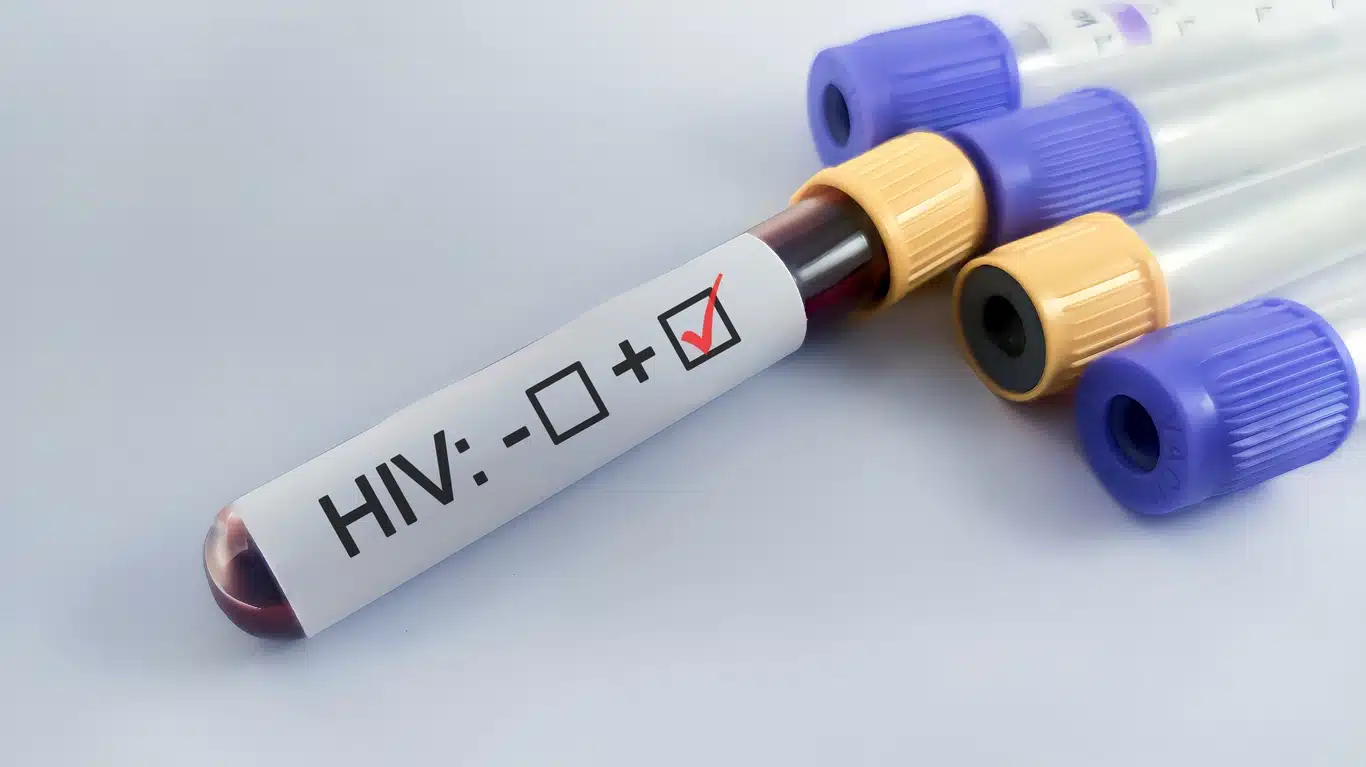
An HIV blood test is one of the most reliable ways to detect Human Immunodeficiency Virus (HIV), even before serious health complications develop. Although many people associate HIV testing with obvious illness, the reality is that HIV often causes few or no symptoms during its early stages. As a result, many individuals remain unaware of their HIV status until routine HIV Blood Test in Dubai or laboratory testing identifies the infection.
Recognizing the situations and health changes that may indicate the need for an HIV blood test is an important part of preventive healthcare. While symptoms alone cannot confirm HIV infection, certain warning signs, recent exposures, and ongoing risk factors should prompt a discussion with a healthcare provider. Early diagnosis allows timely treatment with antiretroviral therapy (ART), helping protect the immune system and improve long-term health outcomes.
This guide explains the common signs that may indicate you should consider an HIV blood test, why symptoms are not always reliable, and how regular screening supports early detection.
Why Symptoms Alone Are Not Enough?
One of the biggest misconceptions about HIV is that infection always produces noticeable symptoms. In reality, many people experience no symptoms for months or even years after exposure.
During this time, HIV gradually attacks CD4 cells, weakening the immune system while remaining undetected without laboratory testing. This silent progression makes an HIV blood test the most dependable method for determining HIV status.
Rather than waiting for illness to develop, healthcare professionals recommend HIV screening based on medical history, possible exposure, and individual risk factors.
Flu-Like Symptoms After Possible Exposure:
Some people develop short-term flu-like symptoms within a few weeks of HIV infection. This stage is known as acute HIV infection.
Possible symptoms may include:
-
Fever
-
Fatigue
-
Sore throat
-
Muscle aches
-
Swollen lymph nodes
-
Headache
-
Skin rash
These symptoms resemble many common viral illnesses, making it impossible to diagnose HIV based on symptoms alone.
If flu-like symptoms occur after a possible HIV exposure, an HIV blood test should be discussed with a healthcare provider to determine the most appropriate testing schedule.
Unexplained Swollen Lymph Nodes:
Lymph nodes play an essential role in the immune system. Persistent swelling in the neck, underarms, or groin can occur as the body responds to various infections, including HIV.
While swollen lymph nodes do not automatically indicate HIV infection, they should not be ignored if they occur alongside other symptoms or follow a potential exposure.
A healthcare provider can evaluate the cause and determine whether HIV testing is appropriate.
Ongoing Fatigue Without a Clear Cause:
Everyone feels tired occasionally, but persistent fatigue that does not improve with rest may indicate an underlying medical condition.
During HIV infection, the immune system works continuously to respond to the virus, which can contribute to prolonged tiredness.
Because fatigue has many possible causes, laboratory testing is necessary to identify or rule out HIV as part of a broader medical evaluation.
Unexplained Weight Loss:
Unexpected weight loss without changes in diet or physical activity should always be evaluated by a healthcare professional.
Although weight loss is associated with many medical conditions, it may occur in individuals with untreated HIV, particularly if the infection has progressed.
An HIV blood test can help determine whether HIV is contributing to these symptoms while allowing healthcare providers to investigate other possible causes.
Frequent or Recurring Infections:
A healthy immune system normally protects the body against everyday infections.
If someone begins experiencing frequent bacterial, viral, or fungal infections, it may indicate that the immune system is not functioning normally.
Examples include:
-
Recurrent respiratory infections
-
Persistent oral thrush
-
Repeated skin infections
-
Frequent sexually transmitted infections
-
Slow recovery from common illnesses
These conditions do not confirm HIV infection but may warrant further medical evaluation, including HIV screening when appropriate.
Night Sweats and Persistent Fever:
Night sweats that occur repeatedly without an obvious explanation can sometimes accompany HIV infection or other medical conditions.
Similarly, persistent low-grade fever may indicate that the immune system is responding to an underlying illness.
If these symptoms continue for an extended period or occur alongside other warning signs, a healthcare provider may recommend laboratory testing, including an HIV blood test.
Persistent Skin Changes:
Some individuals develop skin changes during the early or later stages of HIV infection.
These may include:
-
Unexplained rashes
-
Persistent itching
-
Slow-healing skin lesions
-
Recurrent fungal infections
Because skin conditions have numerous possible causes, they should always be evaluated by a qualified healthcare professional rather than used to self-diagnose HIV.
Recent High-Risk Exposure:
Even if no symptoms are present, certain situations increase the importance of HIV testing.
Examples include:
-
Unprotected sexual contact
-
Sharing needles or injection equipment
-
Occupational exposure to blood
-
Sexual contact with a partner whose HIV status is unknown
-
Diagnosis of another sexually transmitted infection (STI)
Healthcare providers determine the most appropriate testing timeline based on the date of exposure and the type of HIV blood test being used.
Understanding the Window Period:
One reason symptoms cannot replace laboratory testing is the window period.
The window period is the time between HIV exposure and when a test can accurately detect infection.
Different HIV blood tests detect different biological markers:
-
Antibody tests identify antibodies produced by the immune system.
-
Fourth-generation tests detect both antibodies and the p24 antigen.
-
Nucleic acid tests identify HIV RNA directly.
Testing too early may result in a negative result even if infection is present. Your healthcare provider may recommend repeat testing depending on the timing of exposure.
What Happens During an HIV Blood Test?
If you decide to get tested, the process is usually simple and straightforward.
A healthcare professional will review your medical history, discuss any possible exposures or symptoms, and answer your questions.
Next, a small blood sample is collected from a vein using sterile equipment.
The sample is sent to a certified laboratory, where advanced diagnostic technology checks for HIV-related markers. Once the analysis is complete, your healthcare provider explains the results and advises on any necessary follow-up care.
When Routine HIV Screening Is Recommended?
Symptoms are not the only reason to consider an HIV blood test.
Healthcare professionals often recommend routine screening for:
-
Sexually active adults
-
Individuals with new or multiple partners
-
People diagnosed with another STI
-
Pregnant individuals
-
People who inject drugs
-
Anyone who has never been tested for HIV
Routine screening helps identify infection early, even when no symptoms are present.
What Happens If the Test Is Positive?
A positive screening result is followed by confirmatory laboratory testing before an HIV diagnosis is made.
If confirmed, your healthcare provider will typically recommend:
-
Viral load testing
-
CD4 cell count assessment
-
Antiretroviral therapy
-
Ongoing medical monitoring
-
Counseling and education about long-term HIV management
With modern treatment, many people living with HIV achieve viral suppression and enjoy long, healthy lives.
Protecting Yourself Through Prevention:
While HIV blood testing is essential for diagnosis, prevention remains equally important.
Healthy practices include:
-
Using barrier protection during sexual activity
-
Avoiding shared needles
-
Discussing HIV prevention options such as PrEP with your healthcare provider when appropriate
-
Scheduling regular HIV screening based on your personal risk factors
-
Seeking prompt medical advice after possible exposure
Combining prevention with routine testing offers the best protection for both individual and public health.
Frequently Asked Questions:
Can symptoms alone confirm HIV infection?
No. Many illnesses cause similar symptoms. Only an HIV blood test can accurately determine HIV status.
Should I get tested even if I feel healthy?
Yes. HIV often causes no symptoms during its early stages, making routine screening an important part of preventive healthcare.
Do I need to prepare before the test?
Most HIV blood tests require no fasting or special preparation.
Are modern HIV blood tests accurate?
Yes. When performed after the appropriate window period, modern laboratory HIV blood tests are highly accurate.
Are HIV test results confidential?
Yes. Healthcare providers follow strict medical privacy standards to protect all patient information.
Conclusion:
An HIV blood Lab tests is the most reliable way to determine your HIV status, particularly because many people experience few or no symptoms during the early stages of infection. While signs such as persistent fever, swollen lymph nodes, unexplained fatigue, recurring infections, or weight loss may prompt further medical evaluation, they are not enough to diagnose HIV on their own.
Regular HIV screening, especially after possible exposure or when ongoing risk factors are present, supports early detection and timely treatment. Modern laboratory testing offers excellent accuracy, and advances in antiretroviral therapy have made it possible for people diagnosed early to live long and healthy lives.
If you notice persistent symptoms, have concerns about a recent exposure, or simply want to make preventive healthcare a priority, speaking with a qualified healthcare provider about an HIV blood test is a responsible and proactive step toward protecting your long-term health.
 English
Join our community to interact with posts!